

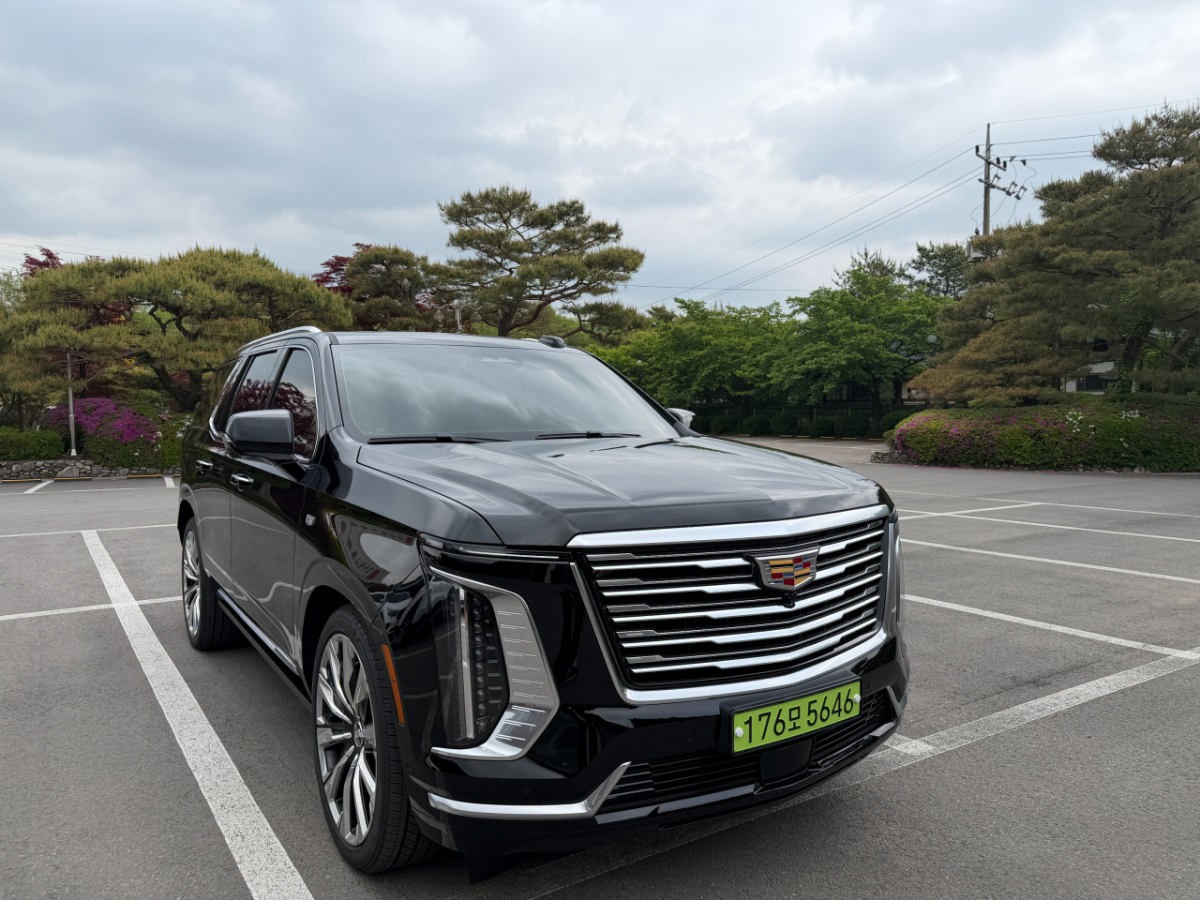
As I completely removed both hands from the steering wheel, the massive vehicle moved along the center of its lane. It did more than just adjust the distance to the car ahead; it monitored surrounding traffic conditions and changed lanes on its own. All the driver had to do was look straight ahead. That moment marked my experience with 'Super Cruise,' the newly installed hands-free driving assistance system in Cadillac's '2026 New Escalade.'
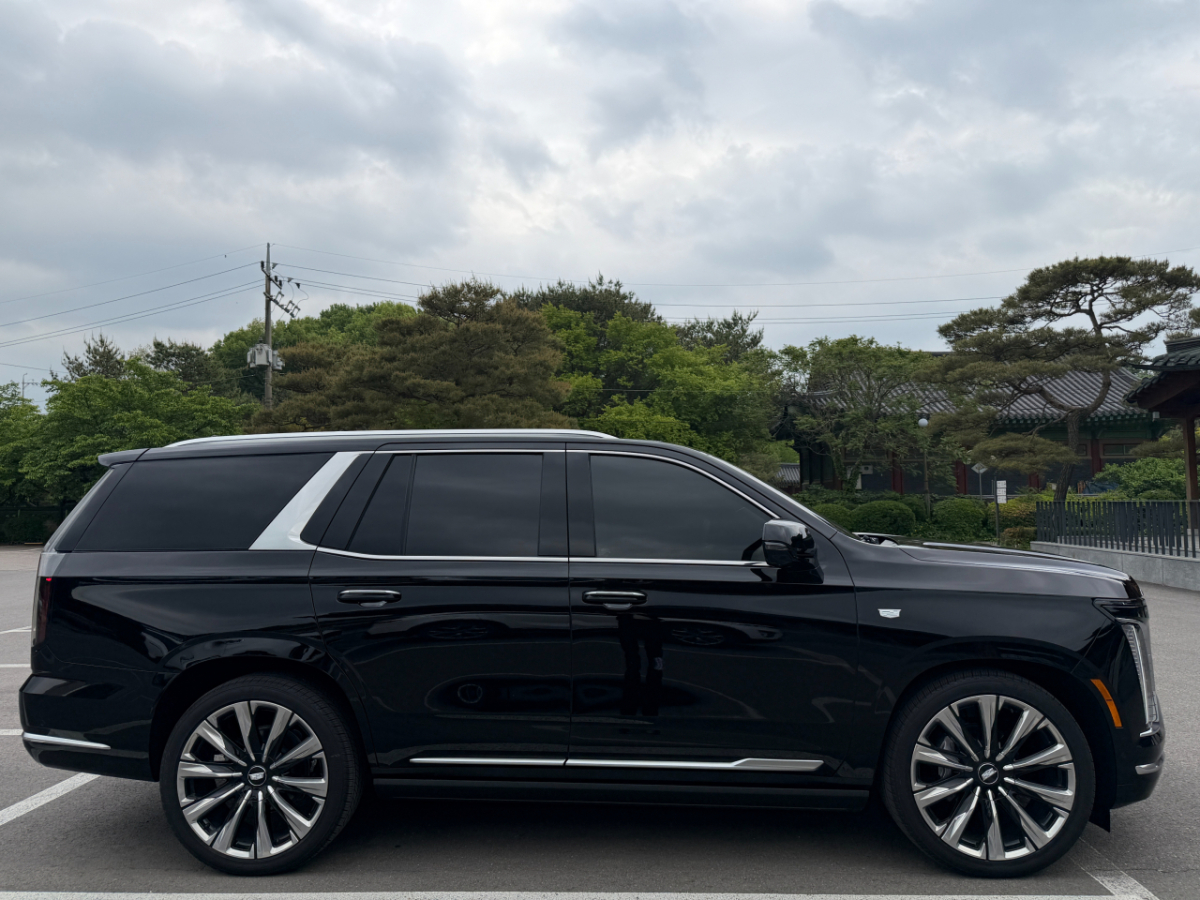
In fact, I recently drove a round trip of 94 kilometers from Seoul Drop-top at Yeouido to Ban-gujeong Ferry Terminal in Paju-si, Gyeonggi-do, in the 2026 New Escalade Standard model. Although it was not the extended-wheelbase ESV version but the standard model, the Escalade's signature large body and high driving position alone provided ample presence. The vertical LED (light-emitting diode) lamps on the front and rear, the illuminated Cadillac emblem, and the 24th-inch wheels immediately caught attention on the road.
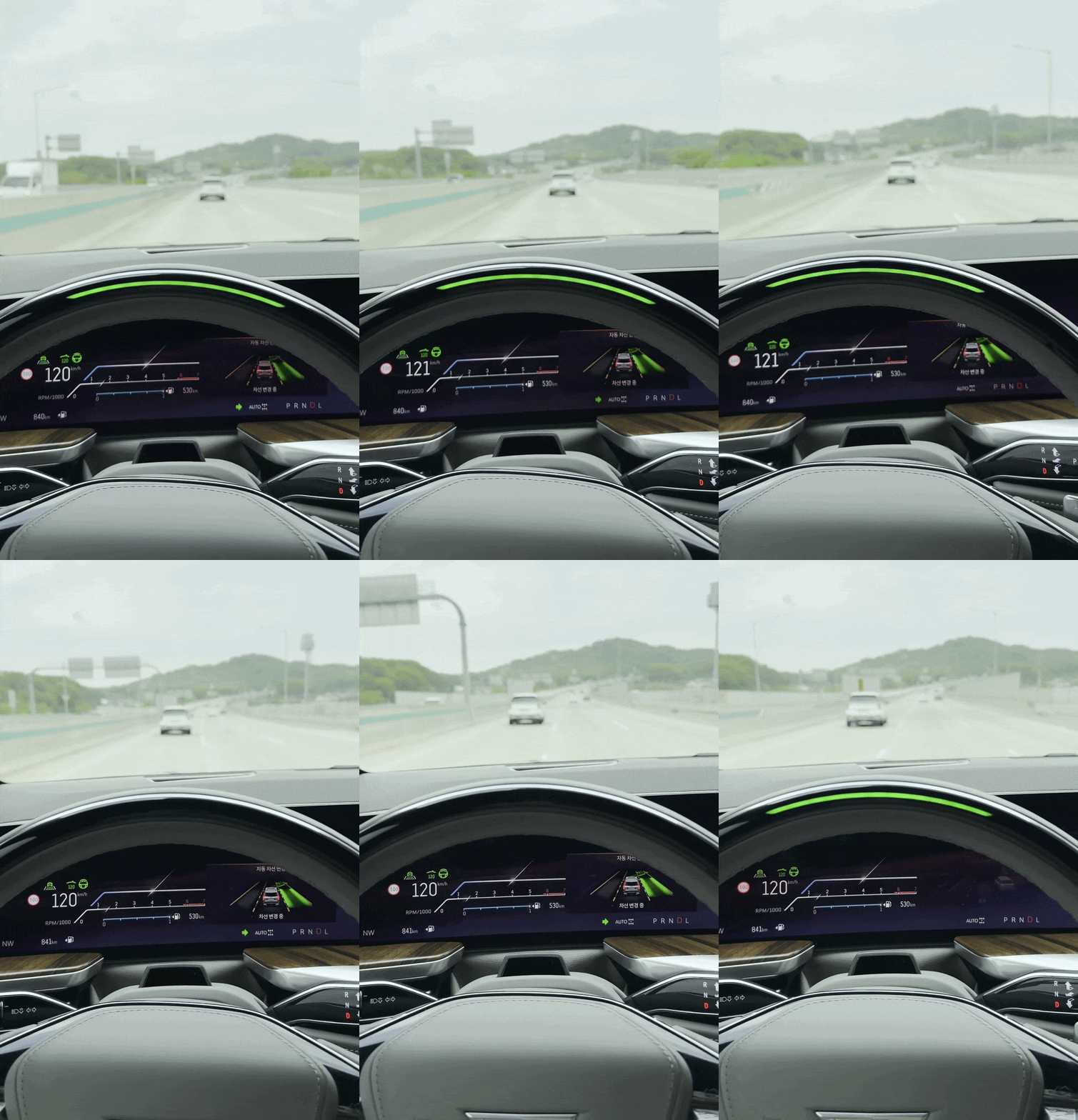
The core of this test drive was undoubtedly Super Cruise. Upon entering a supported section and activating the feature, the vehicle maintained its lane without requiring the driver to hold the steering wheel, repeatedly accelerating and decelerating in sync with the speed of the car ahead. Super Cruise utilizes high-precision road data along with cameras, radar, and GPS to support hands-free driving on approximately 23,000 kilometers of highways across South Korea. In fact, the function was usable on most sections of the highway during our round trip.
The automatic lane-change feature was more proactive than expected. When it became necessary to overtake a vehicle ahead, the car checked surrounding traffic and naturally moved into the adjacent lane. While traveling in the first lane, I also observed the vehicle automatically shifting to the second lane when a car behind closed the gap. The vehicle adjusted its movement according to traffic flow without requiring the driver to operate turn signals or turn the steering wheel, significantly reducing fatigue during long-distance driving.
However, Super Cruise is not an autonomous driving function that allows the driver to completely disengage from driving. Because the driver monitoring system continuously checks the driver's gaze, tilting the head or failing to look straight ahead triggers seat vibrations and warning messages. This means there is no freedom to check a smartphone or handle other tasks. Instead, since hands do not need to be on the steering wheel, I was able to enjoy enough leisure to eat snacks from a rest stop while driving. It is a safety-focused system that allows free use of hands but requires the driver's eyes and responsibility to remain on the road.
The power to move the massive body was also more than sufficient. The 6.2-liter V8 gasoline engine delivers a maximum output of 426 horsepower and peak torque of 63.6 kg·m, working in tandem with a 10-speed automatic transmission. Stepping on the accelerator pedal caused the heavy vehicle to increase speed without hesitation. Magnetic Ride Control 4.0 and Adaptive Air Ride Suspension filtered out road irregularities and shocks. Although equipped with 24-inch wheels, the body settled heavily at highway speeds, demonstrating stable ride comfort.
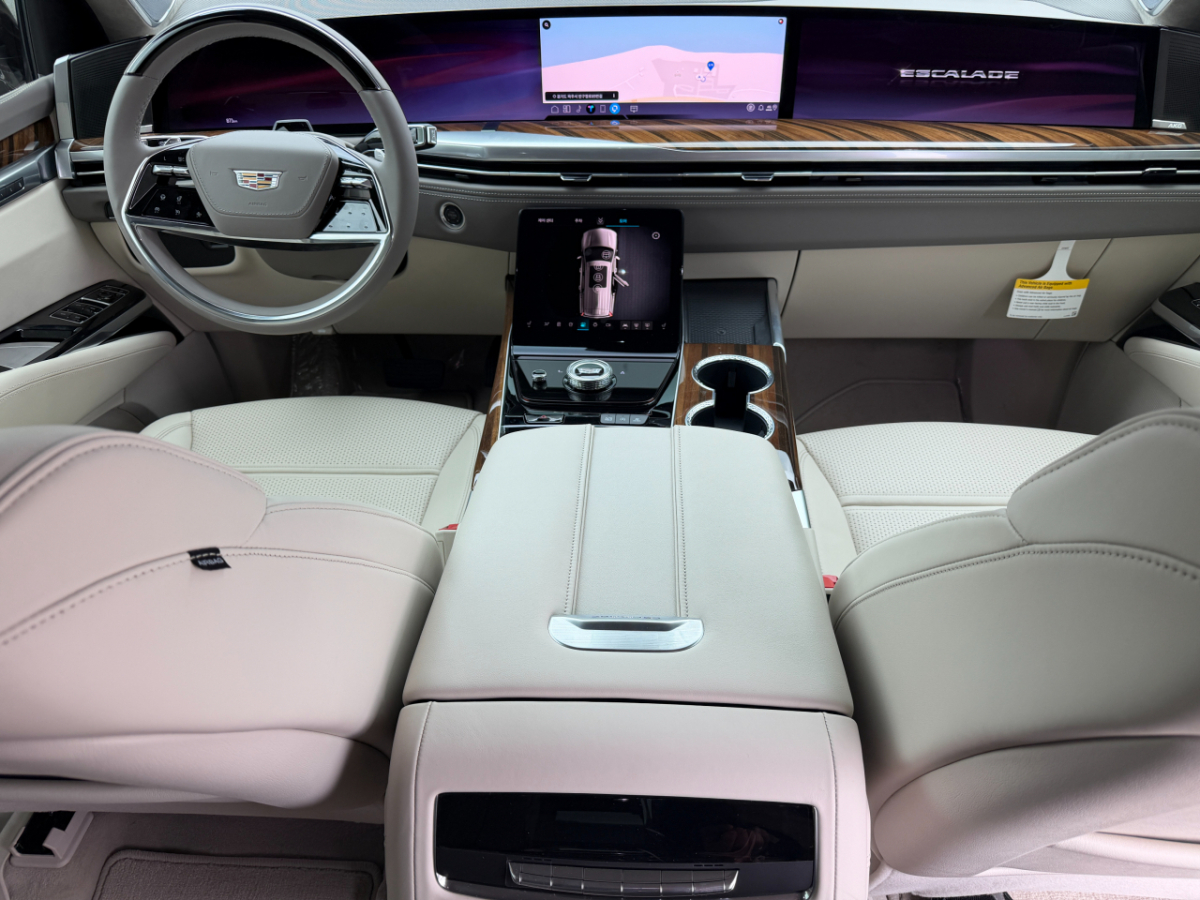
Inside, the 55th-inch horizon curved LED display spanning the entire dashboard immediately caught the eye. The newly applied TMAP Connected service displayed real-time traffic information and routes without requiring a smartphone connection. The map also indicated sections where Super Cruise could be used along with estimated usage times. Calling "Aria" or "Tinkerbell" allowed voice commands to set destinations, play music, and operate climate controls through the Who Auto system, reducing the need to touch the screen while driving.
The price of the 2026 New Escalade Standard model is 168.07 million won based on a 3.5% individual consumption tax. While it remains a large and expensive vehicle, the addition of Super Cruise has made the meaning of 'leisure' that Escalade offers even clearer. Beyond spacious interiors and smooth ride comfort, it also relieves hand fatigue during long-distance driving. However, being able to take hands off the steering wheel does not mean eyes can be taken off the road.

 in INDUSTRY


