

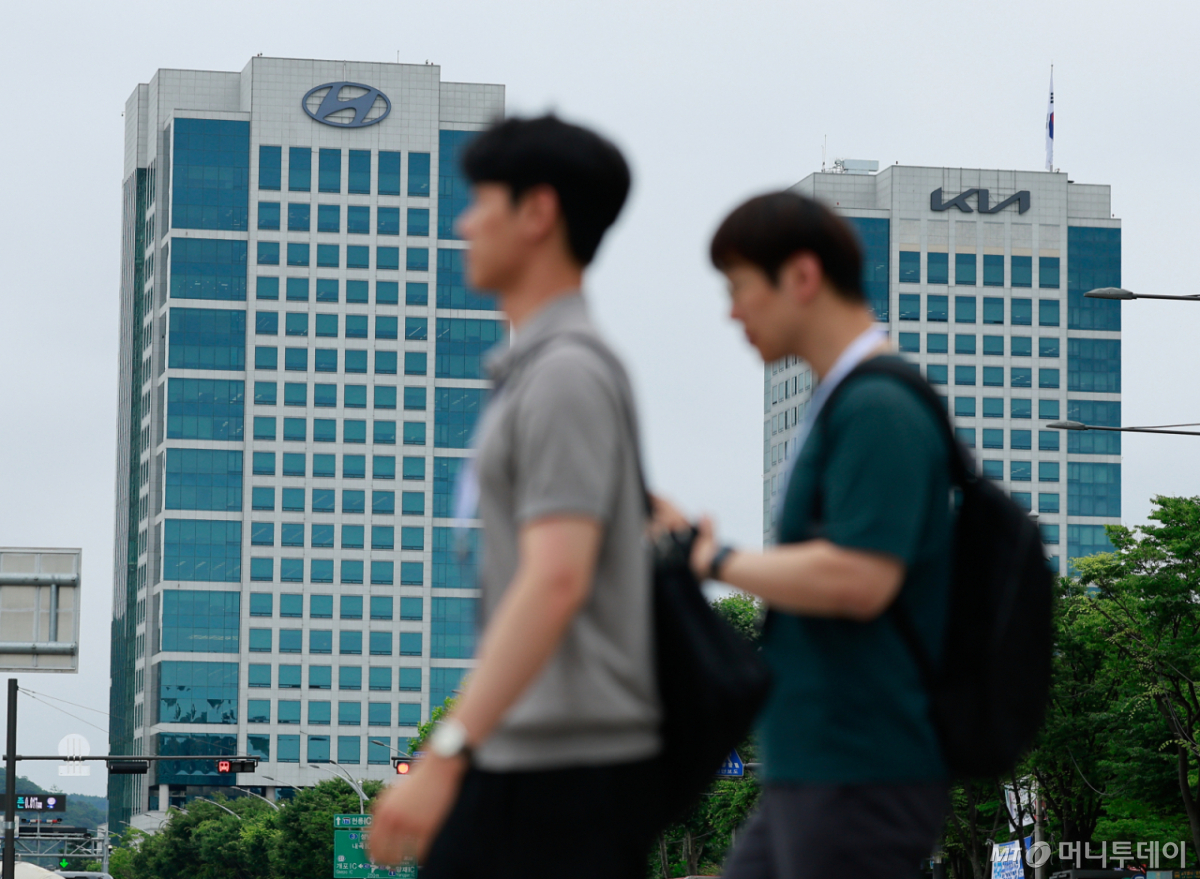
Kia's labor and management will resume collective bargaining on the 25th. This comes as the union prepares for a partial strike starting on the 26th, with both sides attempting to reach a last-minute settlement. With 'the elder' Hyundai Motor also resuming negotiations, attention is focused on whether the two companies can find common ground this week.
According to industry sources on the 24th, Kia management requested the union to resume bargaining at 2 p.m. on the 25th. Accordingly, labor and management have agreed to hold their 12th round of main negotiations on the 25th.
Previously, after failing to narrow differences with management over wage improvements and other working conditions, Kia's union launched a partial strike on the 21st. The union has announced sequential strikes: four hours per shift on the 26th, two hours on the 27th, and four hours on the 28th. All overtime work will be suspended, along with factory and regional shipments, except for safety-related and new vehicle construction projects. However, normal operations will continue on days when negotiations are scheduled, meaning the strike schedule could change depending on the outcome of the 25th negotiations.
The union is demanding a base wage increase of 149,600 won, payment of performance-based bonuses equivalent to 30% of last year's operating profit, implementation of a four-and-a-half-day workweek, and extension of the retirement age to 65.
Hyundai Motor's labor and management will continue their collective bargaining on this day. Earlier, Hyundai Motor's union had agreed to hold its 17th round of main negotiations at 2 p.m., thereby suspending the four-hour partial strike scheduled for today.
Following 14 rounds of partial strikes from last month's 13th through this month's 20th, Hyundai Motor's union launched an eight-hour full-scale strike on the 21st. This marks the first time since the 2016 collective bargaining that the union has halted production lines across all domestic factories for a day.
Cumulative strike time this year stands at 60 hours, with production line disruptions totaling 120 hours. Industry estimates suggest cumulative production losses amount to approximately 55,000 vehicles and revenue losses exceeding 2.3 trillion won. Disagreements between labor and management extend beyond wage increases to three major issues: reinstatement of dismissed workers, extension of the retirement age, and increases in bonuses.
Industry observers view this week, when both Hyundai Motor and Kia return to the bargaining table, as a watershed moment that will determine the direction of their collective agreements.

 in INDUSTRY
