

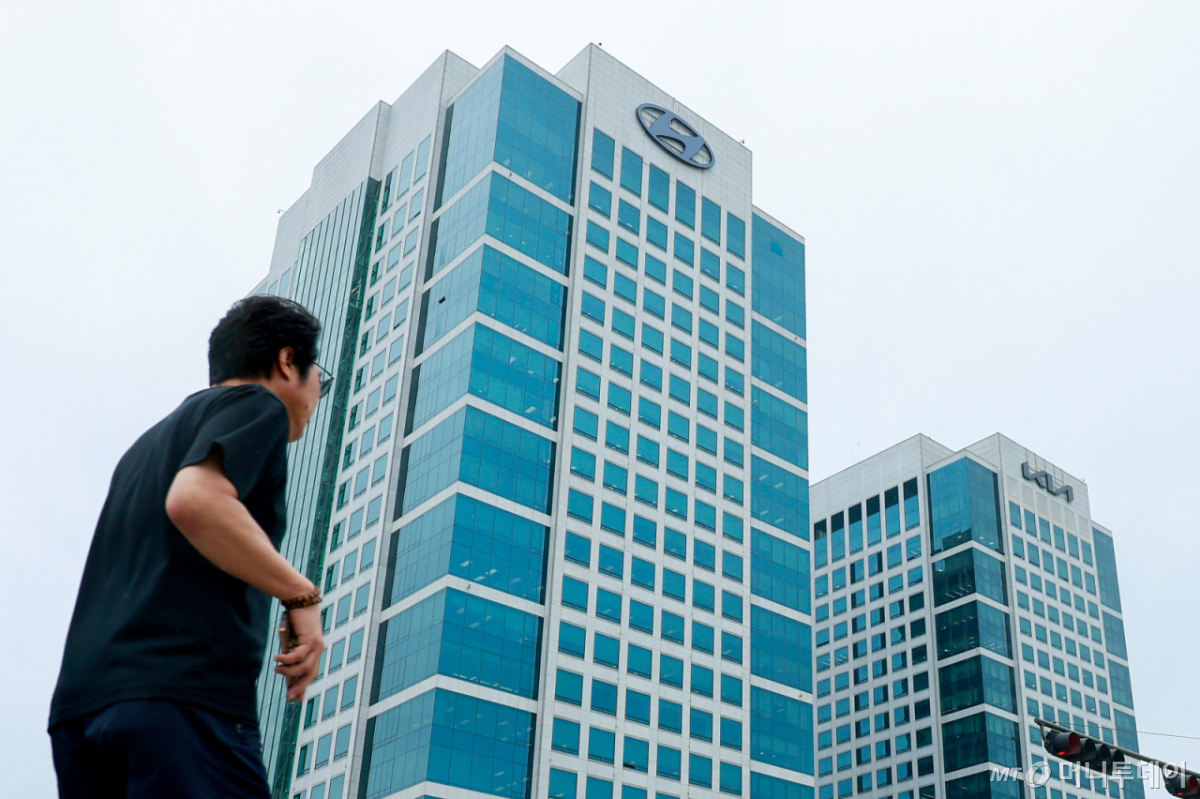
Major domestic groups excluding Samsung, including SK, Hyundai Motor, LG, and Hanwha, abolished regular campus recruitment around 2020 and introduced off-cycle hiring. This shift was made to improve management efficiency by adopting a method of "hiring the best talent when needed," considering the highly uncertain domestic and external business environment. The business community emphasized that this hiring model has already become common in major countries worldwide, and as securing core talent becomes increasingly difficult, each group's off-cycle hiring approach is gradually evolving.
Hyundai Motor Group was the first among Korea's top 10 groups to abolish regular large-scale campus recruitment in February 2019. It shifted from "regular public recruitment," where headquarters' HR department managed hiring of new college graduates, to "continuous public recruitment," a job-centered approach where each business unit directly selects the talent it needs. This decision was based on the judgment that the existing method, which hired at fixed times twice a year (once in the first half and once in the second half), made it difficult to secure "integrated talents" suitable for future industrial environments at the right time.
This change soon spread to other groups. SK Group began transforming its approach by gradually expanding off-cycle hiring starting in 2019, ultimately abolishing regular campus recruitment entirely in 2022. Furthermore, recognizing that each subsidiary's situation and characteristics must be considered as much as possible, it introduced an autonomous hiring system at the subsidiary level rather than a group-wide unified approach.
LG Group also eliminated its second-half regular campus recruitment in 2020, explicitly stating it did so "to respond agilely to changes in the business environment and technology." At the time, it attracted attention by announcing that more than 70% of new hires would be selected through internship programs linked to employment, aiming to prevent applicants from accumulating unnecessary credentials. Hanwha Group changed its group-wide recruitment to off-cycle hiring in 2020, allowing each subsidiary to conduct hiring autonomously according to business characteristics, manpower demand, and operational plans.
While some groups besides Samsung, such as POSCO, still maintain regular campus recruitment, the general trend is shifting toward off-cycle hiring. This is based on the judgment that off-cycle hiring is more advantageous for flexibly responding to changes in domestic and international business environments, reducing unnecessary costs, and placing core talent where they are most needed.
A representative of an economic organization stated, "Except for Korea and Japan, it is common for major countries worldwide like the United States to secure personnel through off-cycle hiring rather than regular campus recruitment." They further explained, "Unless there is a special purpose such as Samsung's practice of 'contributing to the nation through business' (사업보국), maintaining regular campus recruitment from a management efficiency perspective is by no means an easy task for companies."
The business community particularly highlighted that off-cycle hiring among major groups is gradually changing and developing in various forms. Representative examples include operating continuous "talent pools" to save costs and time required for hiring while securing verified personnel, and conducting off-cycle recruitment at similar times each year to increase predictability for applicants.
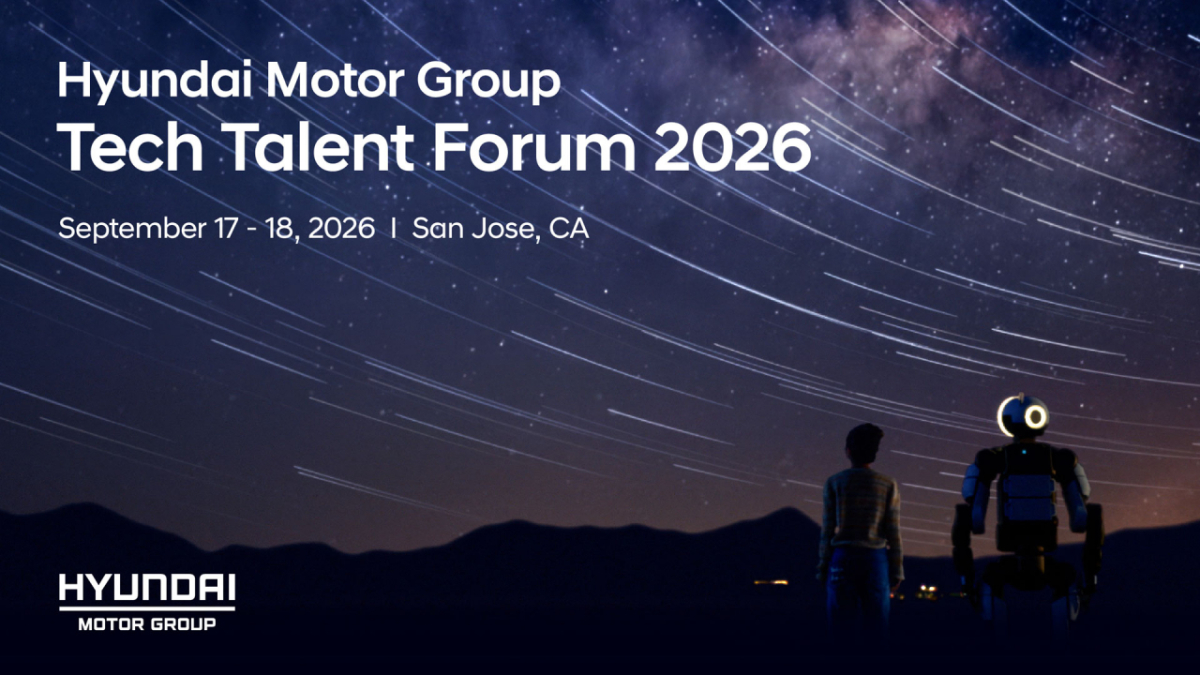
Furthermore, there is a growing trend of management teams visiting local schools regularly or holding forums and conferences to secure global talent. In fact, Hyundai Motor Group will implement an integrated recruitment program called "HMG Global Tech Talent Recruitment" in connection with the "HMG Tech Talent Forum" to be held on the 17th–18 (local time) in Silicon Valley, USA. Recently, LG Electronics held a foreign talent invitation event called "North America Tech Conference" in San Francisco, USA.

 in INDUSTRY

