

"For me, it was important to find ways to make this data center the best possible opportunity for our region and how it could be beneficial."
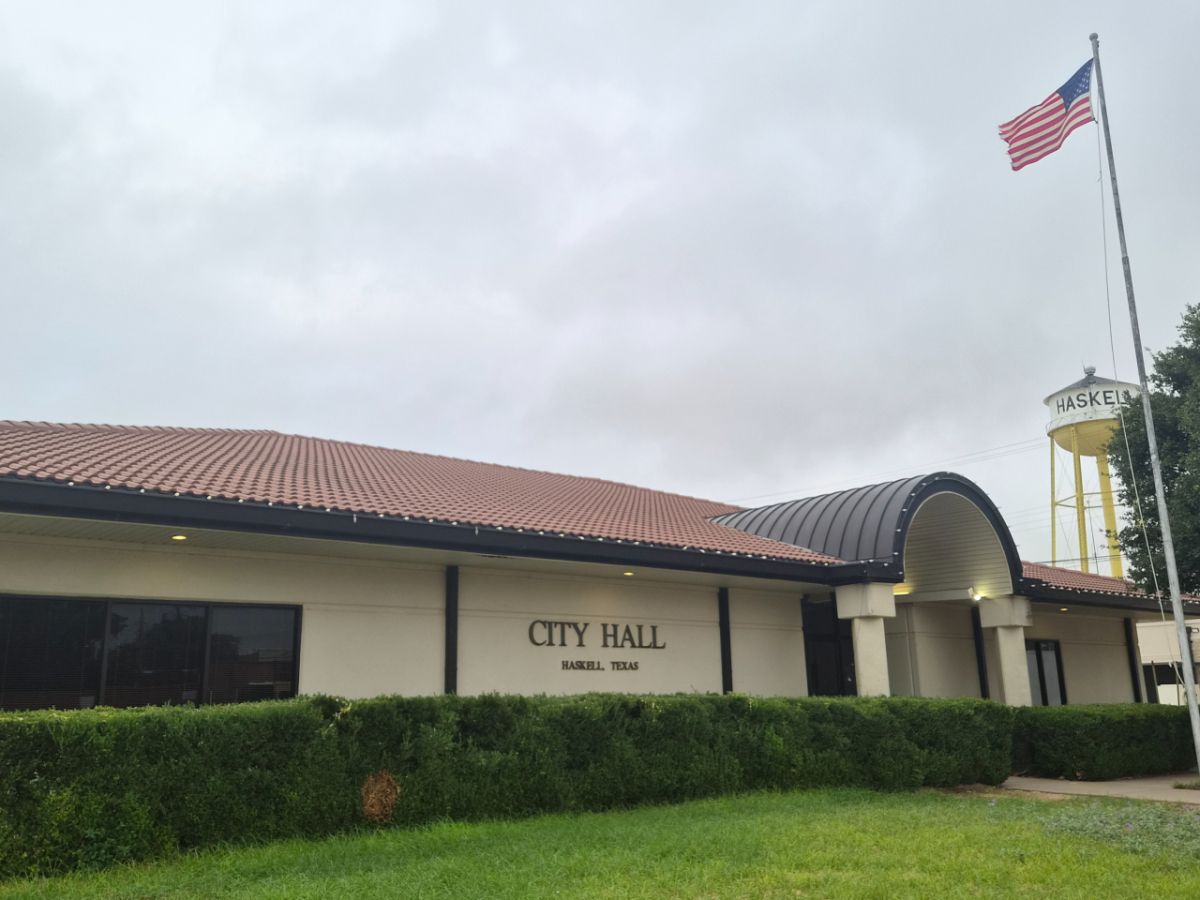
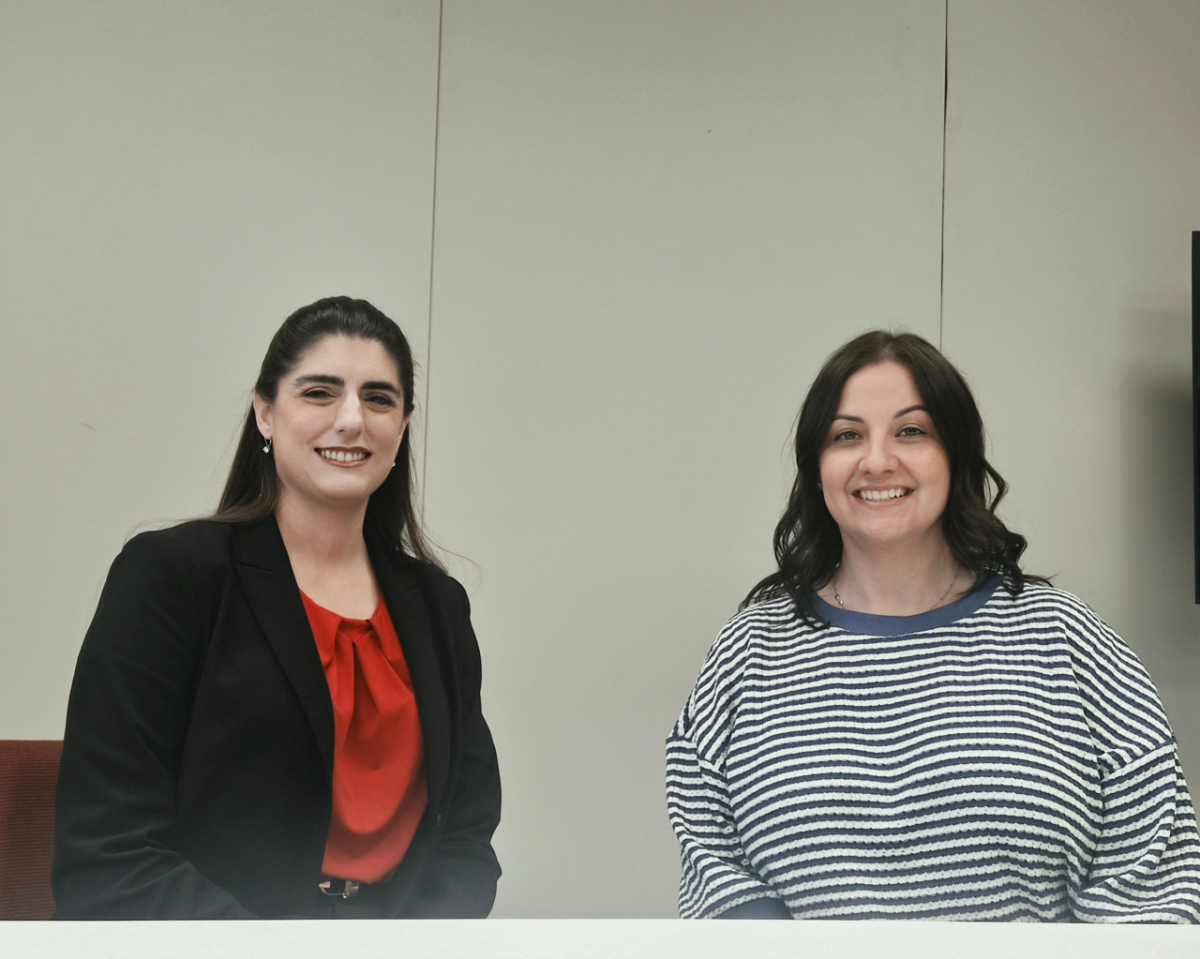
Cristina Isbell, Mayor of Haskell, Texas, described her feelings about the data center construction that began in her region in these words during an interview at Haskell City Hall on the 2nd (local time).
Across the United States, data centers have become the center of political controversy due to concerns over rising electricity bills from power consumption and water resource depletion. However, Mayor Isbell placed emphasis on resolving conflicts and turning data centers into an opportunity that provides substantial benefits to the local economy.
She has lived in Haskell since moving there at the age of 10. After serving as a city council member, she was elected mayor and began her second term in May last year. The mayor of Haskell is not a full-time official but holds a volunteer position. Mayor Isbell serves as mayor while maintaining her livelihood as a resident.
A persistent concern during her involvement in city administration has been the funding needed to maintain basic infrastructure such as roads and water supply systems. Major sources of revenue are taxes paid by residents and sales tax generated by local businesses, but attracting new businesses has not been easy. She said, "I always thought about how to get companies to come to Haskell."
Then she learned that Google's data center was coming to the area. She became aware of the specific scale of the project when direct conversations with Google began last year. Changes appeared from the construction phase. According to Mayor Isbell, as data center construction started, various industries such as construction companies and electrical supply vendors entered the region. Some local residents found new jobs with hourly wages more than double their previous earnings. The city's sales tax revenue this year also increased by more than double compared to the previous year.
The return of people to a declining commercial district is a welcome change. The downtown square, which was bustling with residents during Mayor Isbell's childhood, had seen an increase in vacant stores and a decrease in foot traffic for a period. She emphasized, "Now cars from people shopping or going to restaurants line up around the square," adding, "It is really good to see people."
The survival of the local hospital was also a reason she accepted development as an opportunity. Mayor Isbell introduced, "Rural hospitals are truly difficult to maintain, but this data center development changed the situation." According to Google's community contribution investment materials, the support allocated to the Haskell Memorial Hospital Foundation is 1 million dollars.
However, it is not easy for the infrastructure of a small city centered on agriculture to keep up with the pace of development. As construction vehicles transporting aggregate and water increased, some residents expressed concerns about safety issues from speeding large trucks and road damage. Rising housing rental prices are no different.
She said she communicates almost daily with Google representatives to convey the changes the region is experiencing. The topics for discussion vary from traffic problems to children's science events. She answers residents' questions via Facebook, phone calls, and in-person conversations. Some residents also come directly to her workplace to raise complaints.
The principle emphasized by Mayor Isbell is information disclosure and dialogue. Mayor Isbell stated, "There are things that cannot be solved, but if there is a possibility of finding a solution, we must make an effort," adding, "The most important thing is that we must talk even if our opinions differ." Having actually experienced playing a bridging role between data center operators and residents, she was deeply engaged in seeking solutions that are "beneficial to the region." The words "dialogue" and "finding solutions" appeared multiple times from her.
She believes it is necessary for discussions with the community to take place before development. She expressed confidence, saying, "If there were an obligation for operators to talk in advance with communities that may be affected and discuss what kind of support would be helpful, the difficulties experienced by especially small communities could be reduced."
Mayor Isbell thinks it is difficult to divide residents' feelings about change into simple pro or con categories. She said, "(Residents who have lived here for a long time) do not like the increase in cars or the changing scenery, but they say they do not want Haskell to die," adding, "There are things that are not pleasing, but I think we must understand that change is necessary to move forward."
*This planned investigation was supported by the Korea Journalists Association and Climate Media Hub.

 in INDUSTRY

