

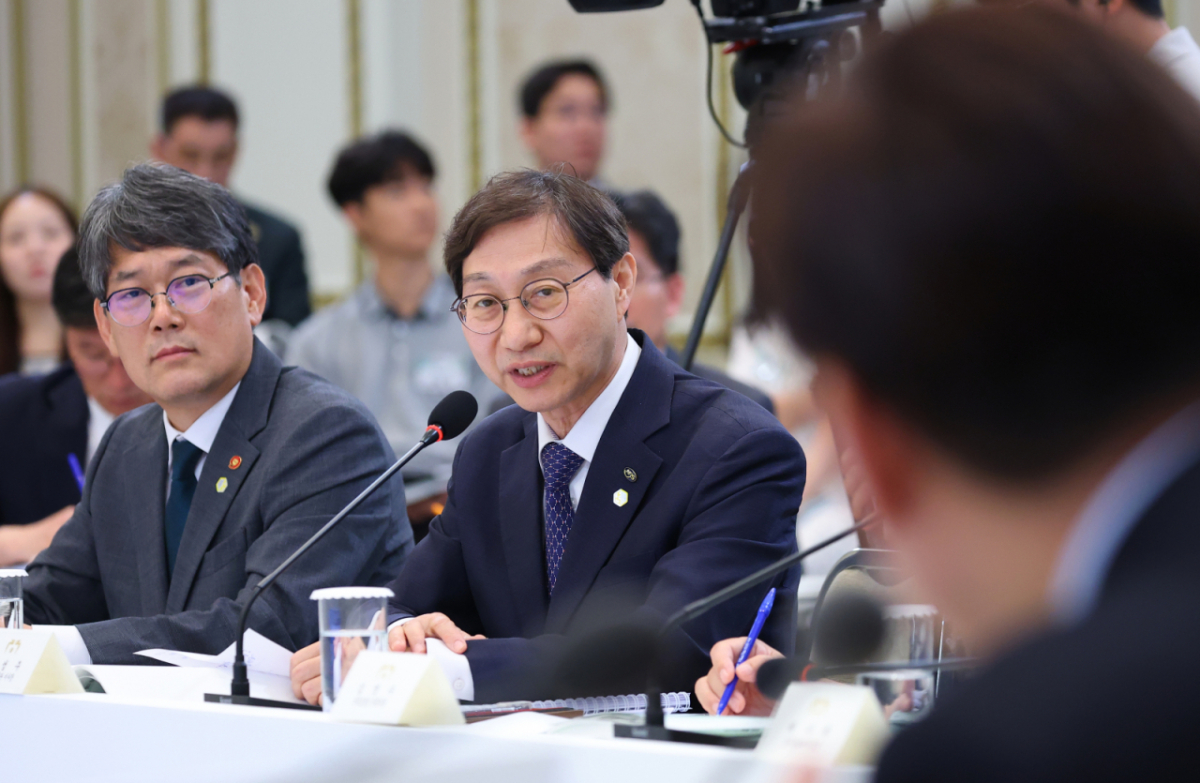
Although pension funds including the National Pension Service stepped in with net purchases during a sharp KOSPI decline, they failed to absorb the selling volume from foreign investors, making the market's conventional view of them as saviors appear unfounded. In particular, it is observed that the National Pension Service's unrealized gains on domestic stocks plummeted this month. However, since it has declared the start of rebalancing (asset reallocation) this month, it remains uncertain whether it will make large-scale purchases of domestic stocks. With the target weight for domestic stocks raised (from 14.9% to 20.8%) and the delay in domestic stock rebalancing until the end of last month, there are also concerns that the National Pension Service may not have reduced its weight at domestic stock peaks sufficiently.
Pension funds bought 630 billion won while foreign investors sold 18 trillion won

According to Korea Exchange data on the 30th, pension funds and others made net purchases totaling 637.8 billion won in the KOSPI market from July 1 until 10:13 a.m. today. Pension funds and others recorded net purchases of 191.8 billion won today, following net purchases of 338 billion won yesterday alone.
The KOSPI index (as of 10:13 a.m.) traded at 5,778.00, up 114.76 points (2.03%) from the previous trading day. However, foreign investors made net sales totaling 18.1659 trillion won throughout July, meaning that compared to the aggressive selling by foreign investors, the net purchase amount by pension funds is virtually negligible.
Transaction records for various pension funds including the National Pension Service and provident societies are reflected in figures for pension funds and others. The market regards the flow of pension funds as an indicator of the National Pension Service's moves, given that it is Korea's largest institutional investors.
The securities industry estimates that the National Pension Service's weight on domestic stocks was around 30% at the end of June. Given that the KOSPI index fell by 31.8% from the closing price at the end of June, if the value of domestic stocks also decreased by the same proportion (assuming other asset values remained stable), the weight of domestic stocks would have dropped to 22.6%. This exceeds the National Pension Service's target weight for domestic stocks set at 20.8% for 2027 according to its mid-term asset plan decided in May. In principle, even with the sharp fall in KOSPI this month, it should be in a range where it needs to sell rather than buy domestic stocks. However, the National Pension Service does not disclose its weight on domestic stocks and trading status in real time.
Measures such as raising the weight of domestic stocks followed President Lee's remarks
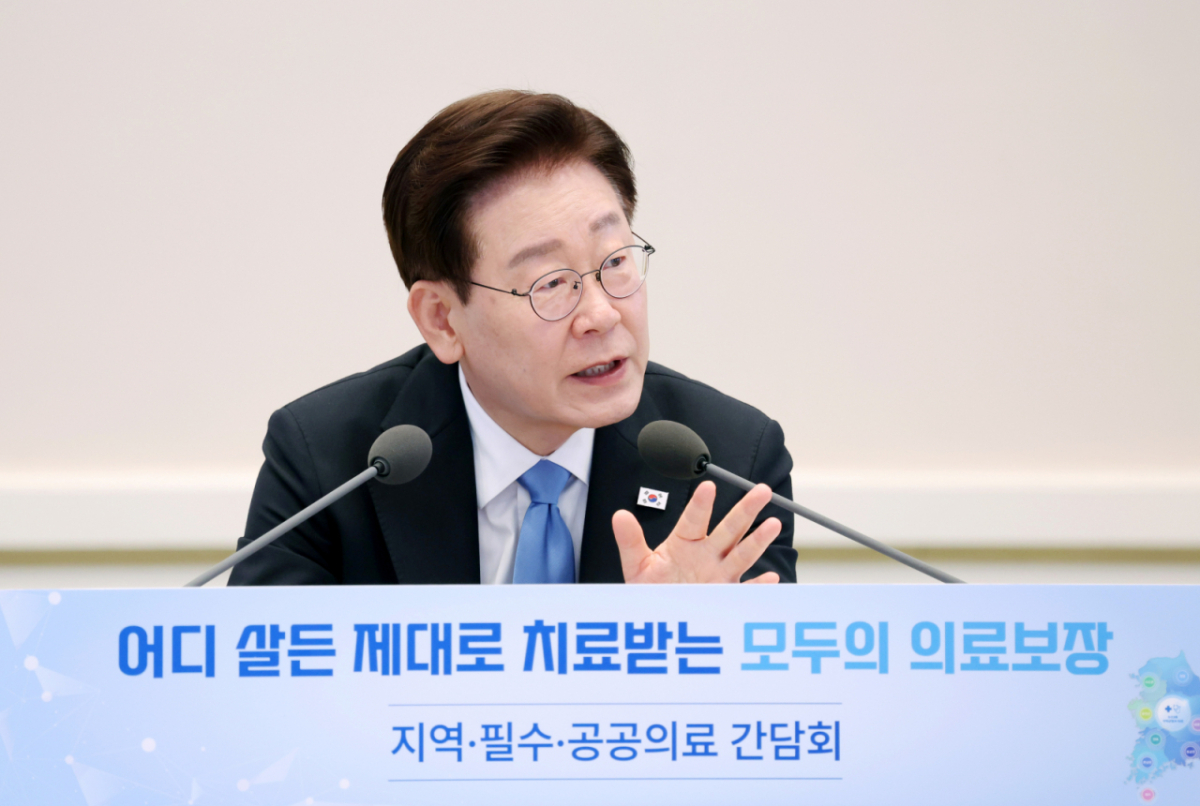
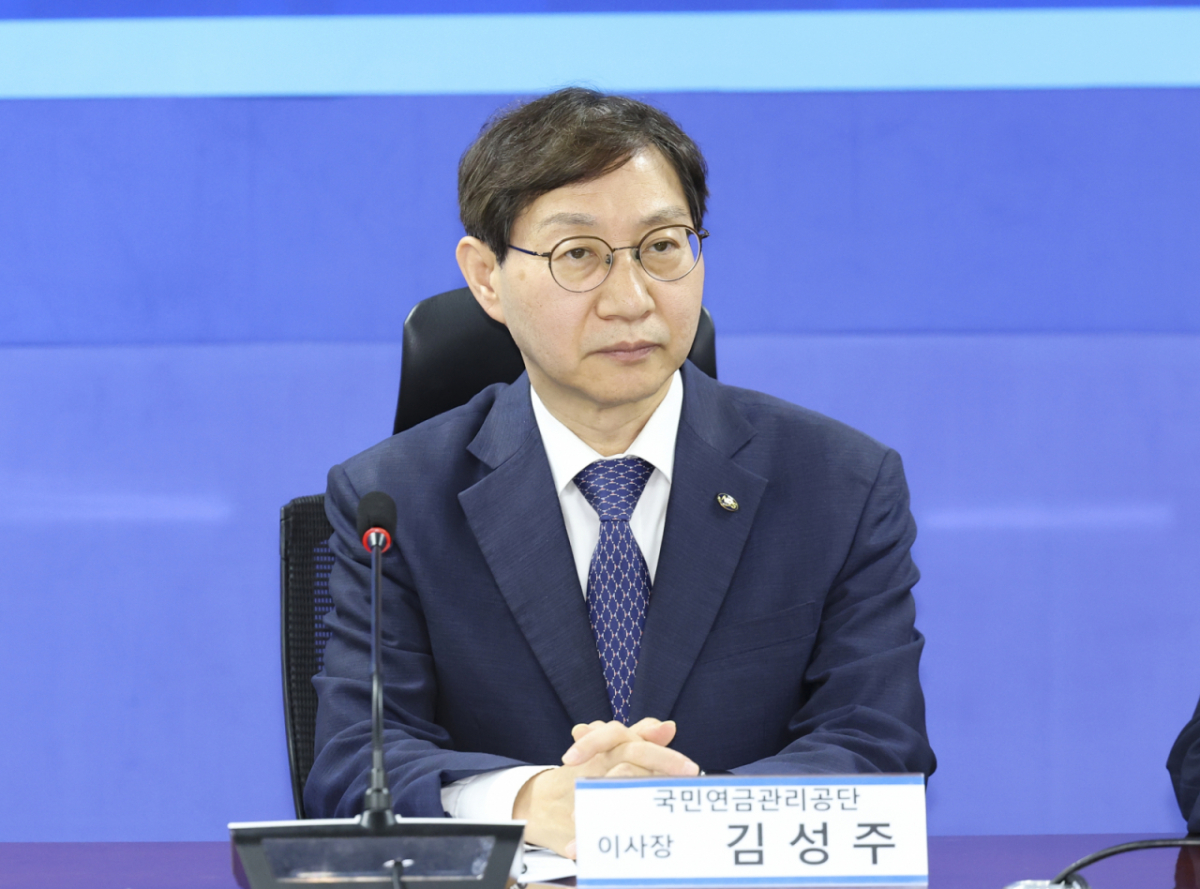
Measures by the National Pension Service regarding domestic stocks, such as raising its weight, followed President Lee Jae-myung's expression of the view that the rising stock market should be an opportunity for the National Pension Service to increase retirement funds. Earlier, on December 16 last year at a government Sejong Office building work report meeting for the Ministry of Health and Welfare, President Lee said, "As domestic stock prices rose, the National Pension Service's limit on stock holdings was exceeded; should we continue to sell?" He added, "There are voices saying that if the domestic market performs well and the National Pension Service holds more domestic stocks, it would be beneficial and ensure citizens' retirement security." In response, Kim Sung-ju, Chairman of the National Pension Service Lee (President), replied, "We plan to hold the fund management committee next year to change investment guideline standards." Following this, measures related to domestic stocks by the National Pension Service, such as raising its weight on domestic stocks, continued.
Last May, the National Pension Service announced it would raise its target weight for domestic stocks to 20.8% and increase the allowable range for strategic asset allocation (SAA) from the previous ±3 percentage points without disclosing an upper limit. Adding tactical asset allocation (TAA) of ±2 percentage points means the National Pension Service can hold at least 25.8% or more of domestic stocks in its overall portfolio.
The securities industry estimates the National Pension Service's SAA limit to be around ±6%. If both the estimated SAA limit and the existing TAA limit are fully utilized, calculations show that up to 28.8% can be allocated to domestic stocks. However, this is not a mandatory purchase limit that must be filled during a market crash. SAA refers to the range allowed for deviations from the target weight due to market fluctuations. TAA is the tactical operational range used by the fund management headquarters according to market conditions.
Opposition parties say "retirement funds tied up in market defense"... Kim Sung-ju: "Long-term perspective and long breath as a long-term investor"
Controversy also arose, centered on opposition parties, that the National Pension Service was inappropriately mobilized for actual market stimulus or stock price defense. People Power Party lawmaker Kwon Young-se said on social media the previous day, "As volatility increased this year, even the National Pension Service's rebalancing (asset weight adjustment) was delayed," adding, "In the end, citizens' precious retirement funds are tied up to defend the market." Some also claimed that ahead of the the 3rd nationwide local elections, the National Pension Service mobilized citizens' retirement funds to boost stock prices.
The National Pension Service dismissed such criticisms outright. President Lee, at a work report meeting held at Cheong Wa Dae on the 16th by the Ministry of Economy and Finance, the National Data Office, the Financial Services Commission, and the Ministry of Planning and Budget, said, "There are rumors that domestic stocks were bought heavily due to local elections to boost stock prices," and asked, "Did you actually purchase domestic stocks before the election?" In this regard, Kim Lee (President) stated, "Not at all."
Kim Lee (President) said, "We did not buy or sell any more than usual; it is simply because the KOSPI index rose and our valuation increased," adding, "We are also investors and must generate profits to return pensions to citizens, but too much focus is causing difficulties in calm pension management."
On the 22nd, Kim Lee (President) posted on social media under the title 'The Rise and Fall... National Pension Service?' stating, "Especially during periods of high volatility like now where markets fluctuate sharply, we will not be swayed by joy or sorrow but will adhere to investment principles based on a long-term investor's long breath and long-term perspective."

 in STOCK


