

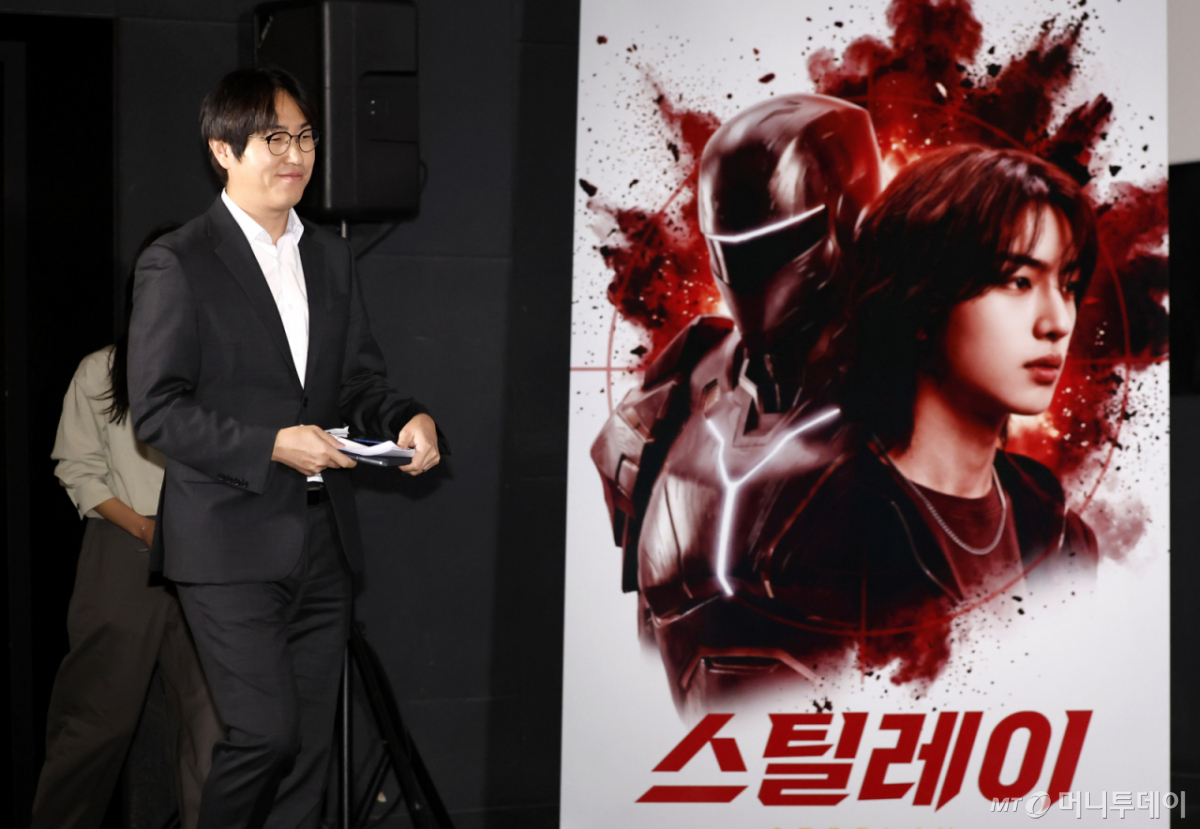
"I believe we can reshape the content landscape that has become entrenched in Hollywood and Netflix with AI-created works."
Ha Jung-woo, deputy chair of the National AI Strategy Committee, attended the screening of 'Steel Ray', South Korea's first full-length AI feature film, on the afternoon of the 7th. He remarked, "AI video generation technology is different today compared to six months ago or even a year ago," and added that he was both surprised and thoroughly enjoyed the film.
He further stated, "In this AI era, I believe we must actively support the AI content sector to become a global cultural powerhouse leading the way."
'Steel Ray' is South Korea's first full-length AI feature film produced entirely with generative AI video tools. Unlike previous AI films that adopted HYBE-led approaches—using AI only for select scenes or specific tasks—the production companies Laon Company Plus and I-No Studio created a 90-minute feature by integrating AI throughout the entire production process, adopting what they call a 'full-time AI production' model.
This marks the dawn of an era where a single film can be produced within a short six-month period on a budget of less than 1 billion won. As an AI-created work, questions continued to arise regarding copyright issues and actors' right of publicity.
South Korea's AI Basic Act has been in effect since this year, requiring AI-created works to display indicators such as watermarks to show they were made by AI. However, this year serves as a transition period under the act. The Ministry of Science and ICT has previously issued an official interpretation stating that if humans create the core narrative of an AI work and conduct final reviews—even if the content is AI-generated—watermarks are not required.
Deputy Chair Ha stated, "I do not believe AI will completely replace the existing content creation ecosystem." He predicted, "The market will become segmented, the types of content consumed will diversify, and consumers will have more choices."
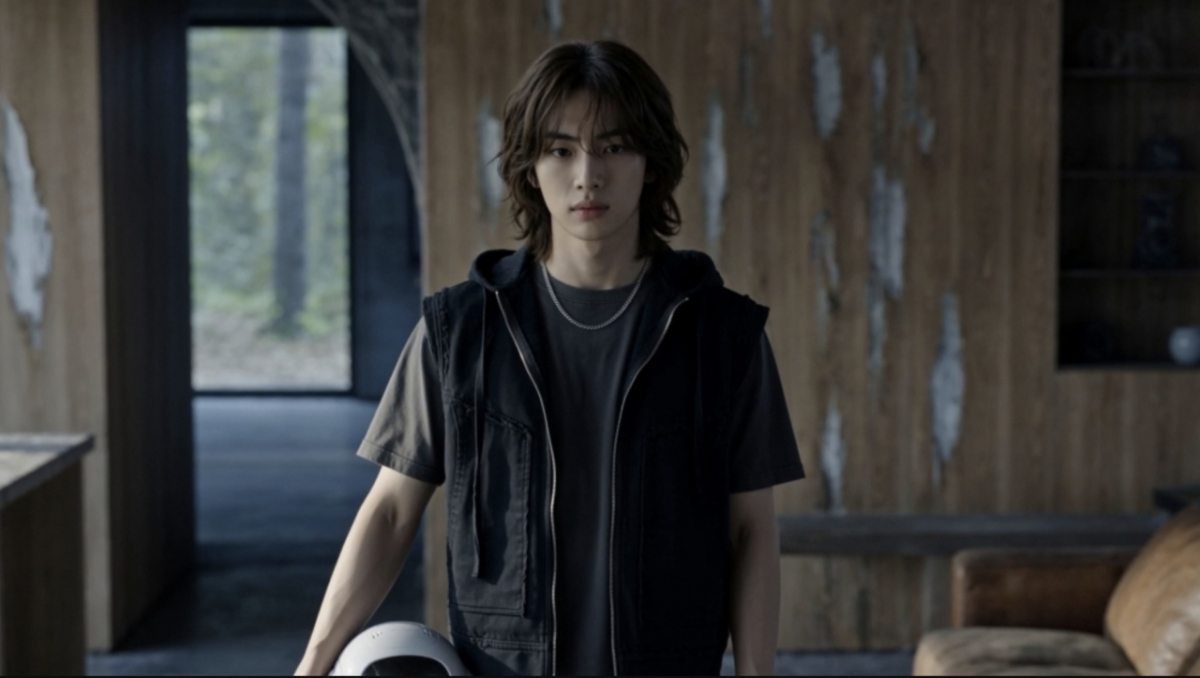
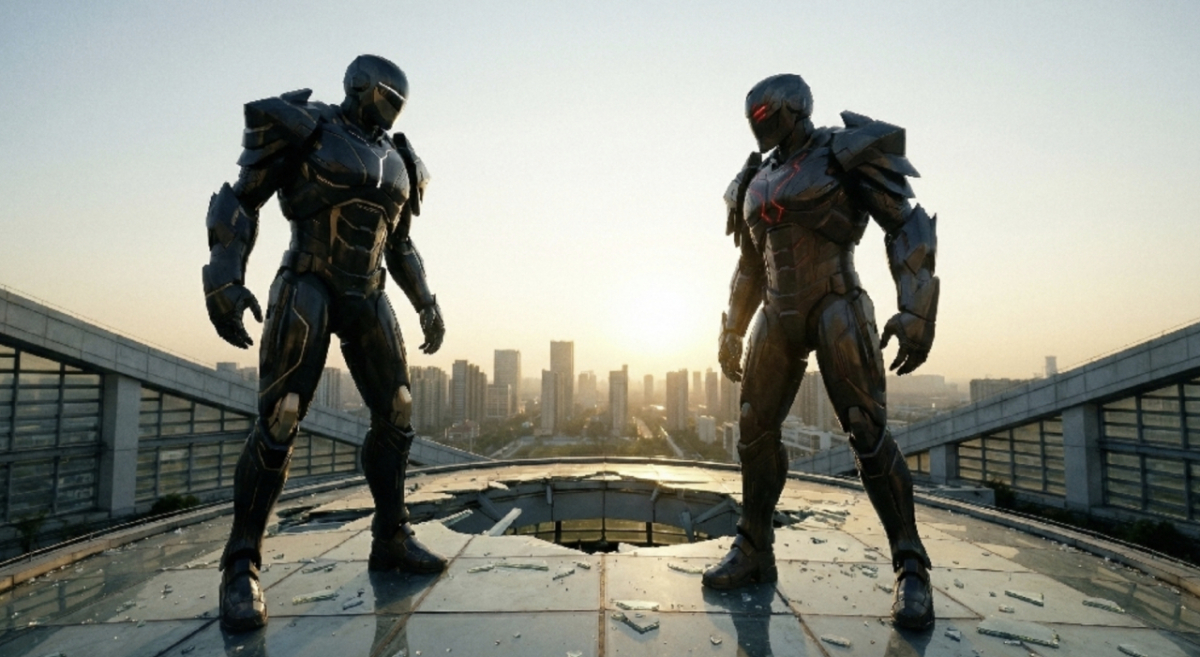
The outcome will differ depending on whether AI is utilized at 10% or 100% in content production, and it is expected that AI may contribute more significantly to risky scenes such as action sequences. However, he noted that the platforms for consumption should vary according to the characteristics of the content. This is because films created with AI still face issues such as lower image quality on large screens.
Deputy Chair Ha remarked, "A new type of content—AI films—has emerged, yet the consumption system remains largely centered on theaters. We aim to explore whether there are systems that allow for easier and more effective viewing tailored to AI content characteristics, and we plan to work with members of the creation ecosystem to develop such systems."
He also expressed concerns about South Korea's relative lag in video production tools compared to overseas counterparts. The film utilized tools such as Runway, Google Veo, and Kling.
He added, "We will discuss with the private sector how we can supply competitive AI tools for AI creation and ensure their stable availability. Just as heroes emerge in turbulent times, I believe we can reshape the content landscape entrenched in Hollywood and Netflix due to AI. We will explore ways to achieve mutual benefits for creators."
Meanwhile, the film is a SF action story centered on an autonomous judgment robot named 'AIRA' that perceives humans as threats. It was directed by Seol Woo-in, an actor-turned-director who previously handled the segment 'Day One' in the AI omnibus film <Code G: The Beginning of Attention>, marking his debut as a director of a full-length AI feature film.

 in TECH


