


Domestic genomics analysis companies are swiftly expanding their business scope. Beyond diagnostic testing, they are venturing into drug development leveraging artificial intelligence (AI) and accelerating global expansion into markets such as the United States, thereby diversifying their revenue models.
According to industry sources on the 29th, "genome" is a portmanteau of "gene" and "chromosome," referring to the total sum of genetic information that constitutes an organism. It is typically used to identify specific mutations associated with diseases such as cancer or rare disorders for diagnostic purposes. With advancements in analysis equipment and AI leading to a leap in information processing capabilities, an increasing number of companies are now applying "multi-omics" analysis, which integrates transcriptomes and proteomes generated by genomic expression.
In the domestic genomics analysis market, NGS (Next-Generation Sequencing) panel tests account for a significant share. A method involving the simultaneous detection of disease-related genes via NGS testing and the use of personalized treatments such as targeted and immunotherapy agents has become widespread. As supply competition intensifies, particularly among tertiary general hospitals that attract cancer and rare disease patients, it is becoming increasingly difficult to achieve differentiation relying solely on basic "testing technology."
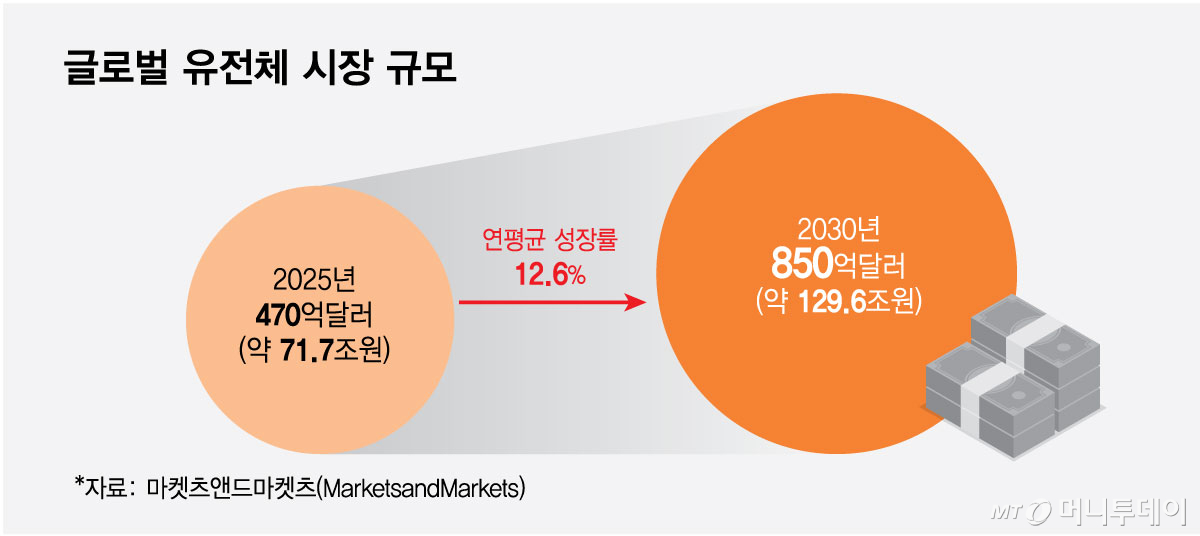
In response, the genomics analysis industry is actively pioneering new businesses based on the data accumulated over the years regarding disease causes (such as genomes) and treatment outcomes (patient clinical data), along with their analytical expertise. Genners has transformed into an AI drug development company by leveraging "Intellivib," a platform that combines massive multi-omics data, including patient clinical information and spatial transcriptomes and proteomes, with artificial intelligence (AI). Based on "curated" clinical data from over 5,500 patients established in South Korea and Japan, the platform analyzes the spatial distribution of cancer and immune cells and intercellular interactions to propose therapeutic targets.
A Genners official stated, "Even when cancer develops due to identical HER2 gene overexpression and mutations, analyzing with Intellivib before and after treatment reveals that drug responses vary depending on the degree of HER2 expression, spatial distribution, and interactions within the tumor microenvironment." The official added, "It may also propose better targets than those previously known, and through cell and gene spatial information or interaction data, it can screen and suggest optimal modalities (treatment approaches) such as bispecific antibodies or ADCs (antibody-drug conjugates)."

Vertis has also expanded its proteomics analysis technology into AI-based drug target development. Known for "MastCheck," which enables early diagnosis of breast cancer using proteins in the blood, the company is entering the market through its AI-based "SURF" platform, which generates and analyzes protein data adjacent to cancer cell surfaces to discover targets for new anticancer drugs. Recently, Vertis signed a joint research agreement with Hwasun Chonnam National University Hospital and began research to validate the clinical and pathological significance of drug target candidates discovered via SURF.
More companies are seeking opportunities in the United States, the "largest market" in the genomics analysis field, beyond domestic borders. Cellemics recently signed a licensing and diagnostic kit supply contract worth at least $7.225 million (approximately 9.9 billion won) over three years with "Achieve Diagnostics" (Achieve), an independent clinical laboratory (CLIA lab) in the U.S. Under this structure, if Achieve uses Cellemics' five NGS panels for cancer diagnosis to conduct clinical tests in the U.S., Cellemics will receive 20% of the revenue as royalties and supply diagnostic kits. This represents a new business model that secures recurring revenue based on local testing volumes in the U.S., moving beyond simple product exports.
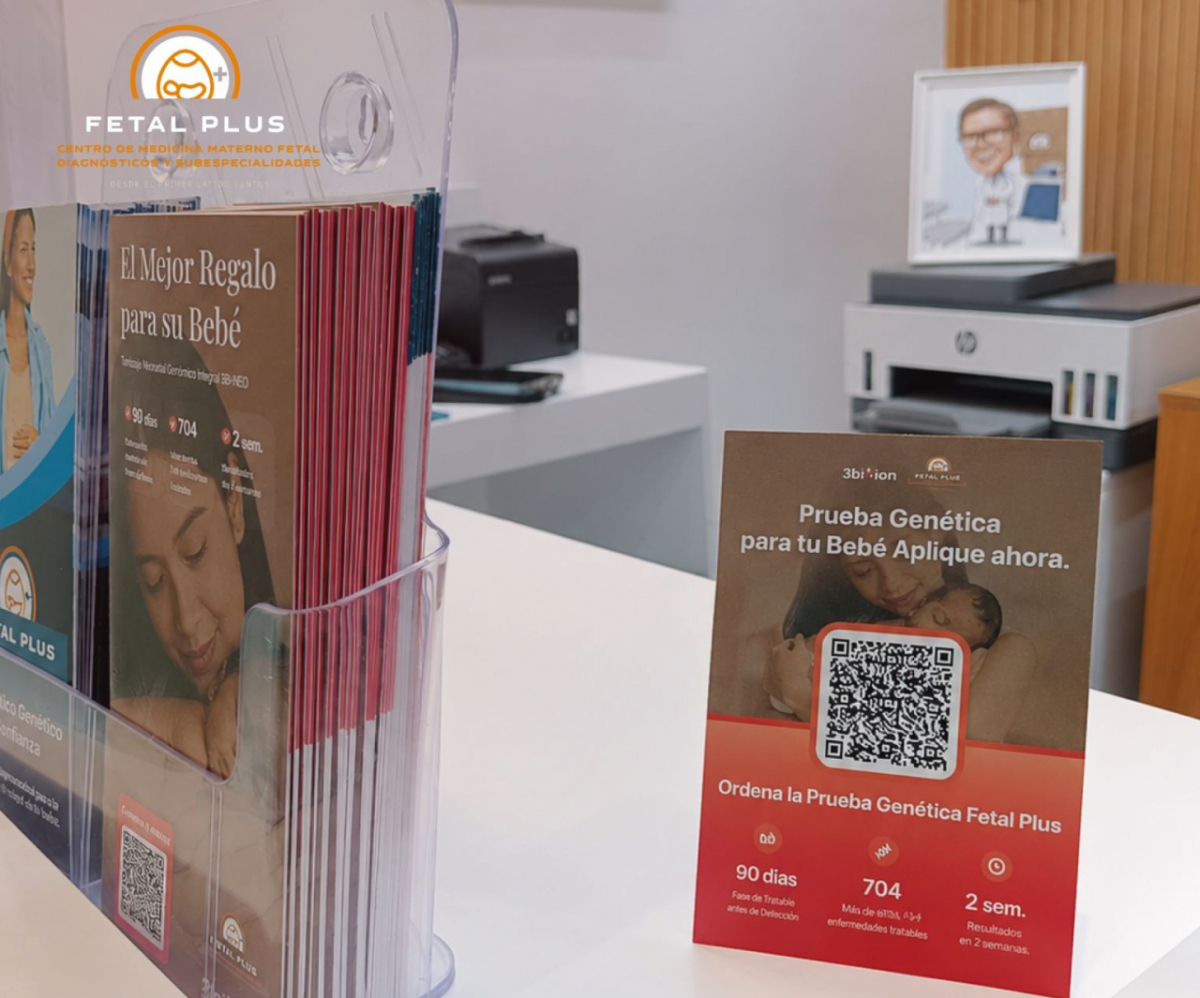
Rare disease genomics analysis company Three Billion is also pushing to establish a local CLIA lab for genomics analysis following the establishment of a local subsidiary in Austin, Texas. The company plans to provide services ranging from sample intake to genomics analysis, AI-based variant interpretation, and report issuance locally. It is also actively conducting AI drug development research based on rare disease genomic data. A Three Billion official stated, "Through local laboratories, we will enhance accessibility for medical institutional investors and lay the foundation for stable growth," adding, "Our goal is to launch services and sales networks starting next year."

 in THEBIO


