

[For more diverse company information on startups mentioned in this article, please visit the Unicorn Factory big data platform 'Data Lab'.]
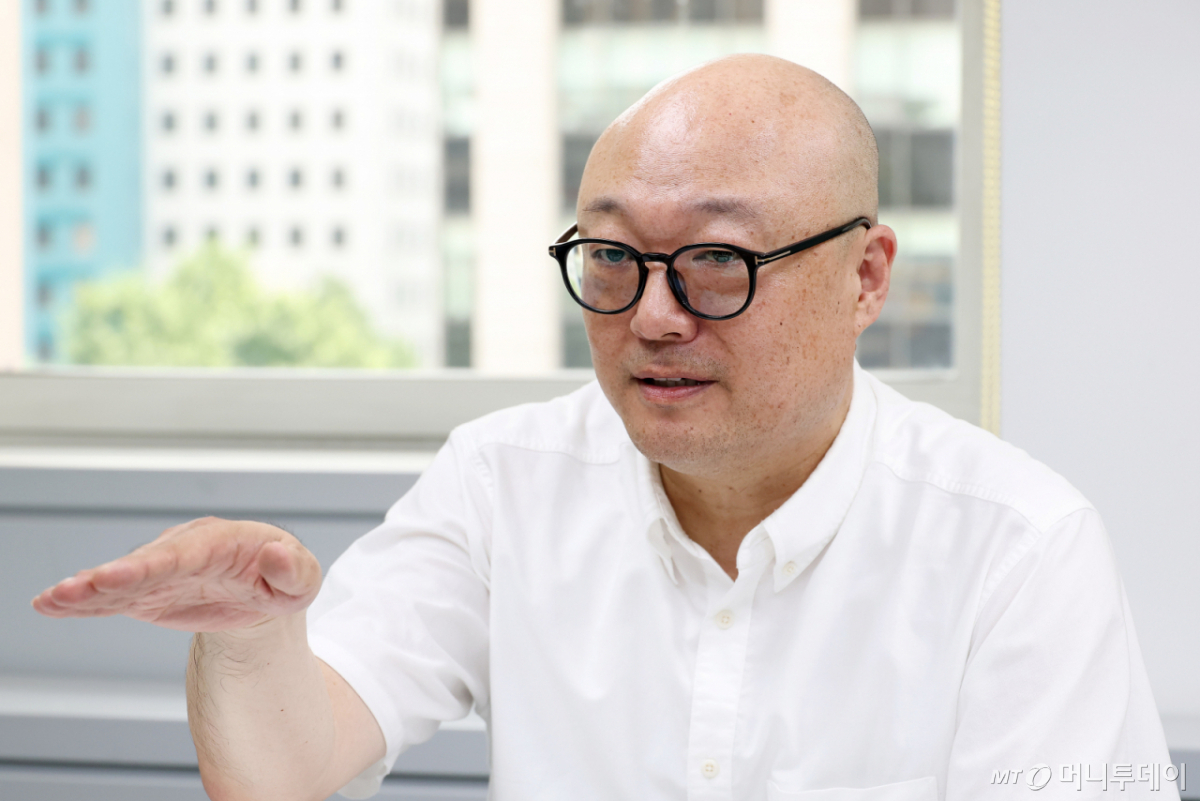
The RD-151 first-stage engine of Naro was developed by Energomash, a Russian rocket engine manufacturer founded in 1946. Valentin Glushko, the Soviet engineer who established this company, once remarked, "Even a pencil can become a rocket if equipped with a good engine." This means that as long as the core engine of a launch vehicle is properly developed, it is sufficient to send rockets into space.
While Elon Musk's SpaceX overwhelmingly dominates the global launch vehicle market, many domestic space startups are focusing on downstream sectors such as satellite systems, ground equipment, and software. However, Choi Young-in, CEO of K-Mash, firmly stated that a space industry without launch vehicles cannot exist.
"Choi (CEO)" said, "First, we must go into space for anything to happen," adding, "Those who secure rockets and launch vehicles—the backbone industries of space—will ultimately control space." Choi (CEO) spent over 20 years at the Korea Aerospace Research Institute (KARI), leading the development of Naro and Nuri rocket engines.
Rocket Engines Made by "Melting and Stacking" Instead of "Cutting"
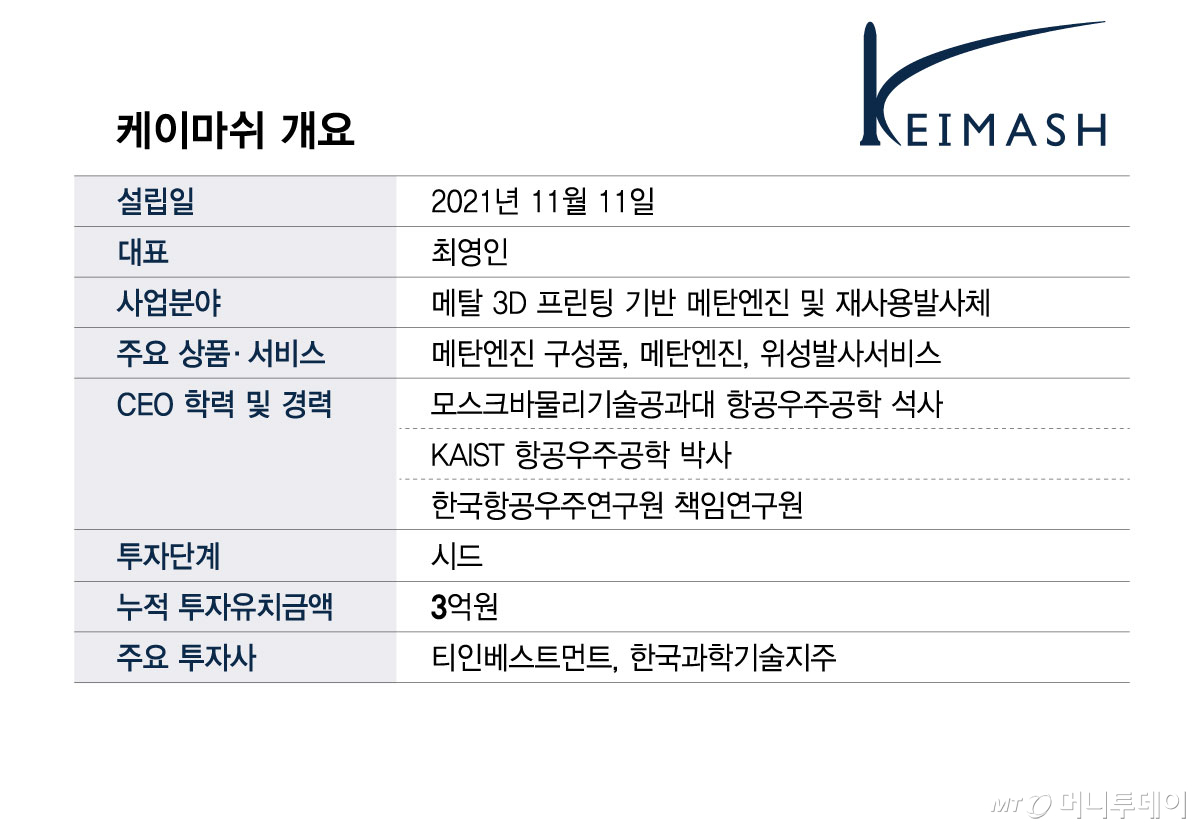
Five years ago, Choi (CEO) took a leave of absence from KARI to establish K-Mash, which is now developing a 10-ton-class liquid methane reusable rocket engine based on metal 3D printing. Conventional rocket engines are manufactured using a cutting process that shapes large metal components with machinery. In contrast, K-Mash melts metal powder layer by layer using lasers.
"Choi (CEO)" explained, "K-Mash's additive manufacturing technique offers greater design freedom compared to traditional cutting methods." He added, "Strength tests confirmed that products made this way can withstand higher pressures and temperatures for longer durations than those produced via cutting."
He further noted, "While experts at large corporations may take about a month to produce engines using the cutting method, K-Mash can manufacture the same specifications within 3–4 days." He also mentioned that they are securing cost-effectiveness by sourcing all components internally, such as acquiring engine valves priced around 12 million won in the market for one-third of that price. Over the past five years, their self-developed supply chain has accumulated valuable know-how.
Although metal 3D printer specifications have gradually increased, currently, the largest size producible as a single unit is limited to 35-ton-class engines. K-Mash focuses on the "10-ton-class" engine specification, which allows them to control both costs and know-how by sourcing key components internally. The engine operates using a staged combustion cycle powered by liquid methane. Methane produces less soot compared to fuels like kerosene (jet fuel), making it more suitable for reusable launch vehicles. Blue Origin's BE-4 engine and Rocket Lab's Archimedes engine also adopt this method.
"Will Complete Pre-burner, Combustor, and Turbo Pump Tests by 2029"
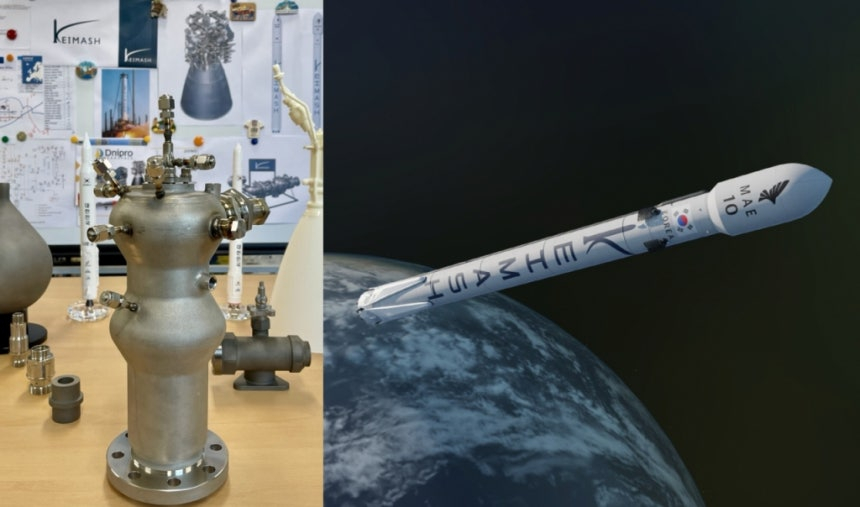
In 2024, K-Mash successfully produced a multi-ignition pre-burner, one of the core components of its engine, using metal 3D printing technology. The turbo pump is responsible for forcefully injecting fuel into the main combustor of the engine. The pre-burner serves as a "small engine" to rapidly spin the turbo pump.
Currently, tests for ignition systems designed to ignite the engine alongside the pre-burner are being prepared simultaneously. Pre-burner testing will begin as early as this year using test facilities at Naro and Nuri partner companies in Geumsan, South Chungcheong Province. Combustor testing is scheduled to commence by the end of next year.
"Choi (CEO)" stated, "Once we complete the pre-burner, combustor, and turbo pump, we will have essentially built a full liquid rocket engine." He added, "We anticipate being able to launch test vehicles around 2029–2030."
Test Vehicle Named 'Maeoki' with Determination… "We Will Succeed"
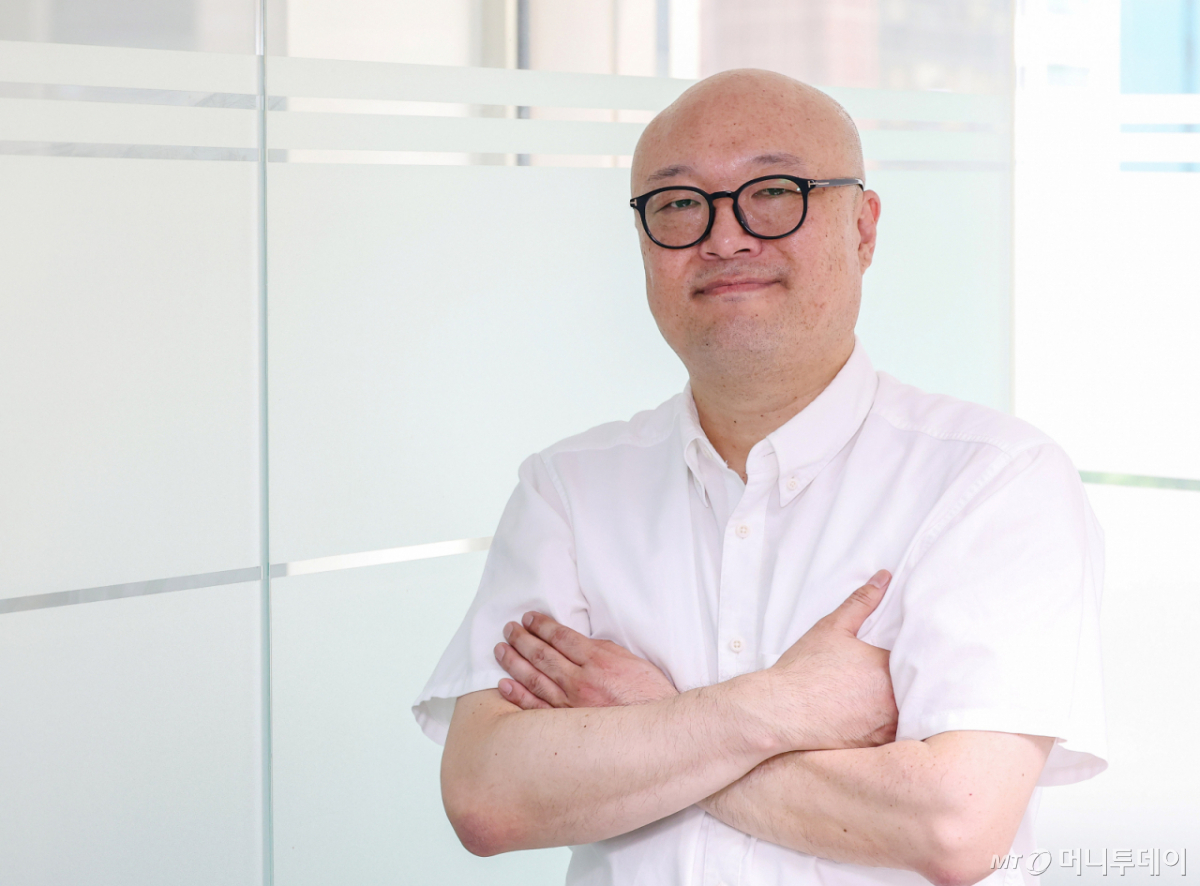
Since founding K-Mash, the most frequent advice Choi Young-in received from others was, "There are too many launch vehicle companies; consider pursuing a different direction." This is a fiercely competitive field dominated not only by SpaceX but also by global giants such as Blue Origin and Rocket Lab in the U.S., and Arianespace in Europe, all backed by substantial capital.
"Choi (CEO)" believed that securing launch vehicle technology would enable other space industry achievements to follow. He emphasized, "SpaceX took 10 years to build its Falcon rocket lineup, but after that, satellites were developed within just two years, allowing them to dominate both upstream and downstream sectors today." He added, "Just as internet infrastructure must be laid before games or e-commerce can succeed on top of it, launch vehicles must succeed first for other space industries to emerge."
The name he gave to the test vehicle with determination is 'Maeoki (MAE OKI)'. Choi (CEO) predicted, "If we successfully test Maeoki in 2029, we will subsequently launch the main vehicle 'Mae 10 (MAE 10)', equipped with nine engines on the first stage and one engine on the second stage, to deploy a 500-kg-class satellite into a 500-km orbit."
[MoneyToday startup media platform Unicorn Factory]

 in FUTURE


