

[For more diverse corporate information on the startups mentioned in this article, please visit the Unicorn Factory big data platform 'Data Lab'.]
"Although we are a biotech company, from the very beginning we bet on securing mass production capabilities rather than entering clinical trials. This strategy is also the background that allowed us to surpass the 45L record set by MegaCyron."
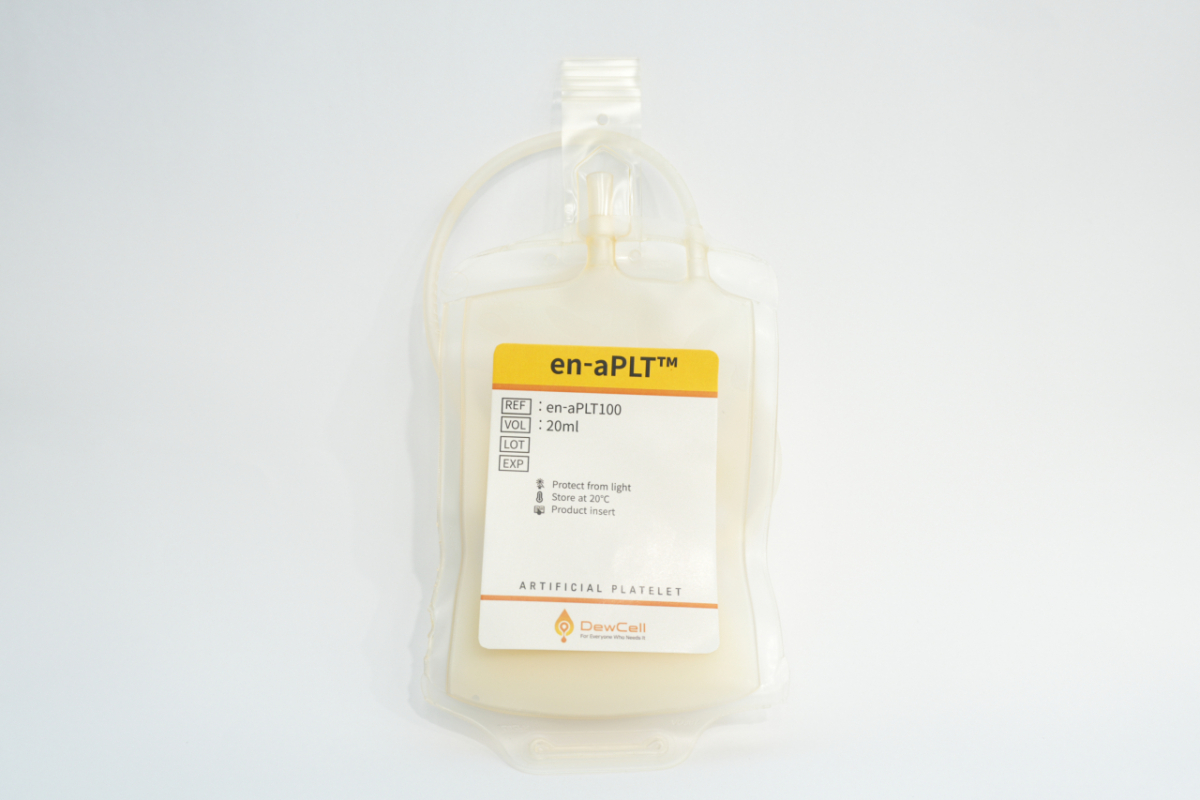
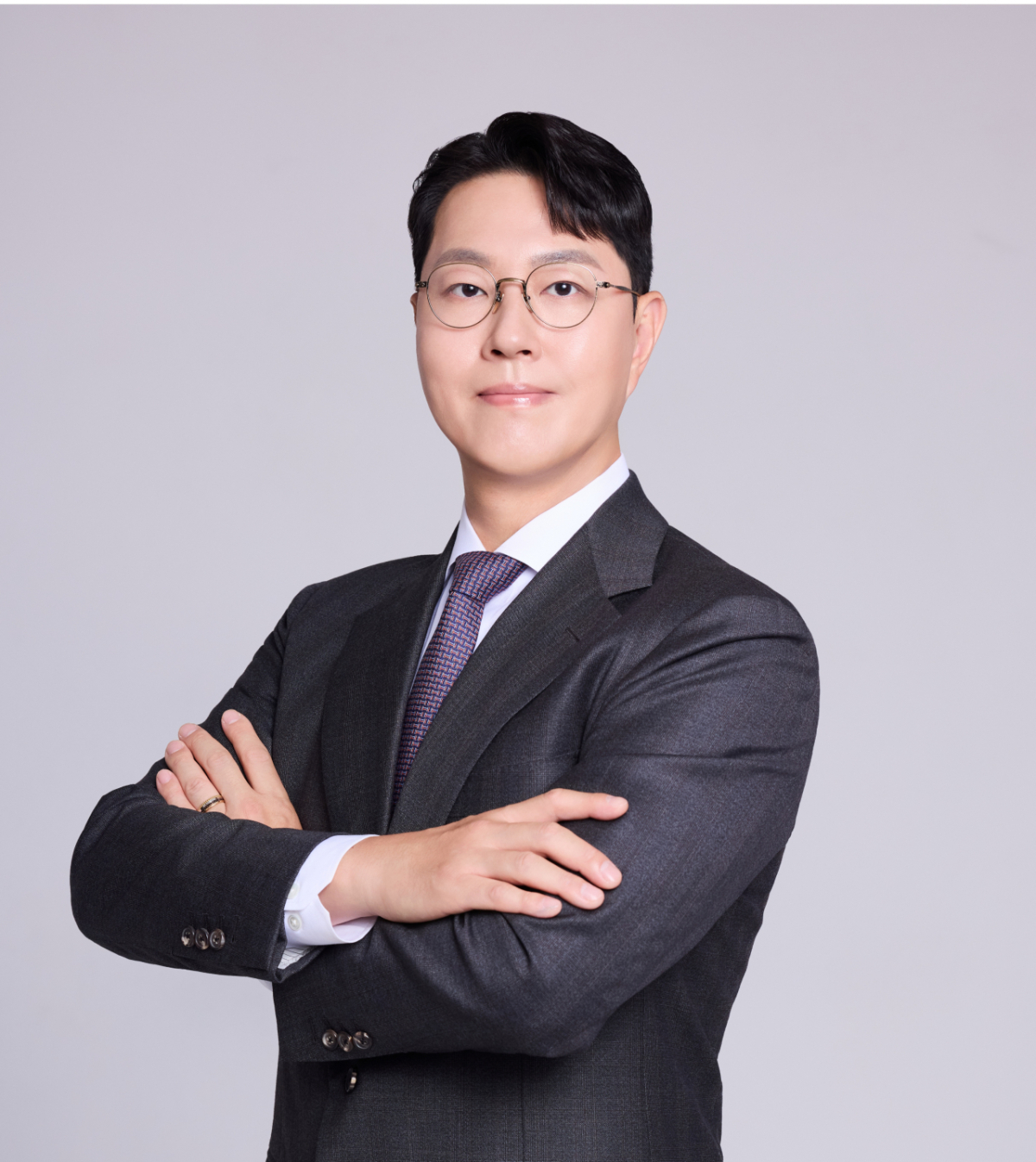
Lee Min-woo, CEO of Duxel Duxel, recently stated in an interview with MoneyToday's startup media platform 'Unicorn Factory' that "Duxel is the first company in Korea to establish a mass production system for artificial platelets." Established in 2021, Duxel is a biotech startup developing and producing artificial platelets based on stem cells.
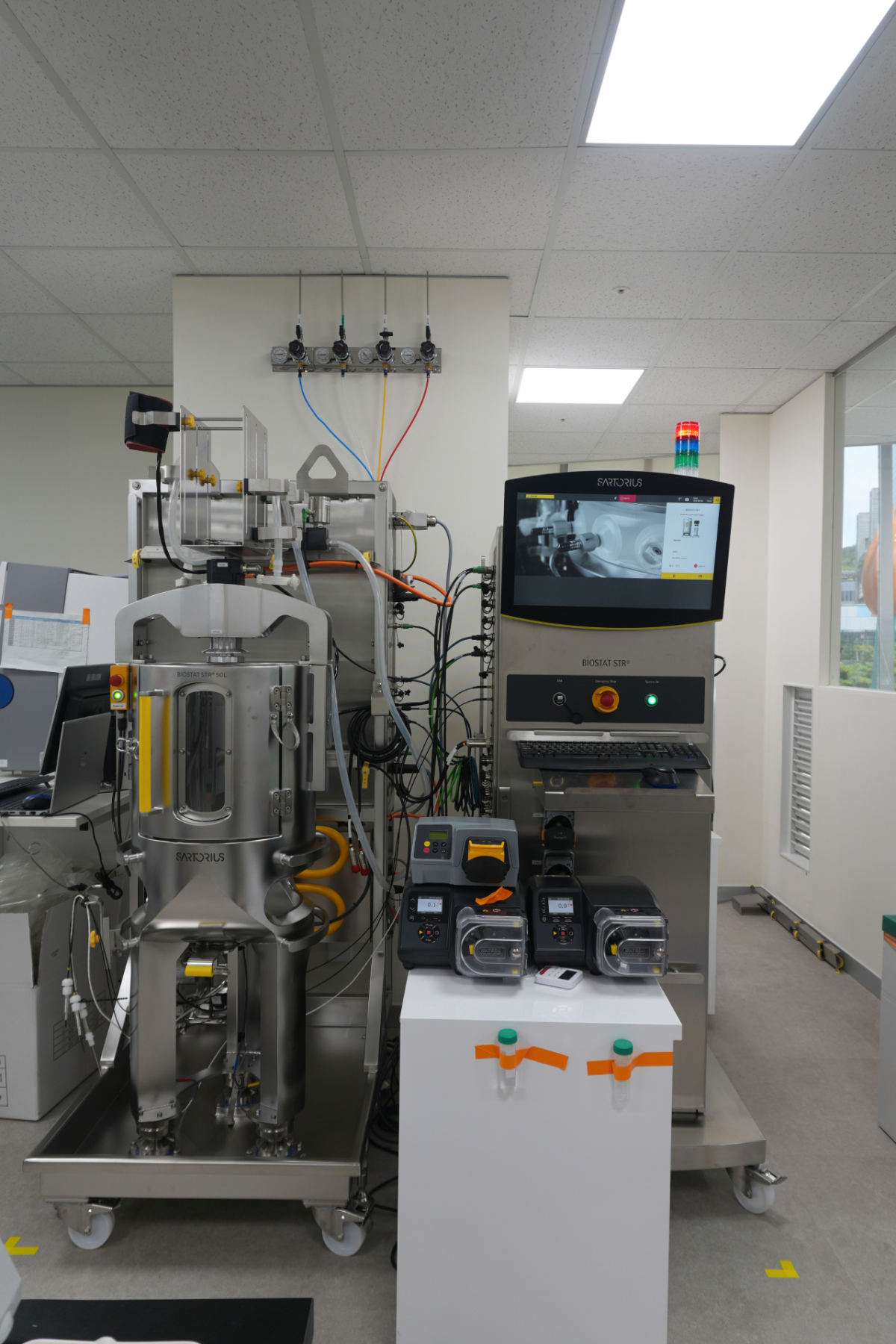
In January this year, the company succeeded in producing artificial platelets using a 50L bioreactor for the first time globally, laying the foundation for mass production. This achievement surpasses the 45L production record achieved by Japan's MegaCyron, a leading player in artificial platelet development, at the end of last year. Following this, Duxel acquired a semi-GMP (semi-good manufacturing practice) production facility in Anyang, Gyeonggi Province, and is preparing for full-scale operations.
Learning from the Pioneer's Mistakes... Finally Surpassing Japan
Duxel focused on production before clinical trials because it took lessons from the case of Japan's MegaCyron. Established in 2012, MegaCyron was the first company globally to enter clinical trials for artificial platelets based on iPSC (induced pluripotent stem cells), demonstrating their safety.
However, at that time, production efficiency was low, revealing limitations in mass production: four 10L bioreactors had to be operated just to produce enough volume for one patient. Consequently, MegaCyron has temporarily halted its Phase 2 clinical trials and is now focusing its efforts on advancing production processes and improving manufacturing efficiency.
To avoid repeating the same mistakes, Duxel prioritized scale-up technology and securing production facilities from the early stages of research. As a result, in January this year, it succeeded in producing artificial platelets using a 50L bioreactor for the first time globally, surpassing MegaCyron's record.
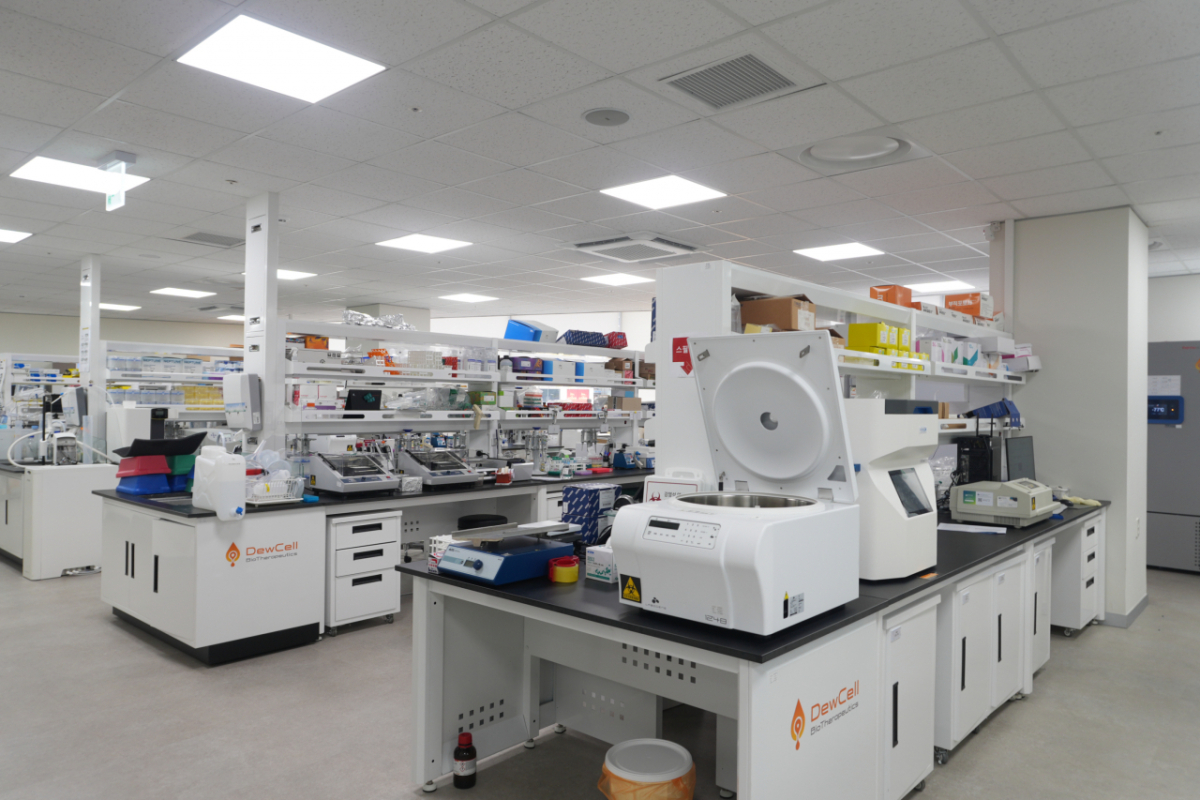
Duxel is currently installing two 50L bioreactors at its Anyang production facility to build a monthly production capacity of 100L. Next year, it plans to add two 200L bioreactors to expand its long-term production capability to 500L per month. Additionally, Duxel aims to launch clinical trials for transfusion-grade artificial platelets by the end of 2027, targeting commercialization as early as 2029.
"Blood Shortage is Already a Reality"... Targeting Platelets, Not Red Blood Cells
While no company worldwide has yet succeeded in commercializing artificial platelets, Lee (CEO) took on this challenge after directly witnessing the limitations of Korea's domestic blood supply system. Lee (CEO) gained experience in developing new drugs such as anticancer agents, treatments for degenerative brain diseases, and diabetes medications while working at Lotte Chemical, Handok, and First Bio.
In particular, during his tenure at Lotte Chemical, he closely observed the blood product business and felt the vulnerability of Korea's blood supply structure, which relies heavily on voluntary donations. Whenever there were disruptions in blood supply, raw materials had to be sourced from overseas, and the price of raw blood continued to rise steadily. As the number of donors declined and the population aged, it became clear that the existing supply system alone would reach its limits.
The decisive turning point was the 2020 COVID-19 pandemic. With social distancing measures and a decline in voluntary donations, the blood shortage crisis became a reality. In response, the government began officially acknowledging the need for artificial blood development. This prompted Lee (CEO) to conclude that commercializing artificial blood is no longer a distant future goal but an immediate practical challenge.
Lee (CEO) stated, "Stem cell technology has developed sufficiently, so I decided to start my own company in 2021, believing it was now the right time to commercialize artificial blood."
Although commonly referred to as 'artificial blood,' it is practically impossible with current technology to recreate an entire human blood system. Instead, the realistic development direction involves producing individual components of blood, such as red blood cells and platelets, using stem cells.
Duxel chose platelets over red blood cells due to their business expansion potential. Platelets play a crucial role not only in stopping bleeding but also in wound healing and tissue regeneration. When an injury occurs, platelets prevent hemorrhage while simultaneously secreting various growth factors that promote tissue regeneration and cell growth, aiding the recovery of damaged tissues.
Leveraging these characteristics, the company determined it could expand its business into diverse regenerative medicine fields, including cell therapy culture materials, osteoarthritis treatment, and skin regeneration. Since commercializing transfusion-grade artificial platelets requires a long development period and massive capital, Duxel's strategy is to first establish a revenue base through various derivative businesses utilizing platelets.
From Lysate to Regenerative Therapies: "The Growth Engine for Developing Transfusion-Grade Artificial Platelets"
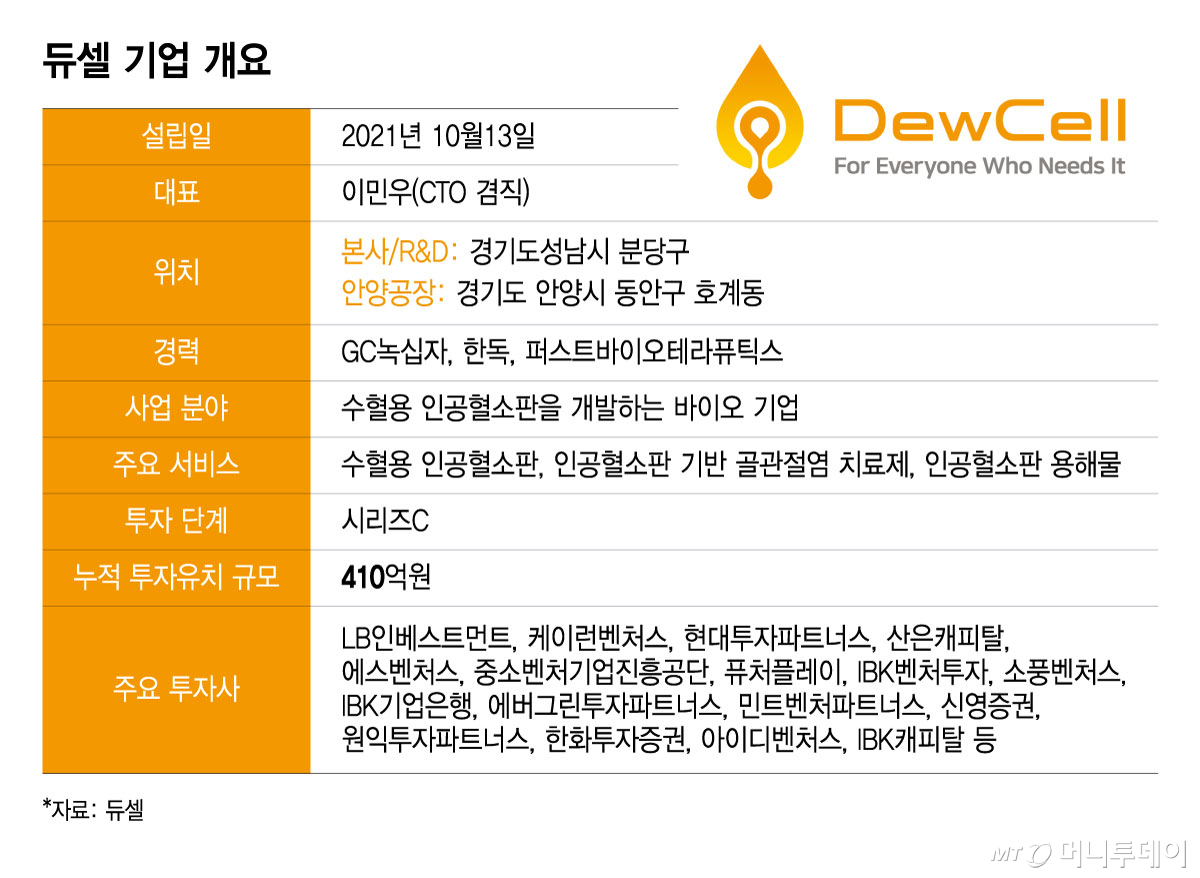
The first business under this platform strategy is the advanced bio-material 'platelet lysate.' Platelet lysate is a growth factor material obtained by breaking down platelets, used for culturing cells. Growth factors are essential for cell proliferation. Duxel plans to supply artificial platelet lysate to companies developing cell therapies and expects to generate revenue within this year. Notably, since platelet lysate does not require separate regulatory approval procedures, it can be sold immediately without clinical trials.
Lee (CEO) stated, "We have already signed a letter of intent (LOI) worth 2 million dollars with Germany's PL BioScience, and we expect the first revenue to be generated once the definitive contract is signed in the second half of this year."
In the medium to long term, the company plans to expand its business into regenerative medicine fields, including treatments for osteoarthritis. Currently, PRP (platelet-rich plasma) therapy, which involves separating platelets from a patient's own blood, is used in medical settings; however, the quality of platelets varies among individuals, leading to inconsistencies in treatment efficacy. In contrast, Duxel aims to produce standardized artificial platelets in GMP-certified facilities to ensure consistent quality.
Lee (CEO) said, "If developing transfusion-grade artificial platelets is our company's mission, then the platelet lysate and regenerative therapy platelet businesses serve as the growth engines that make this mission a reality."
[MoneyToday Startup Media Platform Unicorn Factory]

 in FUTURE


