

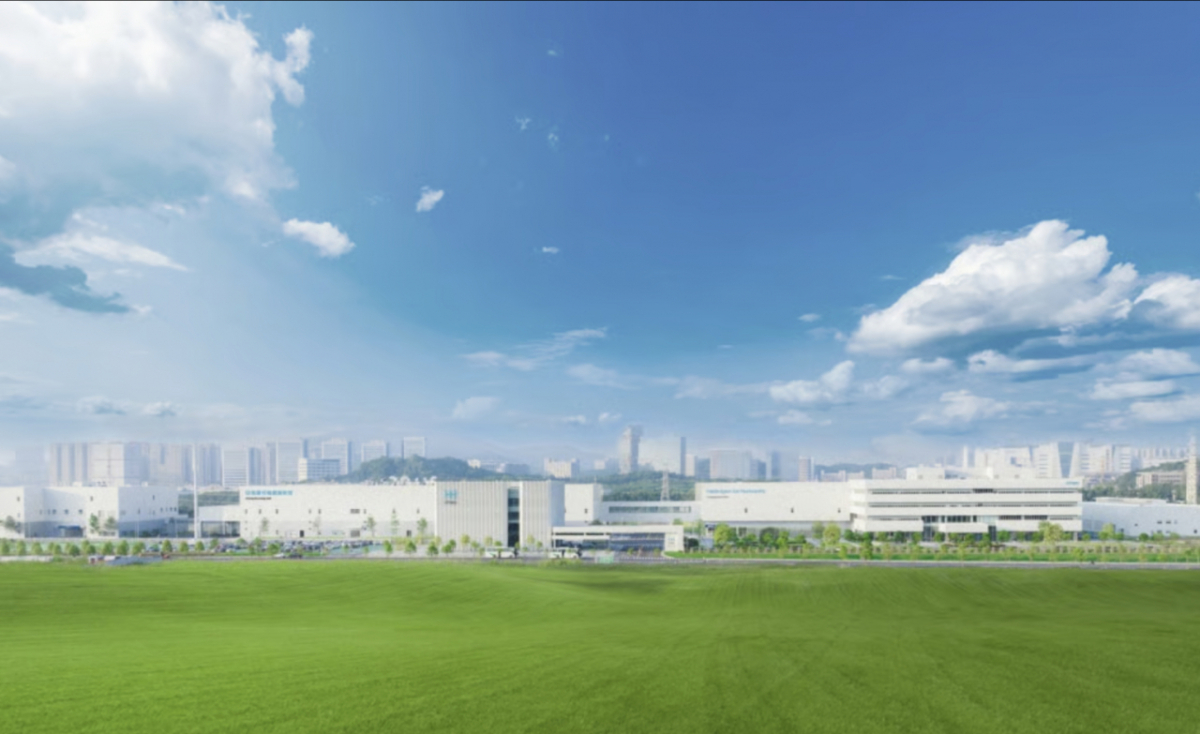
Hyundai Motor Group is advancing the development of dual-arm robots for vehicle and parts manufacturing in Guangzhou, China. Amid struggles in the Chinese auto market, this appears to be an effort to seek new growth drivers by leveraging local robotics technology and talent. The group is expanding the potential of its China operations by securing not only a parts procurement hub but also personnel for developing robot bodies and software.
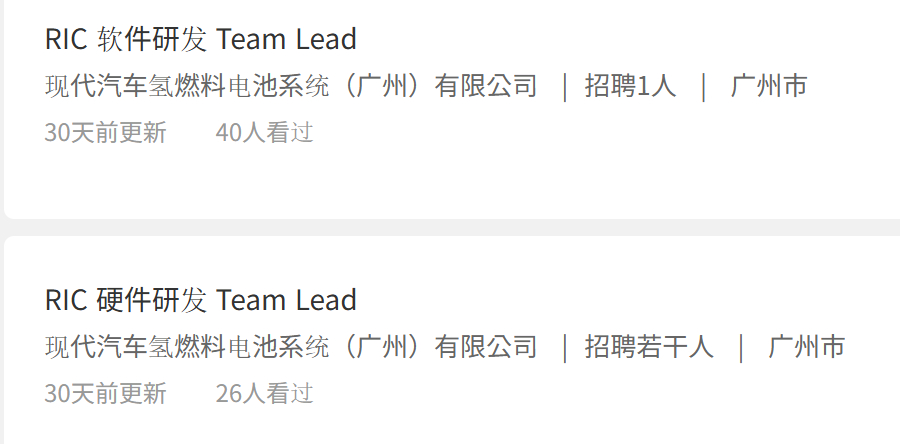
According to Hyundai Motor Group's China recruitment page on the 13th, Hyundai Motor Hydrogen Fuel Cell System (Guangzhou) Co., Ltd. posted a job advertisement on the 13th of last month seeking team leaders for robotics software (SW) and hardware (HW) development based in Guangzhou. Both positions listed the development of wheeled dual-arm robots for vehicle and auto parts manufacturing as their core responsibilities.
The robot is designed to move on wheels while using its two arms to pick up and transport materials. With a payload capacity of approximately 10–15 kg, the goal is to develop it to operate in sync with the speed of existing production processes. The company explained that the focus was on ensuring operational performance and reliability for continuous operation so that the robot can be deployed in specific processes.
The hardware development leader will oversee mechanical, electrical, control, and testing personnel in Guangzhou, responsible for integrating the wheeled mobile unit, dual-arm joint modules, drive systems, power supply, sensors, and other components. The scope of work includes everything from comparative product analysis and in-house design to mass production conversion and application on customer production lines. The role also involves evaluating key suppliers and optimizing parts composition to manage manufacturing costs.
The software development leader will head teams related to robotics SW, artificial intelligence (AI), and simulation, developing platforms for robot control and motion execution. This position is responsible for determining whether necessary technologies should be developed in-house or procured externally. Notably, the job posting explicitly states that the role involves advancing pre-research on cutting-edge technologies such as embodied AI, as well as promoting actual mass production and field application.
Hyundai Motor Hydrogen Fuel Cell System (Guangzhou) Co., Ltd. is also recruiting for product planning and legal positions. The product planning role involves formulating robot development plans by leveraging research outcomes from external partners and academia, as well as identifying application areas within the auto parts industry. It also includes preparing planning and strategy documents to be submitted to the Korean headquarters and affiliates. The robotics legal position will handle legal reviews related to joint research, SW/HW purchase contracts, data, and intellectual property rights.
Hyundai Motor Group's plan to establish a robot parts procurement hub in Guangzhou was revealed last June. At that time, emphasis was placed on securing cost-competitive local parts to reduce robot production costs and diversify the supply chain. The current job advertisements confirm demand for local personnel responsible for everything from developing robot bodies and SW to converting them to mass production. However, the relationship between the existing parts procurement organization and the development team, as well as specific mass production schedules and target customers, were not disclosed in the postings.
It is known that internally at Hyundai Motor, the scope of technology acquisition in the robotics field is being expanded beyond the U.S. and Western countries to include China. In this regard, an official explained, "We are actively reviewing Chinese technologies, considering both the incentives to utilize China as a technology hub and the constraints on technology transfer and utilization resulting from U.S.-China tech tensions as key variables."
How the local development team in China will divide roles with existing research organizations such as the domestic Robotics Lab is also drawing attention. In Korea, Hyundai Motor and Kia's Robotics Lab have been developing mobile dual-arm robot technologies. The relationship between the robots being developed in Guangzhou and domestically developed products, along with the scope of application for technologies secured in China, is expected to determine whether the site can establish itself as a future robotics hub in China.

 in INDUSTRY

