

The four major convenience store chains are expected to see improved second-quarter performance, driven by the strengthening of their private label (PB) products, an increase in foreign tourists, and the early onset of summer heat. Since the second half of the year is typically considered the off-season for the convenience store industry, the sector plans to continue its upward trend through a quality growth strategy focused on enhancing the profitability of existing stores rather than aggressive expansion.
According to the retail industry on the 30th, the four convenience store chains will begin releasing their second-quarter results in early next month. GS Retail, which operates GS25, and BGF Retail, which operates CU, are scheduled to announce their results on the 7th and 6th of next month, respectively. Korea 7-Eleven, which operates Seven-Eleven, is expected to release its results around the 14th of next month, while E-Mart24 is also likely to disclose its figures around a similar time.
The securities industry expects all four convenience store chains to record improved performance compared to the same period last year. FNGuide, among others, forecasts that GS Retail will report an operating profit of 100 billion won, up approximately 20% from the previous year, while BGF Retail is expected to post an operating profit of 76 billion won, a rise of about 10%. Seven-Eleven is anticipated to turn profitable, and E-Mart24 is projected to reduce its loss by more than 20%.
Industry analysts attribute the performance improvement to enhanced internal competitiveness through the expansion of PB products and IP (intellectual property) items, the growth of specialized stores, and strengthened quick commerce services. Additionally, the increase in foreign tourists and the early arrival of summer heat have accelerated the peak season effect.
The second half of the year, when the summer peak season ends, is generally considered the off-season. Consequently, the industry's strategy focuses on strengthening the competitiveness and profitability of existing stores rather than pursuing external growth.
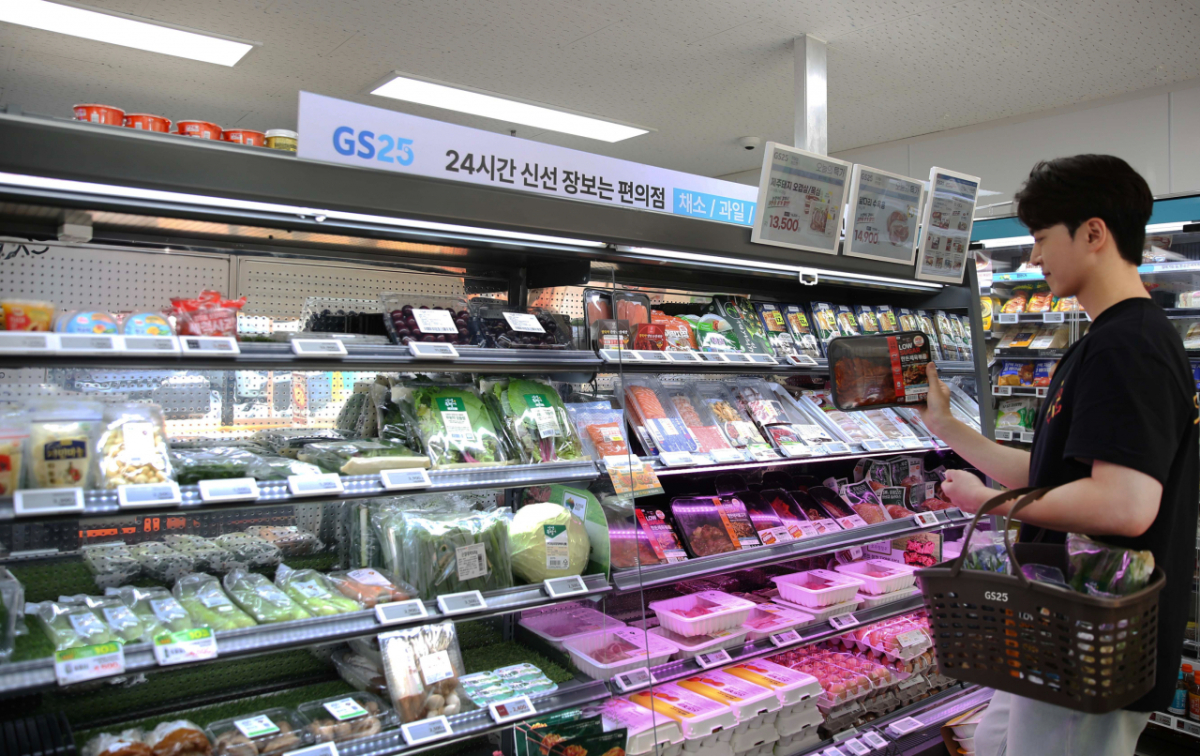
GS25 will secure demand from single-person households and nearby shoppers through its "freshness-enhanced stores." The company plans to comprehensively revamp its core product category, fresh food, to support performance growth. CU intends to expand its "shopping-specialized stores," currently around 300 locations, to 500 by the end of this year. It also plans to introduce smoothie machines, which maintain steady demand regardless of the season, into approximately 500 stores. Seven-Eleven aims to enhance franchisee competitiveness through the expansion of its next-generation franchise model, "New Wave." The company will also accelerate its global sourcing strategy, leveraging its global network to import popular overseas products. E-Mart24 is also expected to focus on strengthening the competitiveness of specialized stores such as K-Food Lab and Dessert Food Lab.
An industry official stated, "In addition to strengthening internal competitiveness, external factors such as increased foreign tourists due to weather conditions and exchange rates have positively impacted performance improvement." The official added, "In the second half, we will focus on expanding profitability through quality growth centered on specialized stores and differentiated products."

 in LIVING
