

As the distribution of counterfeit goods marketed under the guise of "parallel imports" has recently expanded, concerns within the fashion industry are deepening. Sales practices that exploit the ambiguity of the term "parallel import," making it difficult to determine product authenticity based solely on this label, are increasing, leading to eroded brand trust and growing consumer harm. Particularly for overseas brands, domestic operators face structural challenges in mounting immediate legal responses, prompting the industry to raise its defensive measures by strengthening monitoring and collaborating with foreign headquarters.
According to industry sources on the 4th, parallel imports refer to a method where individual entrepreneurs, rather than official domestic importers, bring genuine products from overseas for sale. However, the term "parallel import" does not guarantee product authenticity. Industry insiders point out that some sellers are increasingly using the phrase "parallel import" instead of explaining whether items are genuine, thereby misleading consumers into believing they are buying authentic goods.
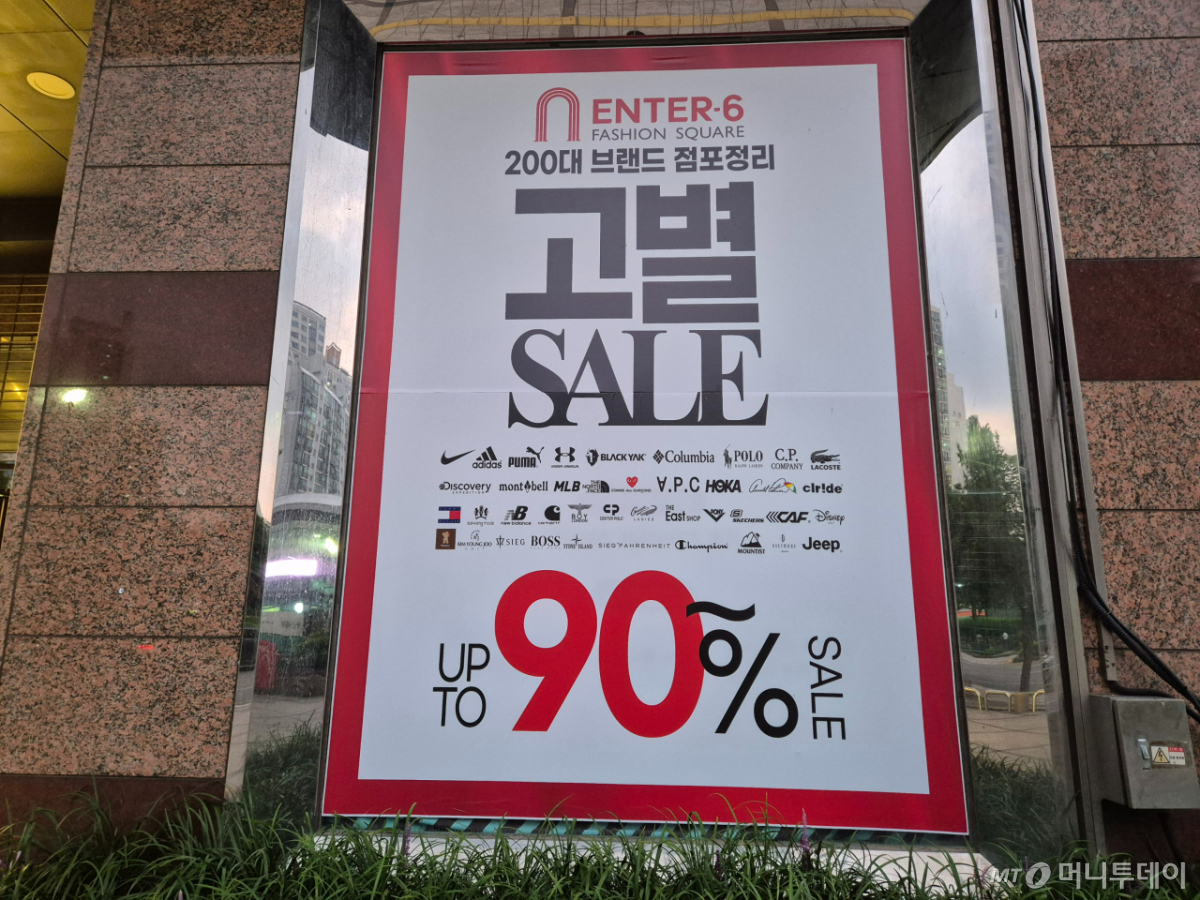
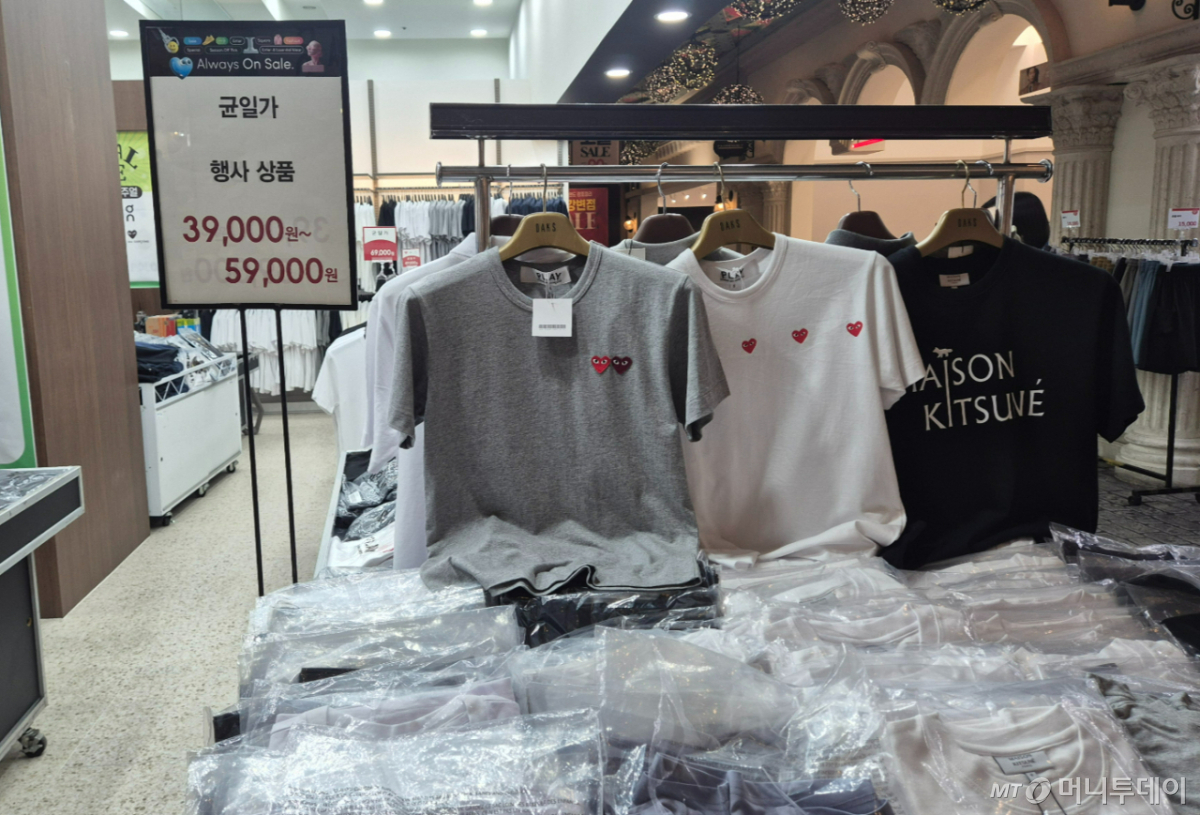
This controversy erupted during a farewell discount event held at Entersix, a mid-sized shopping mall in Gwangjin-gu, Seoul. At the venue, products from renowned brands such as Maison Kitsuné, AMI, Comme des Garçons, Nike, New Balance, and Polo were sold at prices significantly lower than market rates. T-shirts from these brands, which typically cost over 200,000 won, were offered for around 50,000 won at the event, sparking allegations of counterfeit goods on social media.
Time Republic, the clothing intermediary company organizing the event, reportedly only repeated to consumers who inquired about authenticity that the items were "parallel import products." Even after suspicions of counterfeits arose, they allegedly provided no proof of genuineness but instead informed customers that refunds were possible. Entersix maintains that it merely rented out the venue and had no involvement in the event itself.
As counterfeit distribution under the banner of "parallel imports" continues to occur, the fashion industry is escalating its response measures. Samsung Mulsan's Fashion Division, for instance, recently confirmed circumstances indicating large-scale circulation of goods suspected to be counterfeits. It is now collaborating with law firms and monitoring agencies to assist brand headquarters in taking action. Reports indicate that some cases involve purchasing suspicious items to trace distribution channels and pursuing legal action through the brand headquarters against major sellers.
However, a key concern for the industry is that overseas brands face limitations in response capabilities from domestic companies. While domestic brands can immediately file complaints or take legal action upon discovering counterfeits, overseas brands require action from their headquarters, which hold the copyrights. Even companies operating businesses in Korea find it difficult to respond unless they are direct-entry brands.
Consequently, the industry is strengthening both online and offline monitoring. A fashion industry official explained, "We are monitoring major sales channels such as online open markets and social media to verify whether counterfeit goods are being distributed." They added, "When suspicious sales are identified, we cooperate with platforms to request suspension of sales or initiate intellectual property protection procedures such as trademark infringement reports." The official further noted, "Recently, counterfeits have become so sophisticated that they are difficult to distinguish by appearance alone. Therefore, we advise consumers that purchasing through official channels and verifying product information is the most reliable method for confirming authenticity."
The industry also highlights the misuse of the term "parallel import" as a tool to gain consumer trust. A fashion industry official stated, "Counterfeit sellers are increasingly exploiting loopholes in the legal framework by shifting responsibility to the 'parallel import' label, leading to larger-scale and more organized operations." They added, "Recently, cases have increased where consumers are induced to purchase through advertisements not only on offline platforms like Entersix but also on YouTube, Instagram, and KakaoTalk."
An official from Samsung Mulsan's Fashion Division remarked, "Low-priced counterfeit goods circulating in the market usually differ significantly from genuine products in materials and stitching, making them easy to identify." They concluded, "Purchasing from authorized distributors such as SSF Shop is the safest method of buying."

 in LIVING

