

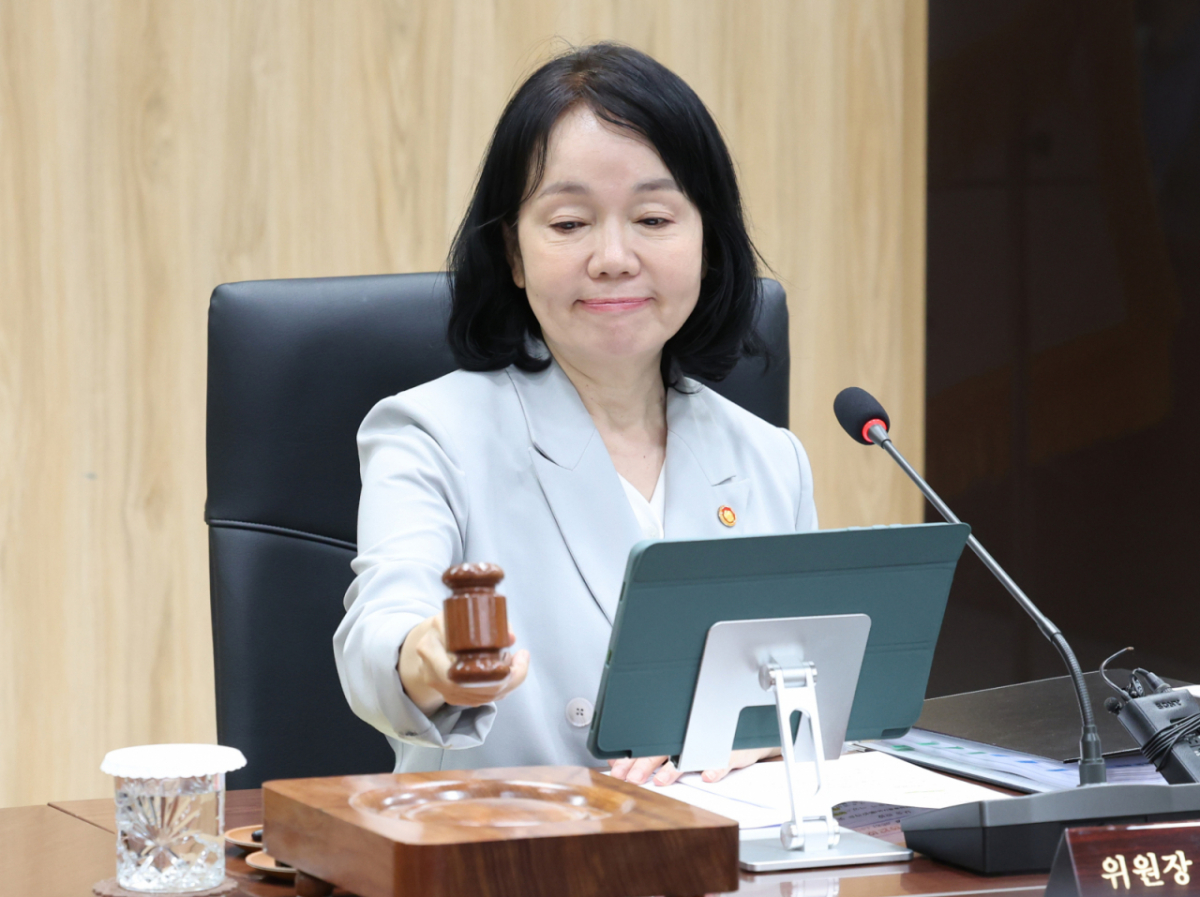
Song Kyung-hee, head of the Personal Information Protection Commission, summoned the chief executive officers (CEOs) of the three major telecom operators (SK Telecom, KT, and LG Uplus). This marks the first formal communication between the Commission and corporate CEOs since her appointment. Song shared awareness on personal information protection with the CEOs of the three telecom companies that provide services closely tied to daily life and discussed policy cooperation measures.
The Commission announced on the 28th that it held a meeting with the three major telecom operators at the Korea Press Center in Jung-gu, Seoul. The discussion covered broad topics including: establishing internal control systems and preventive protection frameworks to prevent data breaches from recurring; systematically managing the entire telecommunications distribution network; cultivating personal information protection talent; and building a public-private cooperation system to respond to personal information issues.
The Commission urged the companies to focus on self-inspections and training for handlers by year-end, given the sharp increase in data breach incidents. In particular, it noted that the telecommunications sector has a complex distribution structure involving telecom operators, agents, and retail stores. Since retail stores may have vulnerable structures for managing personal information, the Commission requested that telecom operators take responsible stances to manage and supervise these outlets.
The three major telecom operators raised the opinion that a pre-consultation system is needed to ensure that special provisions for artificial intelligence (AI), introduced to promote safe technology development, can be effectively operated. In response, the Personal Information Protection Commission stated that it is currently formulating operational plans so that the AI special provision system can provide practical assistance at research sites.
Regarding opinions calling for clarifying and improving existing legal grounds for processing such as public information, pseudonymized information, and legitimate interests to support AI development, and opinions suggesting the need for an AI agent guideline reflecting corporate handling practices, the Commission replied that it is preparing institutional innovation measures and plans to finalize a document tentatively titled "AI Agent Personal Information Processing Guidelines" within this year.
Finally, the three major telecom operators proposed the need for public-private communication channels to respond swiftly to personal information issues. In response, the Personal Information Protection Commission promised to establish a public-private cooperation system to eliminate unreasonable regulations and uncertainties while supporting corporate AI innovation.
Song stated, "Personal information protection in the telecommunications sector is about safeguarding citizens' daily lives and trust in digital society," adding, "Recent consecutive personal information breaches must be taken seriously by both the government and businesses." It further emphasized, "We must shift to a prevention-centered protection system that identifies risks in advance and responds proactively before incidents occur. Personal information protection should now become a core management issue where CEOs personally oversee it and the entire organization shares responsibility."
Prior to the meeting, the CEOs of the three major telecom operators also released a "Joint Declaration for an AI and Digital Society Trusted by Citizens." They pledged to make personal information protection the top corporate management value and commit to: establishing accountability governance centered on CEOs and boards of directors; expanding investment in personal information protection and hiring specialized personnel; embedding personal information protection and ensuring transparency and accountability during AI service development and operation; and developing Personal Information Enhancement Technologies (PETs).
Meanwhile, the Commission has been implementing the revised Personal Information Protection Act since the 11th. The revised law explicitly stipulates final responsibility for CEOs, strengthens the role of the Chief Privacy Officer (CPO), introduces a designated reporting system, and reinforces corporate internal control obligations.

 in TECH
