

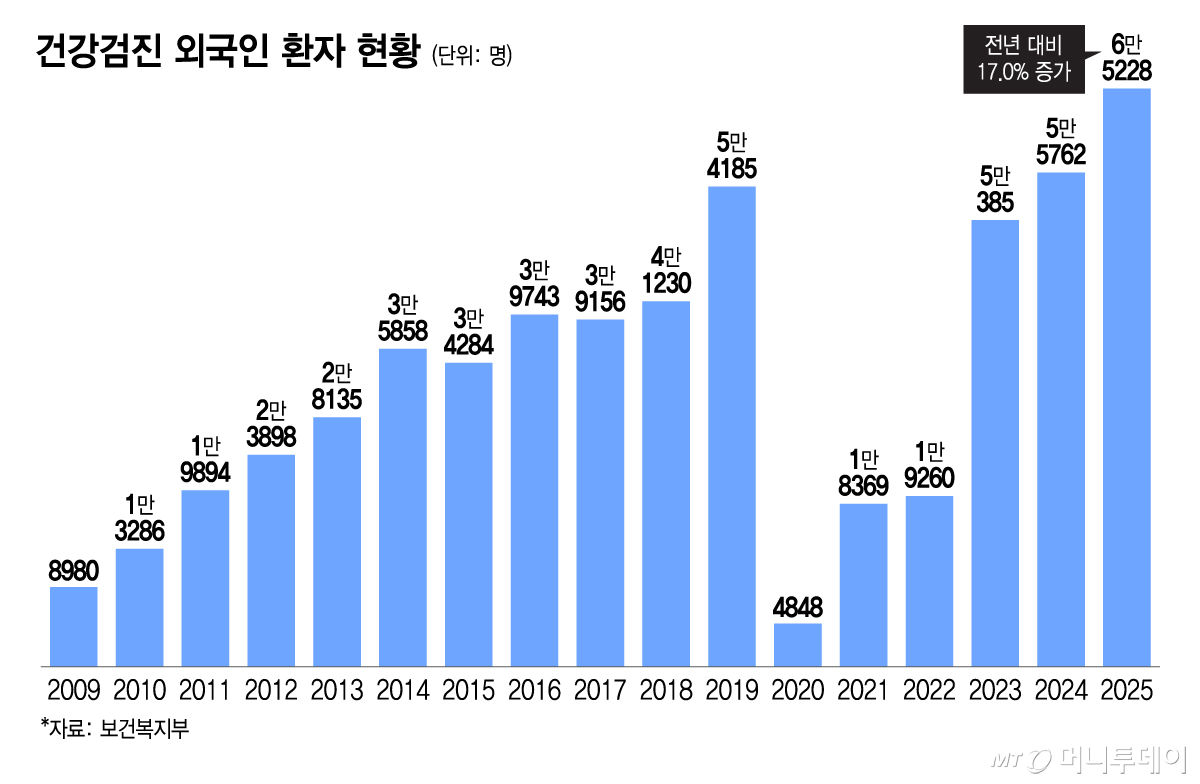
The number of foreign patients receiving health screenings in South Korea has been steadily increasing. Rapid and systematic screenings and result notifications, as well as reasonable prices, are cited as contributing factors.
According to the Ministry of Health and Welfare on the 15th, the number of foreign patients who underwent health screenings domestically last year was 65,228, a 17.0% increase from the previous year. The figure grew from 8,980 in 2009 to 54,185 in 2019 before declining due to the novel coronavirus pandemic, and has since set new records for two consecutive years from 2024 through last year.
The upward trend appears to be continuing this year as well. According to KMI Medical Research Institute, the number of foreign examinees at KMI screening centers from January to November this year increased by approximately 44% compared to the same period last year.
A KMI official stated, "Examinees with North American citizenships, such as from the United States and Canada, account for a high proportion, and customers from various countries, including China, Mongolia, and Commonwealth of Independent States (CIS) nations, are visiting KMI for health screenings, and their numbers are increasing." The official added, "We view the combination of screening expertise, the convenience of receiving multiple tests in one location, and language support for foreign clients as factors behind the increase in foreign health screenings."
The official further noted, "We provide foreign-language guidance and result explanations, and facilitate follow-up medical care when necessary, to ensure that foreign clients can use our services conveniently," adding, "We expect demand for foreign health screenings to expand over the medium to long term." The official also revealed, "Going forward, we plan to enhance multilingual information on our global website, improve the convenience of online reservations and result inquiries, and expand cooperation with online platforms used by overseas customers."
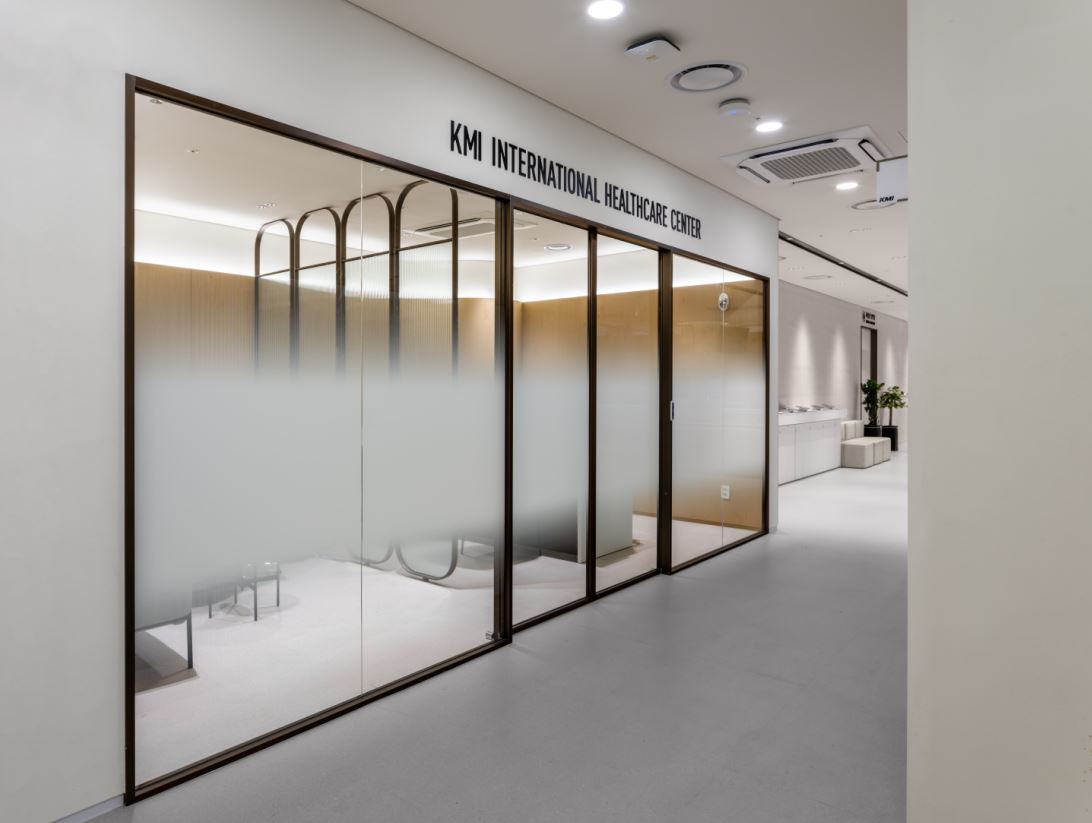
Foreign visits have also increased at the Severance Seoul Station Center, which offers high-end health screening services. A Severance Hospital official explained, "Last year, approximately 2,290 foreign patients underwent health screenings at the Severance Seoul Station Center, and that number continues to grow." The official added, "We provide interpretation services in English, Chinese, Japanese, Russian, and Mongolian for foreign examinees, provide test results in English, and ensure that if abnormal findings such as cancer are detected, treatment can be immediately provided at Severance Hospital."
Looking at the actual status of foreign patients by medical specialty, screening centers rank fourth, following dermatology, plastic surgery, and integrated internal medicine.
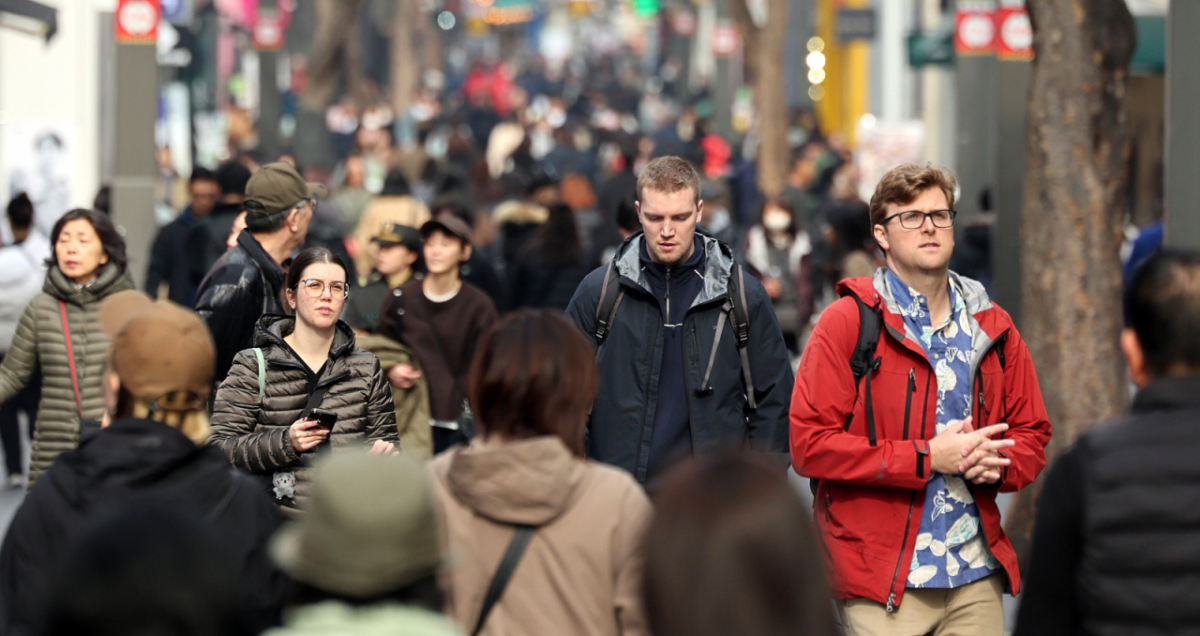
The number of foreign patients receiving health screenings and other services is expected to increase in tandem with the rise in foreign tourists. As of the 12th, the number of foreign tourists visiting South Korea this year surpassed 20 million for the first time in history, and the number of foreign patients is also expected to exceed 2 million for two consecutive years, following last year's figures.
Han Dong-woo, Director of the International Medical Division at the Korea Health Industry Development Institute, predicted, "Based on surveys such as the Foreign Patient Card survey, the number of foreign patients this year is expected to increase by about 20% compared to the previous year." He added, "The government has started accepting state guest patients from Mongolia since last year, and these patients are assigned to specific hospitals, which can serve as channels for attracting patients to regional hospitals," expressing hope that "this will also help revitalize the local economy."
Joo Cheol, Director of the Overseas Expansion Division of the Health Industry at the Ministry of Health and Welfare, stated, "The increase in foreign tourists alongside Hallyu has driven the growth of foreign patients in cosmetic/plastic surgery and dental/ophthalmology fields, coinciding with the enhanced international competitiveness of 'K-Beauty.' The number of foreign patients in non-treatment medical areas, such as health screenings with efficient systems, is also increasing." Director Joo emphasized, "Health screening demand from countries with rising incomes, not only in the United States but also in Central Asia and Southeast Asia, appears to be steadily increasing, so it is necessary to pursue growth both through domestic attraction and as a strategic area for overseas expansion."

 in THEBIO


