

[More diverse corporate information on the startups mentioned in this article can be viewed at Unicorn Factory's big data platform 'DataLab'.]
"Rather than focusing solely on increasing the number of entrepreneurs, I hope policy efforts are concentrated on creating a structure where bold startups can prove their competitiveness in the market without being blocked by regulations and survive until the end."
"I believe that quota systems based on who started a business actually hinder innovation. Criteria such as age or region tend to narrow the door for support, which is regrettable. While I agree with the intent and direction of the policy, it may lead to reduced opportunities for some companies."
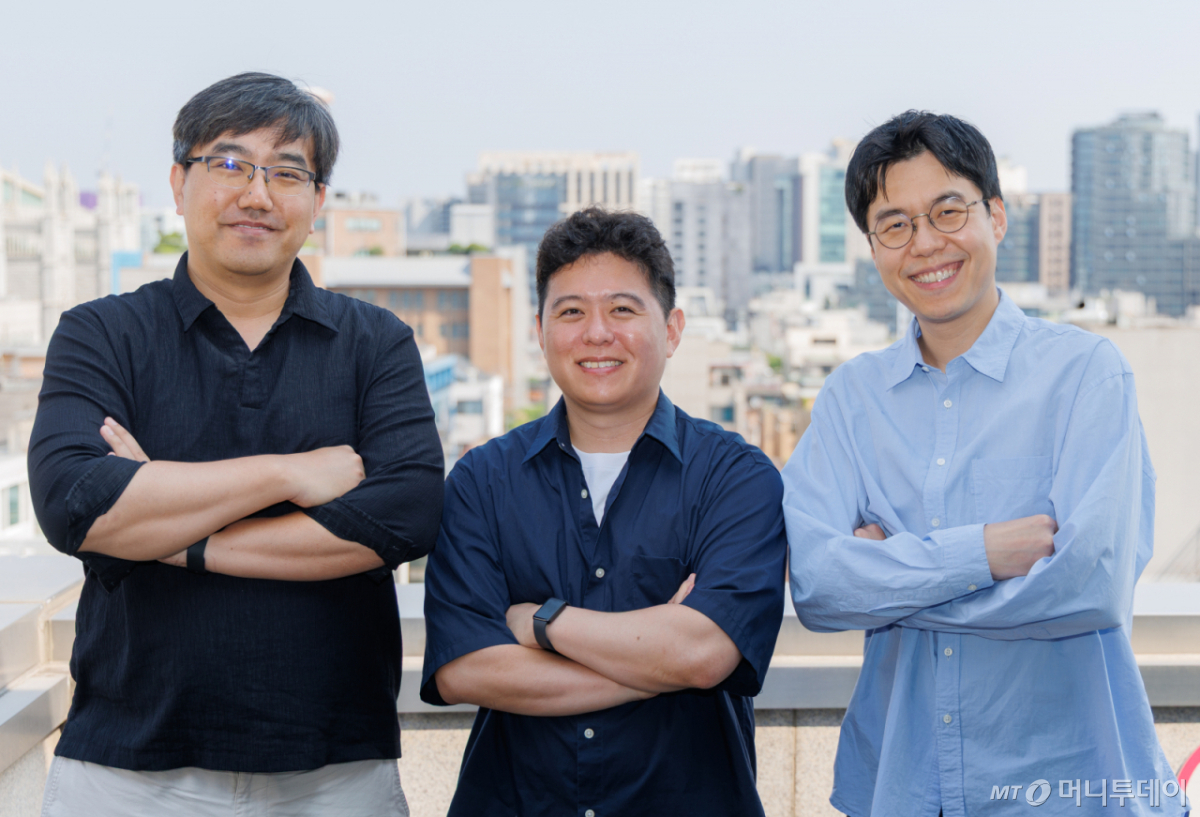
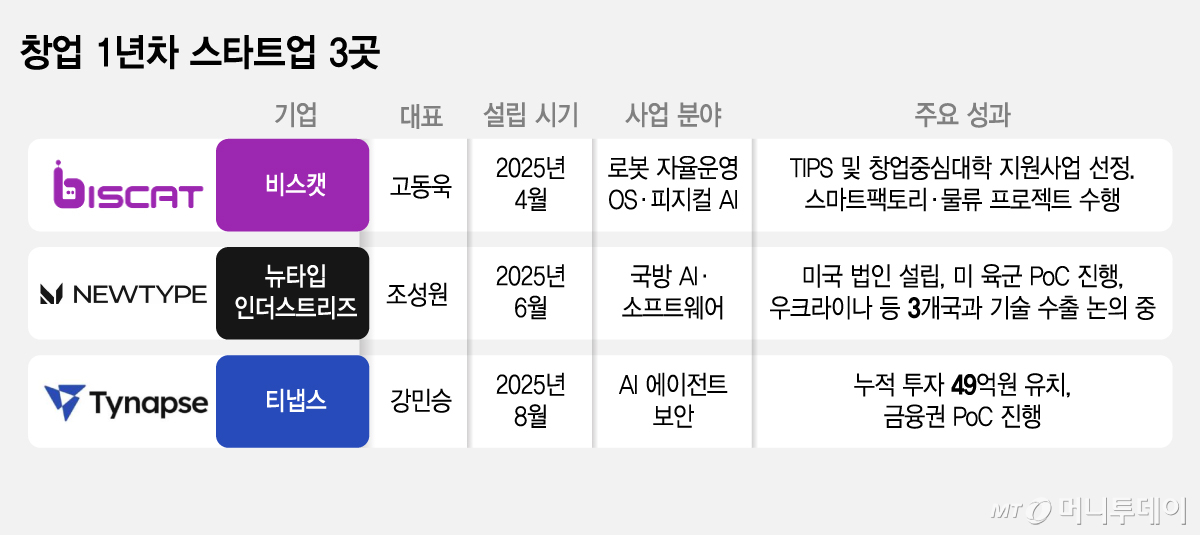
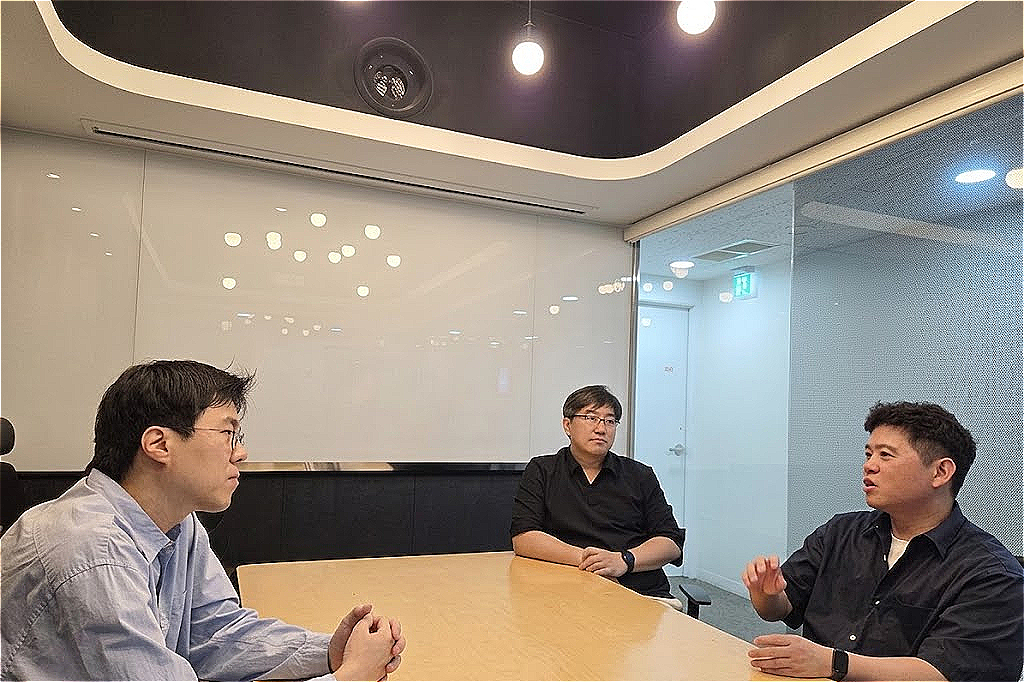
On the 16th, Kang Min-seung, CEO of Tinaps; Go Dong-wook, CEO of Viscat; and Jo Sung-won, CEO of NewType Industries, gathered at a shared office in Seoul Gangnam. These are individuals who launched startups after the Lee Jae-myung government took office. To understand how venture and startup policies during the first year of the Lee Jae-myung administration are perceived by early-stage startups, MoneyToday selected three companies established in the same year as the government's inauguration and held a roundtable discussion.
You have reached your first anniversary as startups. If you were to pick one keyword for each company's past year, what would it be?
▲Go Dong-wook, Viscat CEO='Foundation building.' While developing autonomous operation software for robots, the company was selected this year for TIPS (Technology Innovation Program) and a startup-focused university project. It has been a time of laying one by one the foundations for future growth, from patent applications to establishing corporate research institutes and securing initial investments.
▲Kang Min-seung, Tinaps CEO='Trust.' I want to express this with the word 'trust.' The business addresses the question: 'When an era arrives where AI agents work instead of humans, can we trust and entrust machines?' Since launching in August last year, the company secured seed funding of 4.5 billion won from Kakao Ventures and others in April this year, accumulating a total of 4.9 billion won. It has completed proof-of-concept (PoC) projects with major commercial banks and confirmed market demand.
▲Jo Sung-won, NewType Industries CEO='Global.' I will describe NewType's first year with the word 'global.' The company's defense software product was deployed in actual combat in Ukraine for testing and is being prepared for inclusion in next-generation command-and-control systems of European countries. It is also preparing for a demonstration test with the Korean military within this year.
How are recent environmental changes in each company's industry and government policies perceived on the ground?

▲Kang Min-seung, Tinaps CEO='The relaxation of regulatory barriers for financial institutional investors is a successful model case where the regulatory sandbox was effectively institutionalized. As banks can now easily adopt external AI and software-as-a-service (SaaS), a security solutions market has also emerged to protect them safely. The AI Basic Law implemented this year also requires real-time risk management and accountability for high-impact AI, so the industry views it as an opportunity.'
▲Go Dong-wook, Viscat CEO='The government's support for the robotics industry and smart factory demonstration projects are providing practical help on the ground. In particular, I view positively the current situation where dozens of PoC projects worth 2 billion won per project, such as factory automation, are being launched. However, a regrettable point is that many project applications tend to cluster after budget approval, making it difficult to reapply if the timing is missed. I hope there will be more 'autonomous recruitment-type policy projects' so companies can receive support when they need it.'
What government startup support policies have you actually felt or benefited from?
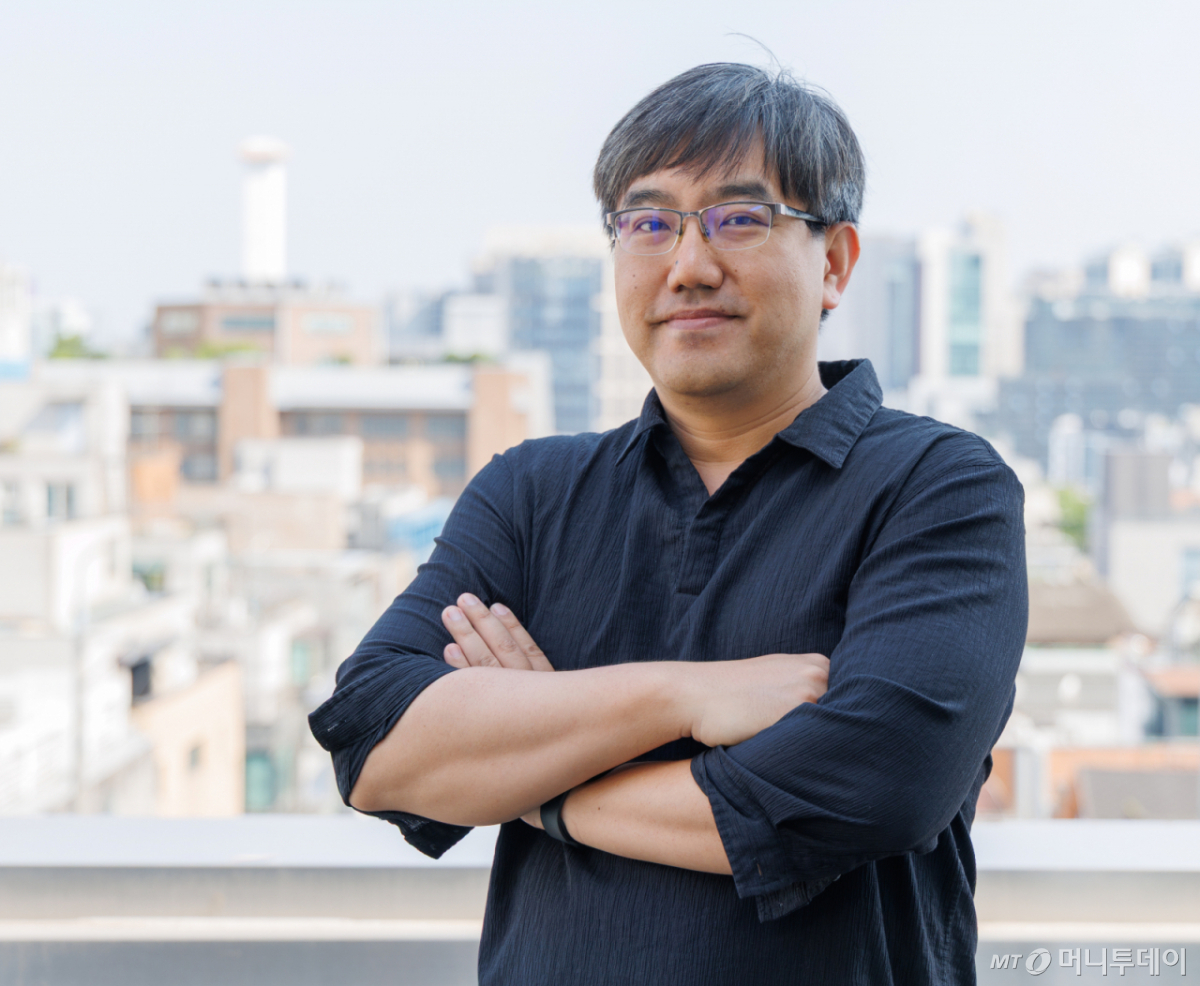
▲Go Dong-wook, Viscat CEO='I view positively the expansion of TIPS support up to 800 million won. Although I received TIPS support during a previous startup venture, the 500th million won at that time was not sufficient for about 10 technology startups to pursue R&D and commercialization. Since technology startups require long periods and significant capital to reach commercialization, the expansion of support has become a stepping stone for growth. The expansion of autonomous factory demonstration projects in manufacturing sites is also providing practical help for technology verification and market entry.'
▲Kang Min-seung, Tinaps CEO='It is an early-stage support program specialized in deep tech. TIPS or the Deep Tech Track of the Early Startup Package provided a foundation to gather talent and train models. The structure that classifies high-difficulty deep tech companies separately and allows them to wait longer has been greatly helpful for survival.'
▲Jo Sung-won, NewType Industries CEO='The defense industry sector still feels low policy impact. The success or failure of defense startups depends on whether PoCs can lead to actual military procurement. Even if the amount is not large, there needs to be a structure where technology can be directly connected to operational deployment and revenue through sole-source contracts, etc. I hope systems that provide substantial business opportunities beyond pilot project-based support will expand.'
Is the funding supply situation, such as the expansion of policy funds, felt?
▲Kang Min-seung, Tinaps CEO='In the AI and deep tech fields, it is clear that investment is active. However, I regret that funds from large-scale funds worth hundreds of billions of won are concentrated only on specific areas such as sovereign AI. Although investments in early-stage companies have increased, I still feel that channels for Series B or later companies to secure follow-on funding or raise capital through mergers and acquisitions (M&A) remain limited.'
▲Go Dong-wook, Viscat CEO='There is also a trend of capital concentrating on the physical AI field. Although much money has been released into the market, venture capital (VC) investment reviews have become even more stringent. It is felt that the difficulty of securing investment has increased as VC firms carefully examine not only technology capabilities but also revenue, demonstration cases, and the possibility of turning profitable.'
▲Jo Sung-won, NewType Industries CEO='While I feel an expansion in funding supply, there are regrets regarding management methods. In the defense industry, it takes a long time to generate initial revenue, so applying general industry investment criteria directly is difficult. Europe provides opportunities for startups to build references by demonstrating their software and drones on actual battlefields through national-level funds. South Korea also needs to establish defense-industry-specific funds and support systems that allow startups to achieve both technology verification and revenue generation simultaneously.'
What are the regrets regarding regulatory innovation or system operation?
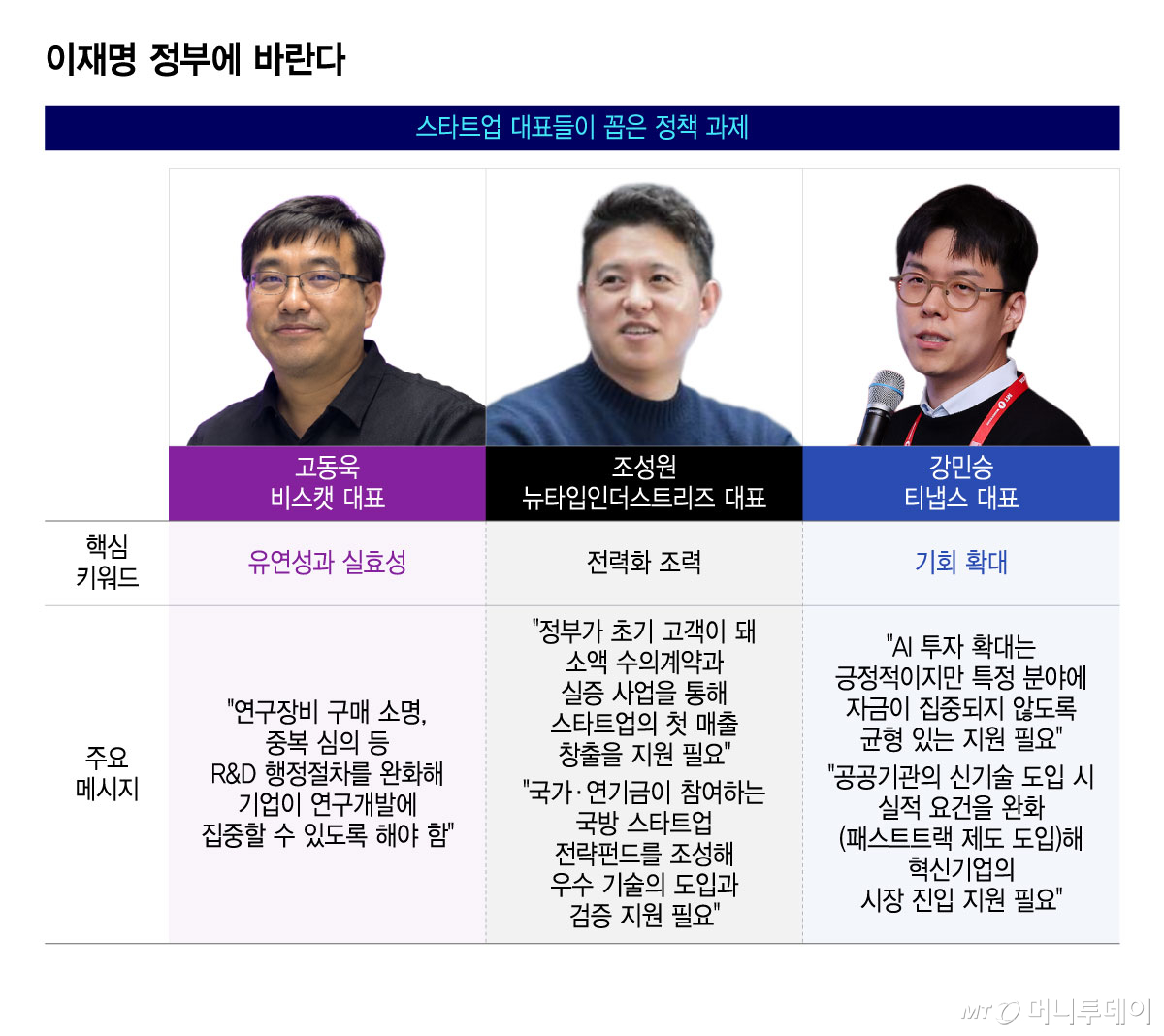
▲Kang Min-seung, Tinaps CEO='Improvements are needed in cost calculation standards and R&D expense settlement methods. For example, purchasing GPUs (Graphics Processing Units) directly is often more advantageous from a cost perspective, but administrative procedures effectively recommend using cloud services. This is because physical assets must be separately proven to serve business purposes. The reality that even when purchasing a single development laptop, one must justify that it is not for personal use is regrettable. Additionally, varying labor cost allocation rates and settlement standards for each project are increasing the administrative burden on startups.'
▲Jo Sung-won, NewType Industries CEO='The government requires accounting audits to ensure transparency in fund disbursement, and startups also incur costs to have their funds verified by accounting firms and self-regulate against wasteful use. Nevertheless, burdensome repetitive procedures such as responding to various committees and registering with administrative systems continue. Administrative costs have increased to the point of hiring dedicated personnel, and even when winning government projects, a significant portion of support funds is often consumed by accounting fees and management labor costs. In defense support projects, structures that require collaboration history with large corporations or grant points effectively create subcontracting arrangements; this needs to be improved in a direction that enhances startup autonomy.'
▲Go Dong-wook, Viscat CEO='I believe the mechanical quota system that uniformly matches the proportions of youth, women, and regional companies needs reconsideration. Companies located in Seoul with CEOs in their 40s face fiercer competition in support projects and are pushed to later priority positions.'
▲Jo Sung-won, NewType Industries CEO='I agree. There are cases where small regional offices staffed by only one or two people are opened, or women with career interruptions and persons with disabilities are hired just to meet regional allocation criteria. Since this creates side effects, I believe methods that encourage voluntary participation through incentives or tax benefits would be more effective.'
Is there anything you want to convey to policy practitioners?
▲Go Dong-wook, Viscat CEO='The shift of government support's weight from survival subsidies to investment linkage and scale-up is a clear improvement. However, it is always regrettable that when administrations or supervising ministries change, the names of smoothly running projects are changed, tracks are merged, and continuity is broken.'
▲Jo Sung-won, NewType Industries CEO='It is regrettable that defense startups find it difficult to apply for regulatory sandboxes. Military practitioners responsible for requirements also often express opinions that they cannot utilize new ideas due to regulations. I believe support measures tailored to the characteristics of the defense industry are needed.'
The government launched a national startup audition program called 'Everyone's Startup' to revitalize entrepreneurship. What is the perspective from the field?
▲Go Dong-wook, Viscat CEO='The message that entrepreneurship is an area anyone can challenge has meaning. However, it is regrettable that the budget for the 'Pre-Startup Package,' which allows verification of startup suitability and business models during this process, was reduced. The Pre-Startup Package was an important process beyond simple financial support, where entrepreneurs could verify their own capabilities and receive mentoring. Rather than simply increasing the number of startups, it is important to create a structure that helps prepared entrepreneurs emerge through prototype production and initial customer connections.'
▲Kang Min-seung, Tinaps CEO='The direction of broadening the base of entrepreneurship and having the public take on the role of an early customer is positive in itself. However, there are concerns that audition and event formats may obscure the essence of entrepreneurship, and the method of paying activity fees could only encourage challenging startups superficially. As the threshold has been lowered, designs that support survival must follow.'
Evaluate the current government's startup policies and state your wishes for the remainder of the term.
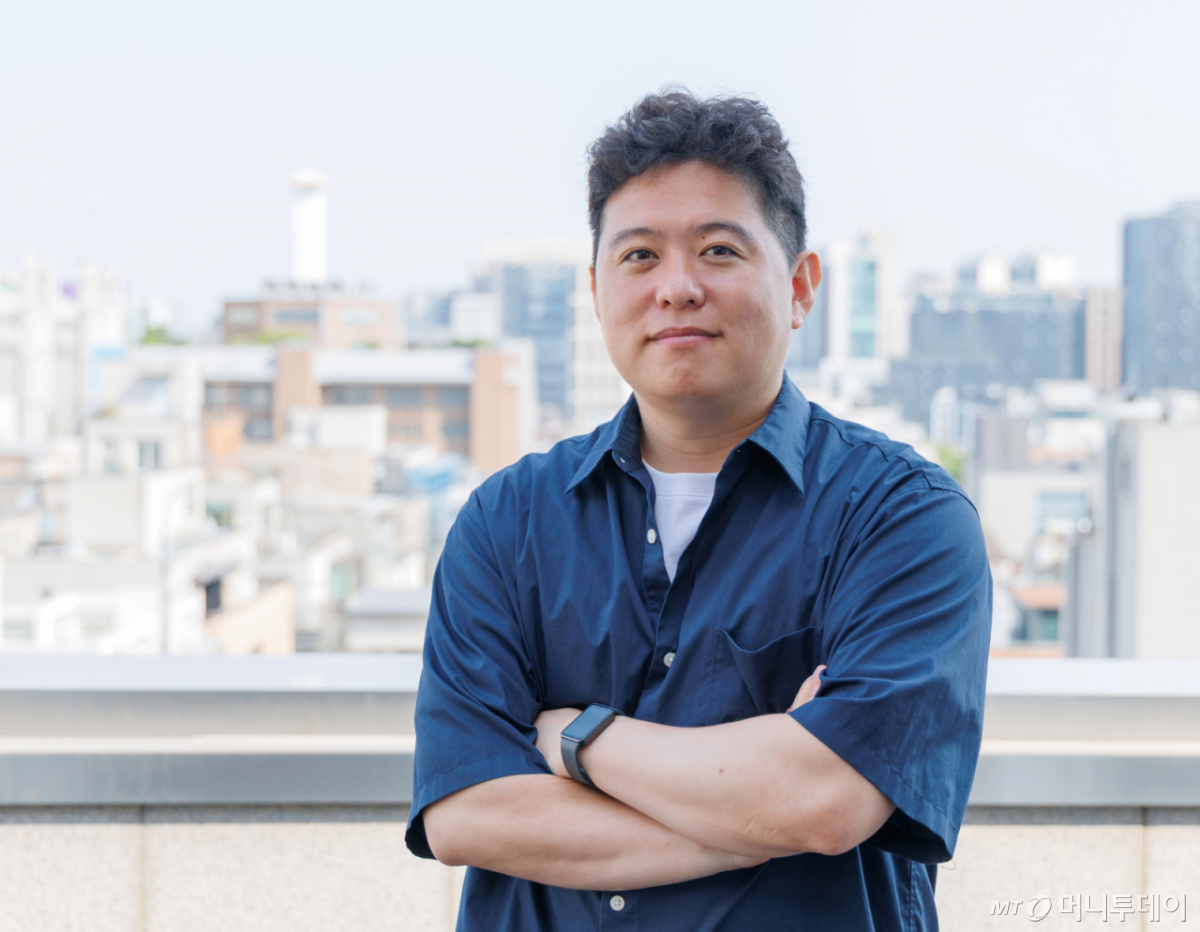
▲Jo Sung-won, NewType Industries CEO='There are some regrets in the defense industry field. The government's will to nurture must be translated into execution power by relevant ministries. I hope for practical system cases where small startups can protect their intellectual property (IP) and go straight to operational deployment within one year.'
▲Kang Min-seung, Tinaps CEO='Funding supply and concentration on strategic industries are excellent, but regulatory clarity and details are lacking. I hope a fast track will be established to relax existing performance or certification requirements when public institutional investors adopt new technologies in the future.'
▲Go Dong-wook, Viscat CEO='The direction of supporting technology startups is good, but I hope the threshold is lowered so that budgets are not concentrated on trendy specific keywords and various companies can benefit together. I hope a clear ladder will be provided to support PoC and reference acquisition, enabling startups to create their first customers.'
[MoneyToday startup media platform Unicorn Factory]

 in FUTURE


