

[For more diverse corporate information on the startups mentioned in this article, please refer to the "Data Lab" of the Unicorn Factory big data platform .]
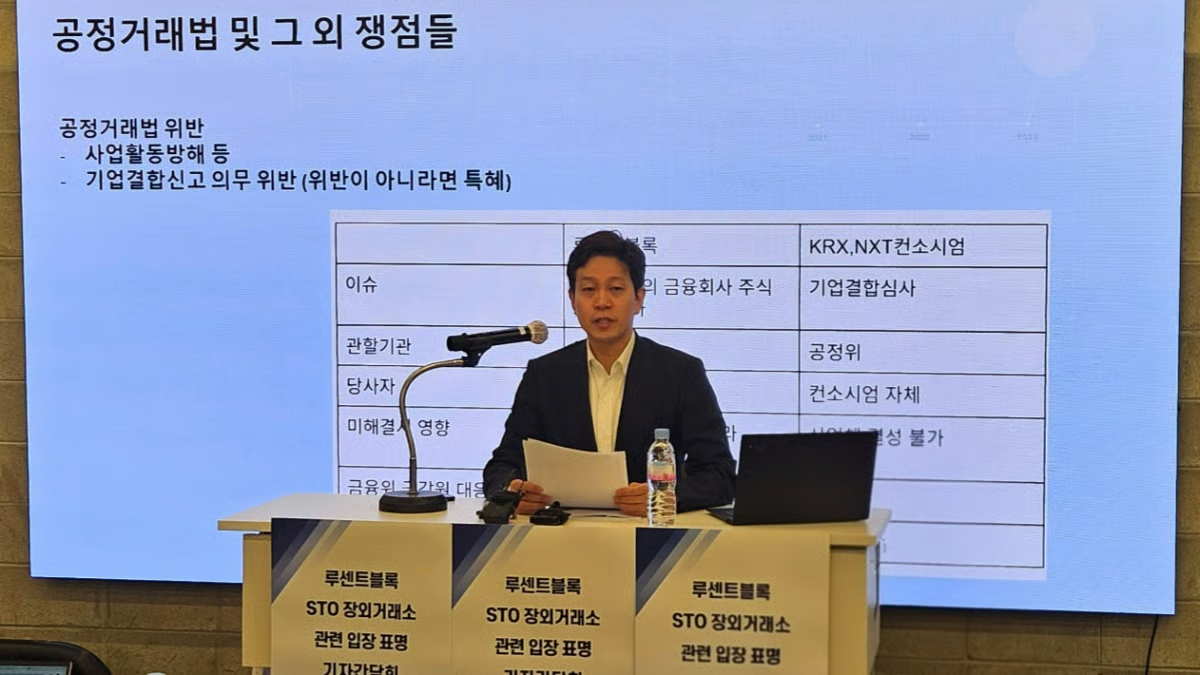
Amid ongoing concerns over procedural fairness regarding startup 'Lucent Block', which failed the preliminary licensing review for a securities token offering (STO) off-exchange in February last year, attention is turning to whether the surrounding controversy will emerge as a major issue in political circles.
According to startup industry sources on the 7th, Heo Se-young, CEO of Lucent Block, will appear as a witness at the National Assembly Political Affairs Committee's audit of the Financial Services Commission scheduled for the 8th. Heo (CEO) is expected to respond to lawmakers' inquiries regarding the preliminary licensing process for STO off-exchanges and the issue of regulatory sandbox operators entering the formal financial system.
Following Vice Chairman Park Yong-jin of the Regulatory Rationalization Committee, which operates directly under Choi Geun (President), publicly calling for Lucent Block to be given another chance, startup industry stakeholders are closely watching whether this audit will serve as an opportunity to find a substantive solution, given that related issues are set to be addressed during the session.
Market-validated but failed at the threshold of institutionalization
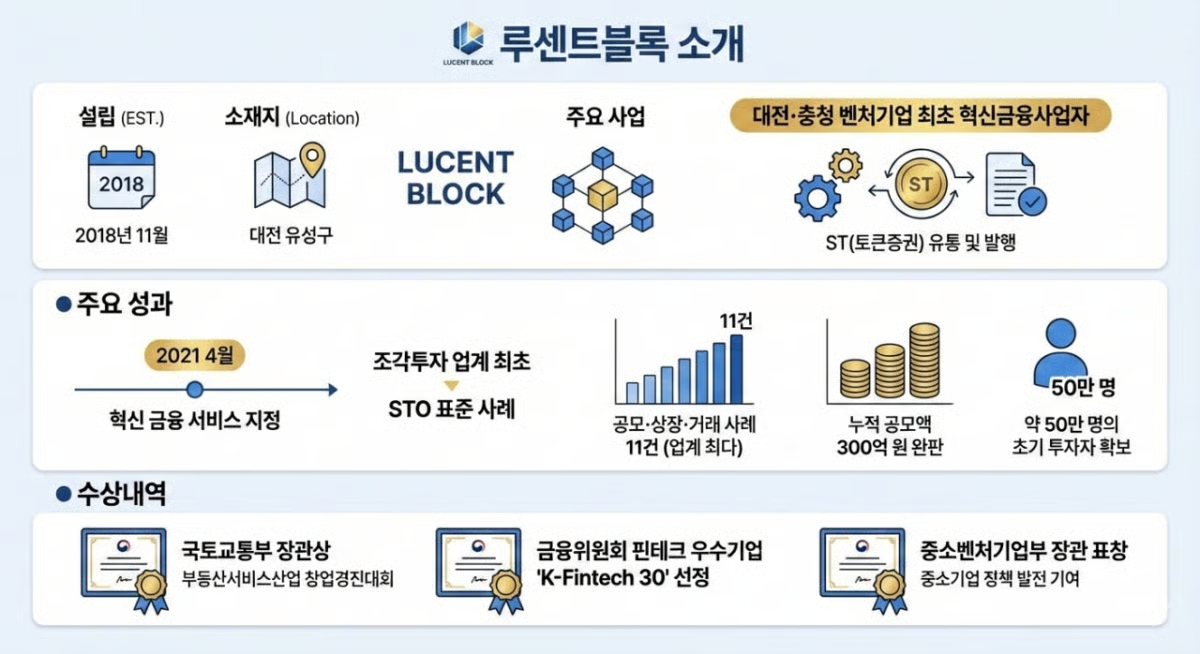
Founded in 2018, Lucent Block is a fintech startup operating the real estate fractional investment platform 'Soyu' (Ownership). After being designated as an innovative financial service by the Financial Services Commission in 2021—the first venture company outside the capital region to receive such designation—it has been demonstrating the issuance and distribution structure of fractional investment products within the regulatory sandbox.
Lucent Block established an electronic registration securities structure that separates the trust company, the Korea Securities Depository, and the account management institutional investor. The platform's cumulative membership stands at approximately 500,000, with a cumulative investment amount of 30 billion won. Lucent Block has emphasized that no financial incidents occurred during its four years of operating distribution services.
However, the Financial Services Commission selected the KDX consortium, involving Korea Exchange and KOSCOM, and the NXT consortium led by Nexttrade as preliminary licensees for STO off-exchanges in February last year. Lucent Block, which applied alongside them, was rejected.
Industry criticism has continued over the fact that an operator with a track record of running fractional investment distribution services received the lowest score in its business plan, arguing that the review criteria and evaluation process must be adequately explained.
Criticism also emerged regarding the Financial Services Commission's description of this licensing as "the institutionalization of existing sandbox businesses" during the policy introduction process, while effectively placing new applicants and existing demonstration operators on the same starting line in the actual review.
Park Yong-jin: "Should not let them run in the sandbox and then sit them on the bench"
Following the announcement of the preliminary licensing results, issues have been raised repeatedly within political circles. Democratic Party of Korea lawmaker Min Byung-deok conveyed to the Financial Services Commission an opinion requesting that while the definitive licensing procedures for existing preliminary licensees proceed as planned, opportunities for re-challenge be opened so that companies like Lucent Block can apply for additional preliminary licenses.
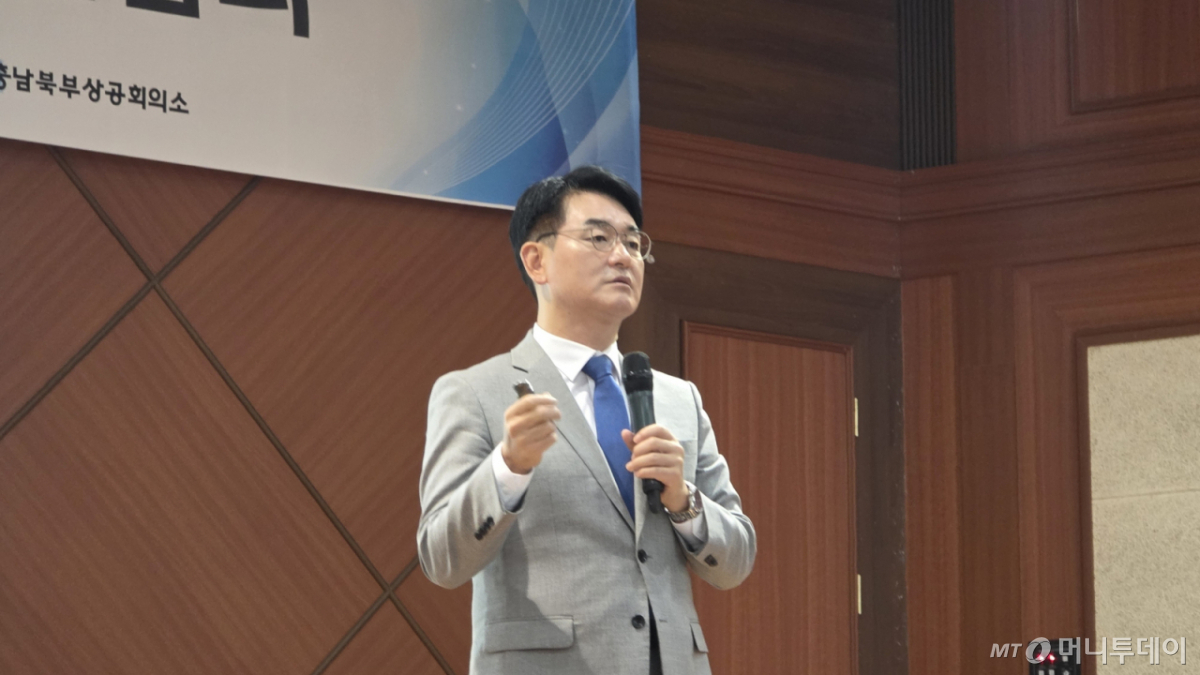
Vice Chairman Park Yong-jin publicly voiced support after meeting with Heo (CEO) in Daejeon last August to hear related concerns. He stated, "If a company has demonstrated its potential by conducting real-world tests and creating a market over several years, it should have the opportunity to compete once again in the main game following institutionalization."
He further pointed out, "The government opened the playground of the regulatory sandbox and told innovative companies to run freely," adding, "It must not be the conclusion of regulatory innovation to put them on the bench just as the main game begins."
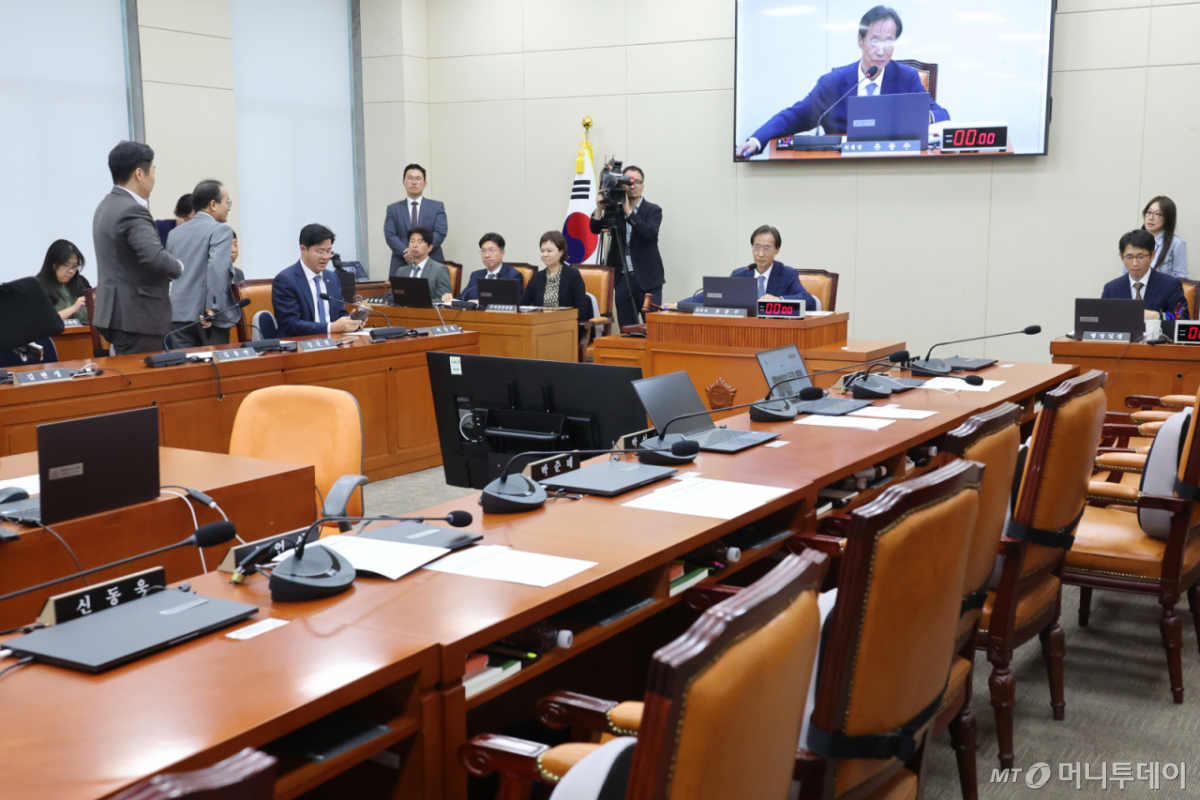
This audit serves as a stage for the Lucent Block case to be re-publicized following Vice Chairman Park's raising of the issue. Given that Heo (CEO) is directly appearing before the National Assembly, key topics of inquiry are expected to include the basis for limiting the number of preliminary licensees to two, evaluation criteria, and whether sandbox demonstration performance will be reflected.
"A trust issue regarding the government's overall regulatory sandbox policy"
The startup industry is paying close attention to the Lucent Block case because this controversy could extend beyond a specific company's licensing failure to become a trust issue regarding the government's overall regulatory sandbox policy.
The regulatory sandbox is a system that suspends regulations for a certain period, allowing companies to test services in emerging industries where laws and institutions have not yet been established. Companies verify the market while bearing costs and risks, and the government designs related institutions based on those results.
A fintech startup official expressed concern, stating, "In the case of Lucent Block, a startup lacking capital strength pioneered a high-risk early-stage market; however, once market viability was confirmed, it could be recorded as a precedent and starting point where large financial institutional investors take away the results."
Indeed, first-generation operators have continued to exit the fractional investment market. Casa, the first real estate fractional investment operator, ended its service last August, while Funble received a bankruptcy declaration prior to that. Some innovative financial service providers were unable to even launch their services.
The industry views whether additional preliminary licensing will be granted to Lucent Block as an important signal for other startups in regulated industries. Attention is focused on whether specific solutions, such as schedules for additional preliminary licenses or re-challenge procedures for sandbox operators, will be presented at this Political Affairs Committee audit.
A startup industry official said, "I understand that both ruling and opposition parties have been working to resolve the Lucent Block issue," adding, "We hope discussions will take place on how innovative companies that pioneered the market can compete fairly again, setting aside political interests."
[MoneyToday Startup Media Platform 'Unicorn Factory']

 in FUTURE


