

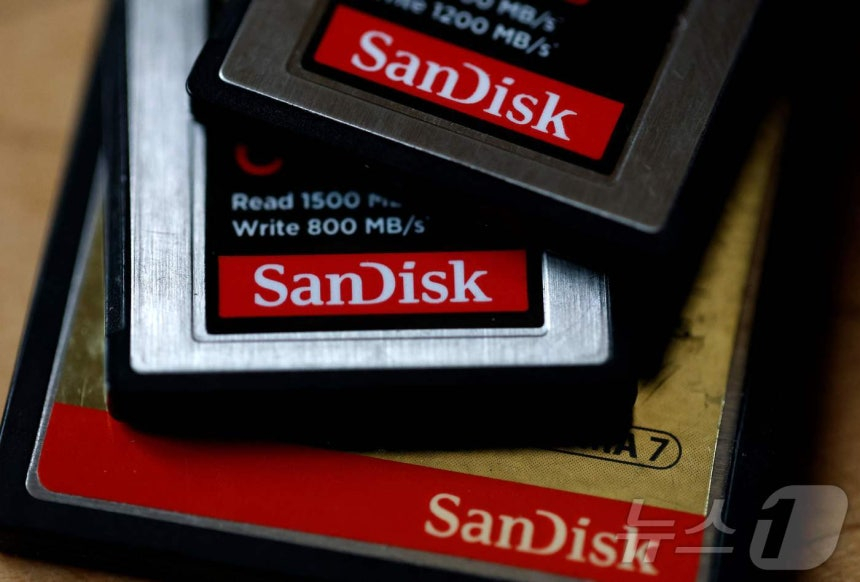
As the shortage of memory semiconductors (hereinafter "memory") continues, long-term supply agreements (LTAs) are spreading across the industry. Following Samsung Electronics, SK Hynix, and Micron—the so-called "three major memory companies"—SanDisk and Nanya Technology have also launched efforts to secure medium- to long-term demand through LTAs. With memory manufacturers' production capacity failing to keep pace with rising demand, expectations are growing that the current supply shortage will persist until at least 2028.
According to industry sources on the 8th, U.S. NAND flash (hereinafter "NAND") manufacturer SanDisk announced on the 5th (local time) during its fourth-quarter fiscal year 2026 earnings announcement that it had signed LTAs with eight key customers in data center and edge computing sectors. In this quarter alone, SanDisk added five new LTAs, including three new customers. SanDisk ranked fourth globally in the NAND market by first-quarter revenue, trailing behind Micron and YMTC.
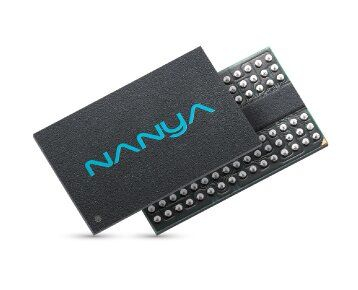
Taiwanese Nanya Technology, which holds the fifth-largest share of the global DRAM market, recently announced during its earnings announcement that LTAs account for 50% of its total production capacity. Industry observers believe Nanya Technology is expanding LTAs that pre-secure supply volumes while allowing prices to adjust flexibly based on market conditions. The contract period has reportedly been extended from one year to at least two years.
The spread of LTAs stems from the memory shortage. As supply fails to match the pace of demand growth, competition among customers to secure supply volumes has intensified. This aligns with SK Group Chairman Choi Tae-won's remarks last month at a "Korea Chamber of Commerce and Industry Jeju Forum press conference," where he stated, "Customers are seeking 5 to 6 times more supply than current levels within the next five years."
As competition to secure supply volumes intensifies, the scope of long-term contracts is expanding beyond the three major memory companies. Samsung Electronics, SK Hynix, and Micron have already signed typical five-year LTAs with key customers. David Goeckeler, CEO of SanDisk, emphasized, "We aim to move away from the recurring cycles of boom and bust that have not benefited everyone," adding, "Our goal is to build deeper relationships with customers and develop long-term plans."
With greater visibility into medium- to long-term demand, memory manufacturers are also expanding investments. Nanya Technology plans to invest a record total of 346.6 billion U.S. dollars (approximately 15 trillion won) in its fabs by 2029. This year's equipment investment has been revised upward by about 34%, from 52 billion U.S. dollars to 69.7 billion U.S. dollars. Consequently, production capacity is expected to expand to 35,900 wafers (300mm) by 2029. Previously, the three major memory companies also announced large-scale investment plans.
Nevertheless, the memory shortage is expected to continue for the foreseeable future. Although manufacturers are simultaneously expanding production capacity, it takes at least two to three years for new production lines to translate into actual supply. Kim Dong-won, head of research at KB Securities, stated, "Only 60% to 70% of memory demand from big tech customers was met in the third quarter this year," and projected, "Excess demand over supply will roll over annually and persist until 2028."
An industry insider remarked, "In the past, long-term contracts were primarily concluded with select major customers, but as the supply shortage has prolonged, securing stable volumes has become more important than price negotiations," and emphasized, "The spread of LTAs beyond the three major memory companies signifies a shift in the focus of memory transactions from short-term price bargaining to medium- to long-term volume security."

 in INDUSTRY

