

DL Chemical is pushing forward with the sale of global medical synthetic rubber company Cariflex to secure new growth drivers. DL Chemical, which has built its global competitiveness centered on high-value-added specialty businesses, aims to strengthen a virtuous cycle in which the value of existing businesses is reinvested into future growth ventures through this transaction.
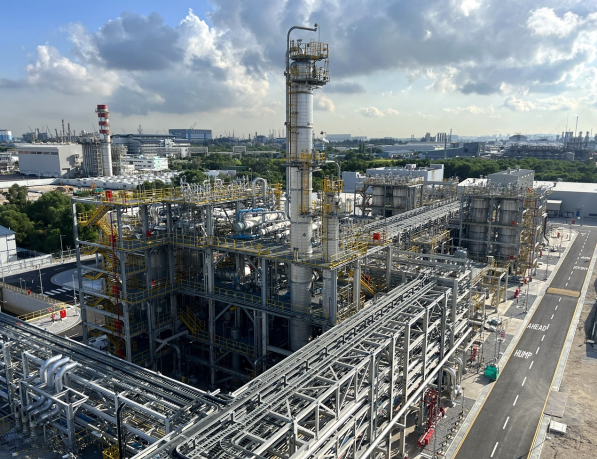
On the 4th, DL Chemical signed a binding memorandum of understanding (MOU) with Glanwood Private Equity (PE) for the sale of Cariflex. The two parties are currently negotiating specific transaction terms for the definitive contract. In 2020, DL Chemical acquired Cariflex from U.S.-based Kraton for approximately 620 billion won. Following the acquisition, DL Chemical moved to expand production capacity in response to growing global demand. In 2021, it invested approximately $50 million to expand its production facility at the Paulinia plant in Brazil, and starting in 2022, it began building a new production hub on Jurong Island in Singapore.
DL Chemical has grown Cariflex into the world's leading company in the global medical polyisoprene latex market. It holds approximately 75% market share in the U.S. isoprene-based synthetic rubber surgical glove market. The profitability of the business has also been demonstrated. Last year, Cariflex recorded revenue of 242 billion won and an operating profit of 50.7 billion won. Its operating profit margin was approximately 21.0%.
Cariflex's polyisoprene materials are used in medical and hygiene fields where safety and quality are critical, such as surgical gloves and medical rubber stoppers. The synthetic latex, which applies proprietary anionic polymerization technology, is characterized by reproducing the elasticity and softness of natural rubber while not containing natural latex proteins. In particular, surgical gloves are consumables that are continuously required for medical procedures, meaning their demand structure differs from that of general consumer goods. Cariflex is pushing to expand its medical synthetic latex business base, built primarily in the United States, to other regions including Europe.
If the sale of Cariflex is successfully completed in the future, DL Chemical plans to utilize the secured funds for discovering new growth businesses and securing investment opportunities, thereby elevating its business portfolio to the next level. DL Chemical's business portfolio is differentiated from a production and sales structure centered on general-purpose petrochemical products. The company has built this competitiveness by focusing on polybutene (PB) and ethylene propylene oligomer (EPO), which it commercialized using in-house technology, as well as high-performance polymers and bio-based materials from its global subsidiary Kraton.
Polybutene, a representative product, holds a leading position in the global market based on proprietary synthesis and manufacturing technologies. As of 2025, its production capacity is 220,000 tons per year. Kraton is a global specialty company that supplies differentiated materials such as styrene block copolymers (SBC) and high-value-added biochemicals. After undergoing an earnings adjustment process last year, it has shown signs of recovering profitability this year. In the third quarter, Kraton's operating profit was 73.1 billion won, a significant increase from 3 billion won in the same period last year.
While pushing forward with joint business restructuring for its domestic general-purpose polyethylene (PE) business, DL Chemical is also accelerating its transition to a portfolio centered on high-value-added products. The relevant business restructuring plan received government approval in July, and specific business integration procedures are being advanced. As of the end of 2025, DL Chemical's total capital on a standalone basis was 2.2283 trillion won, an increase of 273.8 billion won from the end of the previous year. During the same period, its debt ratio decreased from 106.4% to 84.2%, and cash and cash equivalents expanded from 70.6 billion won to 182.9 billion won.
DL Chemical is actively seeking new investment opportunities based on the competitiveness of its existing businesses. If the sale of Cariflex is ultimately completed, it will secure additional financial capacity to discover new growth businesses and expand its business portfolio. The company plans to pursue investments in future growth ventures and elevate its business centered on high-value-added specialties, while also actively cooperating with the government's petrochemical industry structural reform policies.
A DL Chemical official said, "We plan to continue discovering new growth opportunities based on our technological competitiveness and business operation experience accumulated in the global market, and to pursue continuous elevation of our business portfolio."

 in INDUSTRY
