

EcoPro is expanding its product portfolio targeting the next-generation battery materials market. Based on its existing core business of high-nickel cathode materials, the company plans to target the high-energy-density market with all-solid-state materials and the mid-to-low-end market with LMR (lithium-manganese-rich) and sodium-ion cathode materials, respectively. Leveraging its nickel supply chain in Indonesia, EcoPro aims to secure cost competitiveness and cover the entire next-generation battery market.
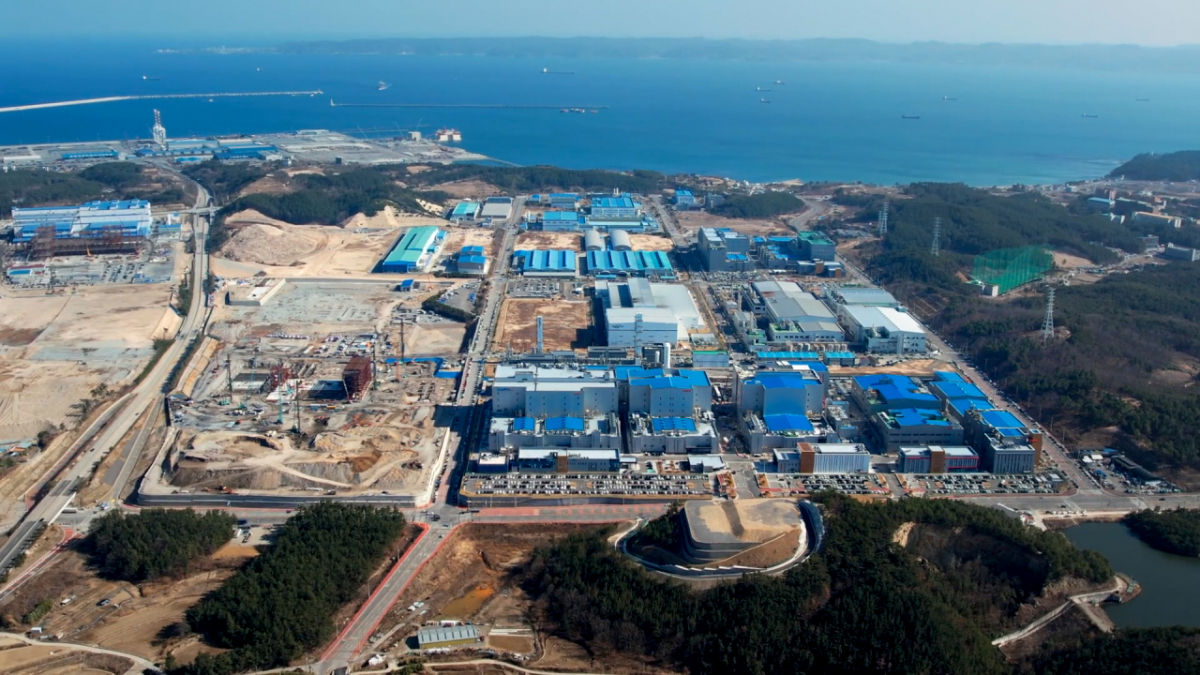
According to industry sources on the 13th, EcoPro has completed major customer validation for sulfide-based solid electrolytes and is currently reviewing Yangsan. The company expects Yangsan to be feasible as early as 2027 and has already finalized the design plans for the Yangsan line. All-solid-state batteries are next-generation batteries that replace conventional liquid electrolytes with solid electrolytes to enhance energy density and safety.
Technical preparations for commercialization of cathode materials have also progressed significantly. In developing cathode materials for all-solid-state batteries, it is crucial to master surface coating technology based on existing high-nickel materials. EcoPro BM holds technology for high-nickel cathode materials with nickel content exceeding 90%, making it advantageous to extend its existing material expertise to cathode materials for all-solid-state batteries.
Based on this, EcoPro is expected to target the high-end electric vehicle market and future mobility markets requiring high energy density. In particular, since all-solid-state batteries can achieve higher energy density than conventional lithium-ion batteries, the company plans to expand applications to humanoid robots and urban air mobility (UAM).
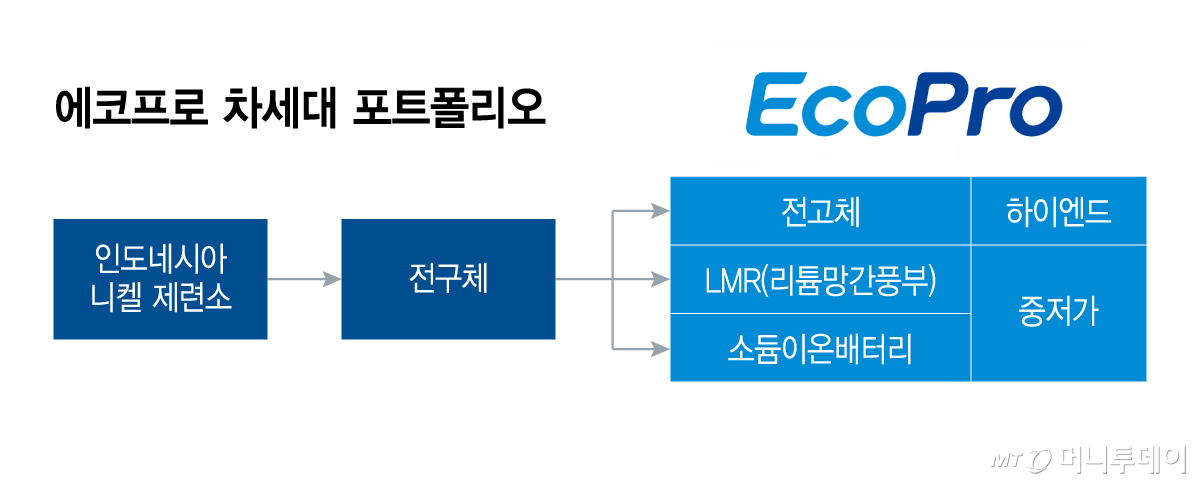
EcoPro's next-generation materials strategy also covers mid-to-low-end product lines. Representative examples include LMR, which increases manganese content in ternary batteries, and cathode materials for sodium-ion batteries that utilize sodium, a resource with relatively abundant reserves compared to lithium. Development is underway centered on EcoPro Materials, a group company. For LMR, the company is coordinating sales schedules with new customers in North America. For sodium-ion battery cathode materials, EcoPro plans to secure a foundation for next-generation low-cost battery business by conducting joint development with customers.
Unlike all-solid-state batteries that target mobility as their primary focus, mid-to-low-end materials first aim at the ESS (energy storage system) market. With the rapid growth of the ESS market driven by increasing power demand due to the expansion of AI data centers, EcoPro intends to secure initial demand in ESS, which has a relatively lower barrier to entry compared to electric vehicles.
EcoPro's choice of LMR and sodium-ion batteries as next-generation mid-to-low-end battery materials is also attributed to its ability to leverage its existing nickel value chain. Unlike LFP (lithium iron phosphate), LMR and sodium-ion battery cathode materials require a certain amount of nickel. Rather than completely shifting its business domain to materials that do not use nickel, EcoPro has opted for next-generation materials that can utilize the technology and supply chain accumulated from its existing high-nickel business.
The group's strategy to strengthen raw material supply chains aligns with next-generation portfolio development. EcoPro Group is investing in a nickel smelter in Indonesia to secure stable nickel raw materials and connect them to precursors and cathode materials through a "vertical integration" strategy. Following its investment in IMIP (Indonesia Morowali Industrial Park), which secured annual nickel supply rights of 29,000 tons, EcoPro has added another 36,000 tons through investment in BNSI (Indonesia Nickel Smelter), securing a total of 65,000 tons of nickel supply rights.
An EcoPro official stated, "Based on next-generation materials that can leverage EcoPro's nickel value chain, we will target everything from mid-to-low-end electric vehicles to future platforms such as humanoid robots."

 in INDUSTRY

