

POSCO Future M has agreed to supply approximately 1 trillion won worth of LFP (lithium iron phosphate) cathode materials to SK On. As a materials company now supplying both cathode and anode materials to all three major Korean battery makers—LG Energy Solution, Samsung SDI, and SK On—the company is expected to gain further momentum in its related businesses.
POSCO Future M announced on the 22nd that it signed a supply contract for LFP cathode materials worth 1 trillion 74.2 billion won with SK On. The contract period runs from 2027 through 2029. Under mutual agreement between the two companies, the supply contract can be extended by an additional two years.
This marks the first time POSCO Future M will supply cathode materials to SK On. Until now, the company has supplied both cathode and anode materials to LG Energy Solution and Samsung SDI, while providing only anode materials to SK On. With this contract, a stronger alliance with Korea's three major battery companies is taking shape. A POSCO Future M executive stated, "This expands our customer portfolio and further solidifies our foundation for medium- to long-term growth."
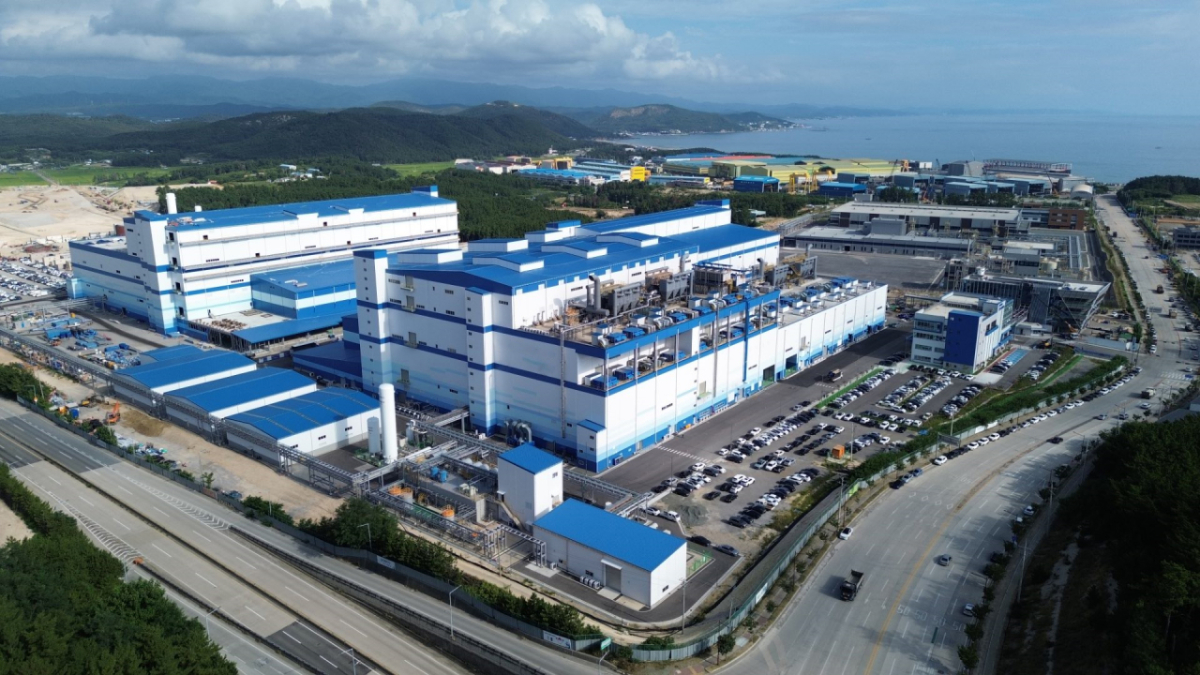
POSCO Future M is actively responding to customer demand by adding LFP cathode materials to its existing portfolio centered on ternary systems (NCM·NCA). Recently, the company completed converting part of its high-nickel cathode material production line at the Pohang plant into an LFP cathode material production line. It plans to begin supplying from the Yangsan facility by the end of this year. POSCO Future M intends to continue expanding its production capacity by converting additional lines in response to incoming orders.
Cooperation within the POSCO Group for raw material supply chains is also a key strength. POSCO Future M has decided to produce and supply LFP cathode materials with enhanced cost competitiveness and quality by applying a new process utilizing lithium from salt lakes in Argentina in the future.
LFP batteries offer lower output compared to ternary system batteries such as NCM (nickel-cobalt-manganese) and NCA (nickel-cobalt-aluminum), but their strengths lie in price competitiveness and long lifespan. With recent expansions of data centers for AI (artificial intelligence) applications driving a sharp increase in power demand, demand for LFP batteries used in ESS (energy storage systems) to ensure stable power supply is growing. In the electric vehicle market, there is also a trend toward increased adoption of LFP batteries, particularly in entry-level models.
POSCO Future M continues negotiations with major battery and automakers on cathode and anode material supply agreements, leveraging its supply chain capabilities, technological strength, and diverse product portfolio to respond to global trade regulations. In March, the company signed a long-term supply contract for synthetic graphite anode materials worth 1 trillion won with a global automaker. It is also accelerating efforts to expand production capacity, including plans to invest approximately 357 billion won to build a new synthetic graphite anode material plant in Vietnam. A spherical graphite processing plant, which produces intermediate raw materials for natural graphite anode materials under construction at the Saemangeum National Industrial Complex in Jeollabuk-do, is scheduled to begin trial operations in early 2027.
In July, the POSCO Group announced its future growth strategy, establishing a "Triple-core" system encompassing industrial resources (steel), strategic resources (lithium, cathode and anode materials, rare earths, etc.), and energy resources (LNG, renewable energy). A POSCO Future M executive said, "We will enhance our business competitiveness and expand markets based on breakthrough technologies. We are committed to becoming a global leader in the cathode and anode material business, which is one pillar of the group's strategic resources."

 in INDUSTRY
