

Hyundai Motor will launch a full-fledged "new car cycle," releasing more than 100 products, including new models and facelifts, under the Hyundai and Genesis brands by 2030.
In its quarterly report disclosed on the 16th, Hyundai revealed this plan, explaining that it intends to "strengthen the competitiveness of global models while expanding region-specific strategic models, with more than 18 of the total products to be launched composed of new products or segments such as pickups and light commercial vehicles."
Additionally, Hyundai will enhance local market competitiveness based on capabilities built by region. It plans to expand its global production capacity by a total of 1.27 million units by 2030, including 500,000 units in North America, 320,000 in India, 200,000 in Korea, and 250,000 at CKD (Completely Knocked Down) hubs. Through this strengthening of the local production system, the company aims to improve its ability to respond to tariff and supply chain risks, as well as to swiftly and efficiently supply products suited to customer demand by region.
In North America, a core market for Hyundai, the company plans to launch 10 new HYBRID models by 2030 and achieve 50% of total sales through HYBRIDs. Starting in the first half of next year, it will release its first EREV (Extended Range Electric Vehicle) model, aiming to provide an electrified vehicle that offers a driving experience comparable to that of a battery electric vehicle while being relatively free from charging burdens.
In Europe, Hyundai will expand electric vehicle sales based on its electrification portfolio and leverage local production capabilities to enhance regulatory compliance and profitability. In India, the company plans to increase the share of SUV (Sport Utility Vehicle) sales to 80% by 2030, launching new locally strategic SUVs to this end. It also aims to strengthen its role as a global manufacturing hub by pushing for expanded production capacity centered on its Pune plant.
Korea, the cradle of Hyundai's global growth, will continue to serve as a hub for manufacturing innovation. The Ulsan electric vehicle new plant is set to be elevated into a Software Defined Factory (SDF) by applying next-generation manufacturing innovation technologies. Furthermore, the company aims to strengthen its leadership in advanced technology through investments in future mobility areas such as batteries, Software-Defined Vehicles (SDV), and Physical AI (Artificial Intelligence).
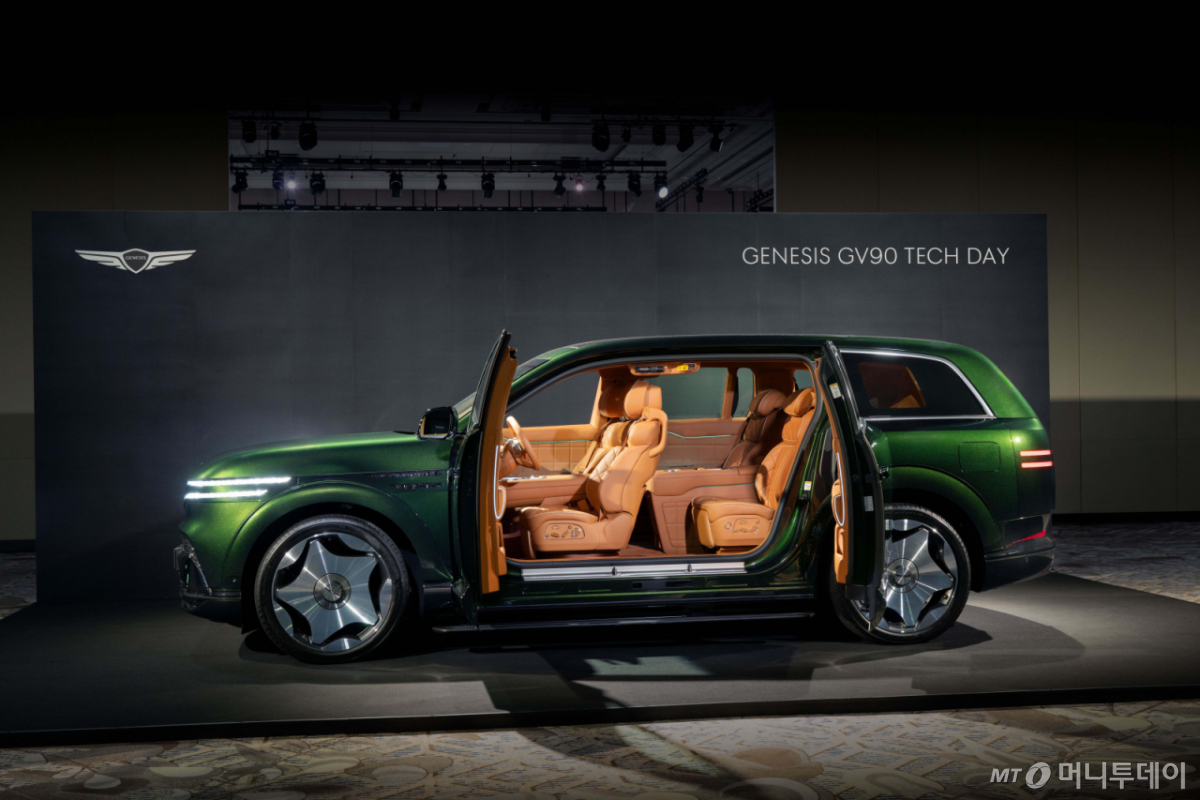
Genesis, which has passed the 10th anniversary of its brand launch and is entering the first year of a new decade, will actively expand its electrification portfolio with the GV80 HYBRID and an EREV scheduled for release next year. In addition, it aims to strengthen differentiated luxury experiences and brand competitiveness through the launch of the flagship SUV GV90 and the Magma high-performance lineup, as well as participation in endurance racing. The company plans to expand its presence into major European countries as well as the Indian and ASEAN markets, targeting annual sales of 350,000 units in more than 40 markets by 2030.

 in INDUSTRY
