

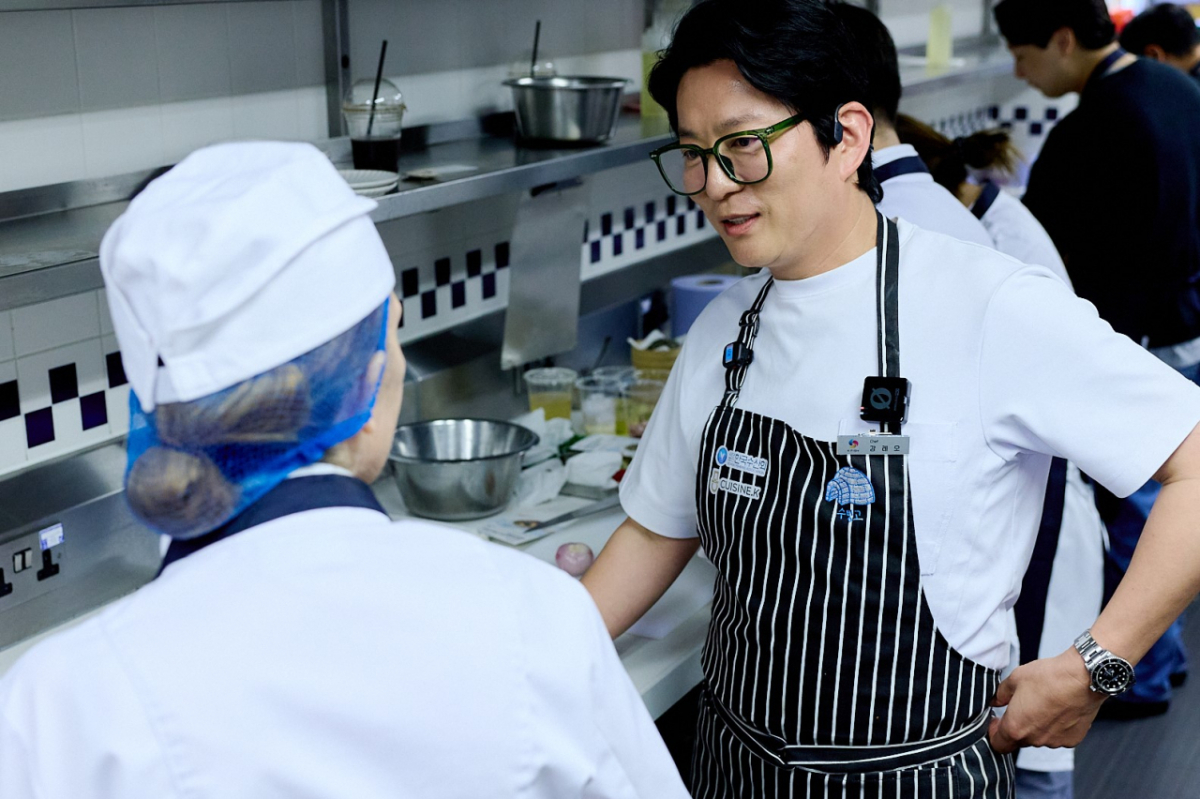
"Korean ingredients possess both quality and price competitiveness. In particular, seafood is fully competitive even in overseas markets."
Chef Kang Reo described the competitiveness of Korean ingredients this way. MoneyToday met with Chef Kang in London, UK, on the 9th (local time) to hear about the potential for K-food’s overseas expansion and its localization strategy. He became known as a judge on "MasterChef Korea" and has also served as an ambassador for the global promotion of Korean cuisine.
The competitive ingredients highlighted by Chef Kang include seaweed sheets, wakame, kelp, abalone, and yellowtail. He stated, "Korea farms and exports these items in large quantities globally," adding, "If we inform consumers accustomed to Japanese food about the competitiveness of Korean products, there is a sufficient chance of success."
The competitiveness of ingredients does not immediately lead to the popularization of Korean cuisine. Chef Kang emphasized that Korean food must become part of locals’ everyday meals. He judged that in London, Korean cuisine has yet to reach the level of popular foods such as salads, sandwiches, sushi, and sashimi.
What he focused on was the method of incorporating Korean cuisine into local dishes. A restaurant near Spitalfields Market in London sells a toast topped with kimchi and Brie cheese as a breakfast menu item. He explained that since the popularity of Korean culture, such as K-pop and dramas, is leading to interest in Korean food, it is essential for Korean cuisine to take its place in locals’ daily lives.
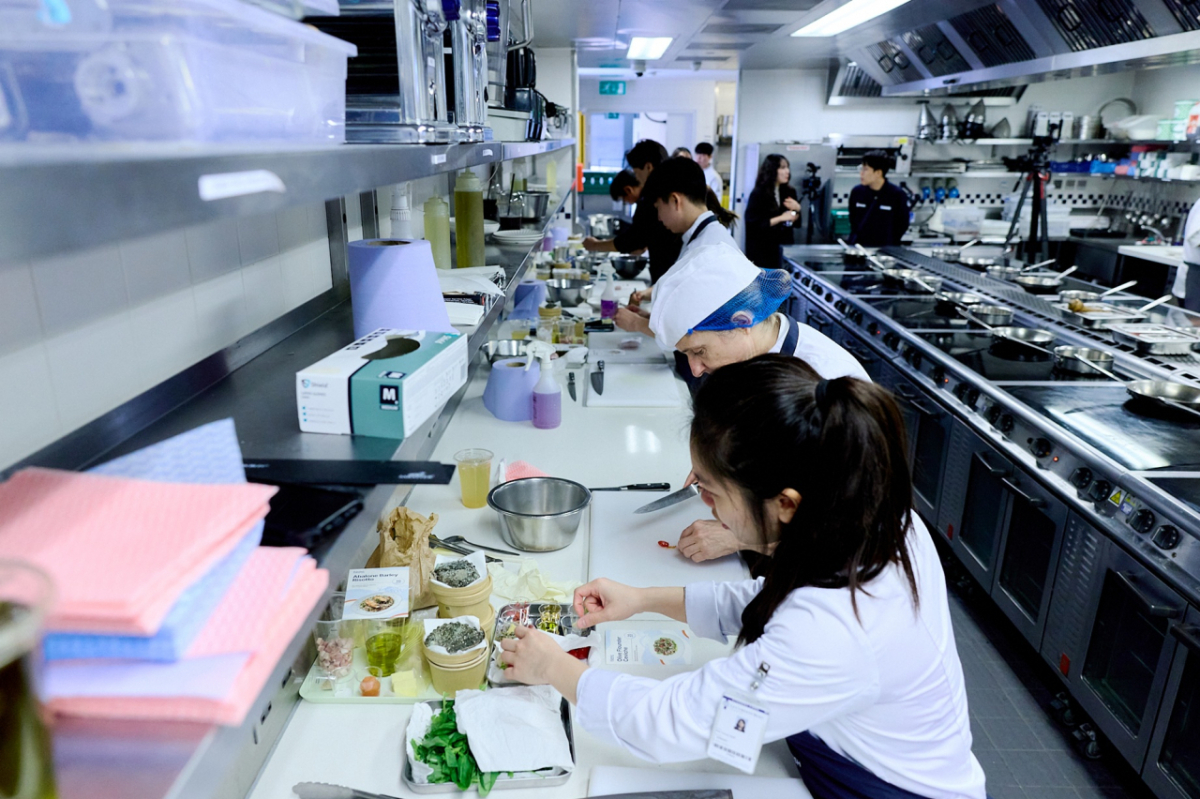
He also pointed out the importance of cultivating culinary personnel capable of properly presenting Korean cuisine overseas. This is why he proposed a plan for graduates of CJ CheilJedang’s Korean cuisine talent development program, "Cuisine K," to participate in overseas pop-ups or restaurant operations. He said, "People without sufficient skills are opening restaurants indiscriminately," adding, "We must support food culture education for restaurant entrepreneurship."
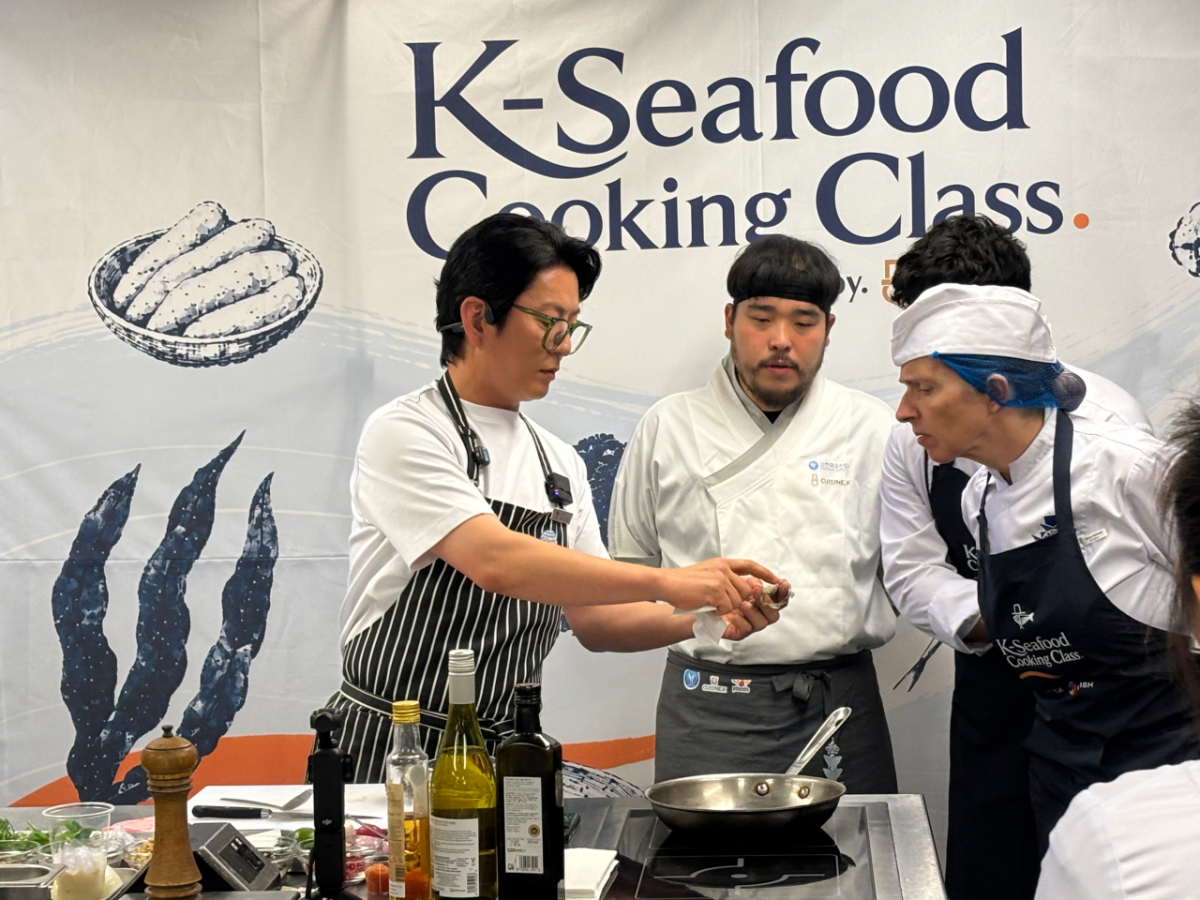
The potential of Korean ingredients mentioned by Chef Kang could be confirmed at the London cooking class. On the 9th, in the culinary practical training room at Le Cordon Bleu in London, he personally demonstrated how to prepare abalone to students. Fresh abalone is an exotic ingredient locally, to the extent that some trainees may be encountering it for the first time. As he explained how to remove the abalone’s teeth, the students’ gazes focused on his fingertips. In this class, they made abalone risotto and yellowtail ceviche. This event, organized by CJ CheilJedang and the Korea Fisheries Association, was held to promote methods of utilizing Korean ingredients in local cuisine.

 in LIVING


