

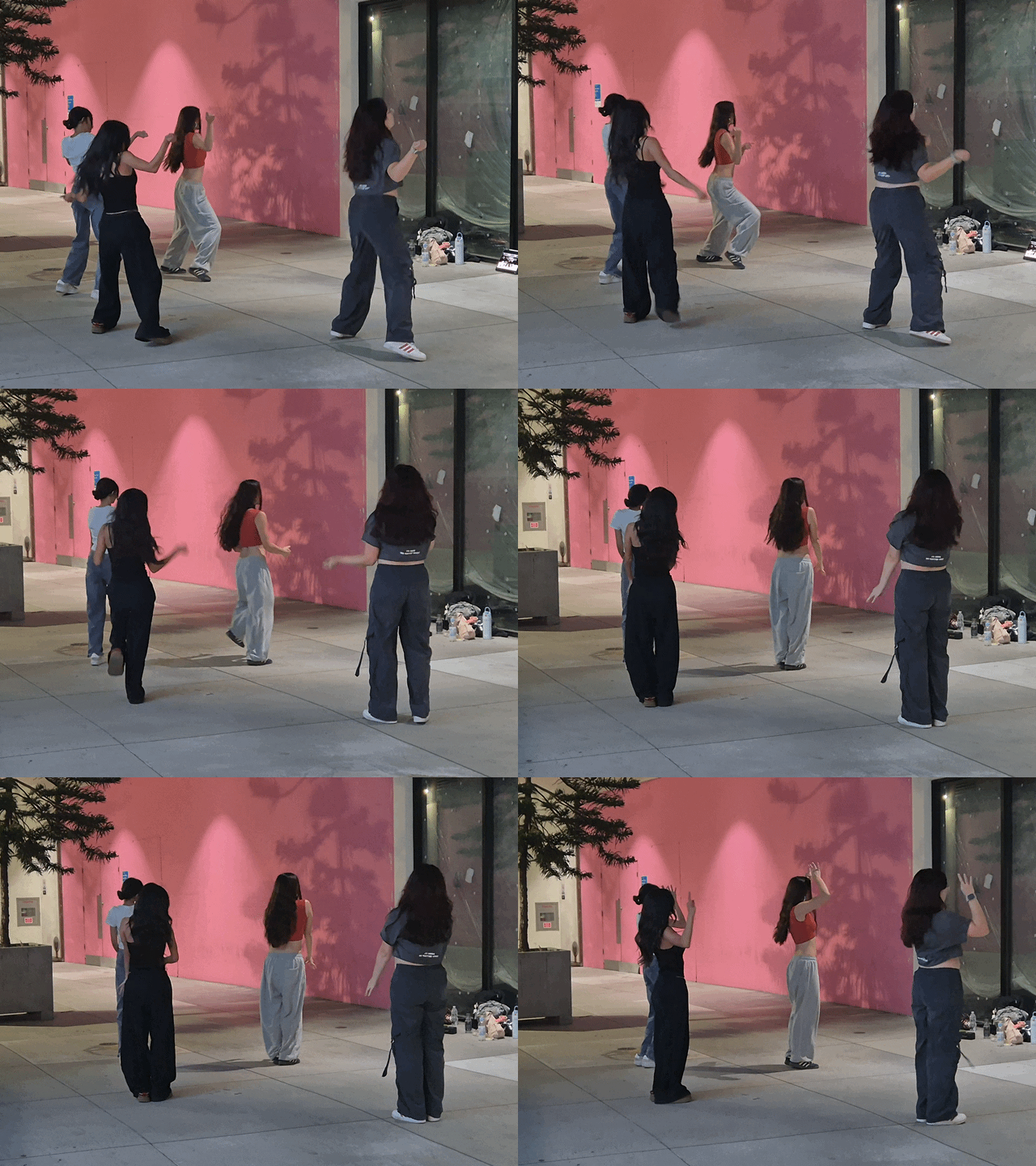
On the 20th of last month (local time), on a street near Buena Park, California, U.S., college students began dancing to the music as "Ttiroli" by the Korean idol group MEOVV played out. Elia (21), who attends university in San Diego, said he practices K-pop dance with friends after classes end. He stated, "I was introduced to K-pop for the first time through a friend."
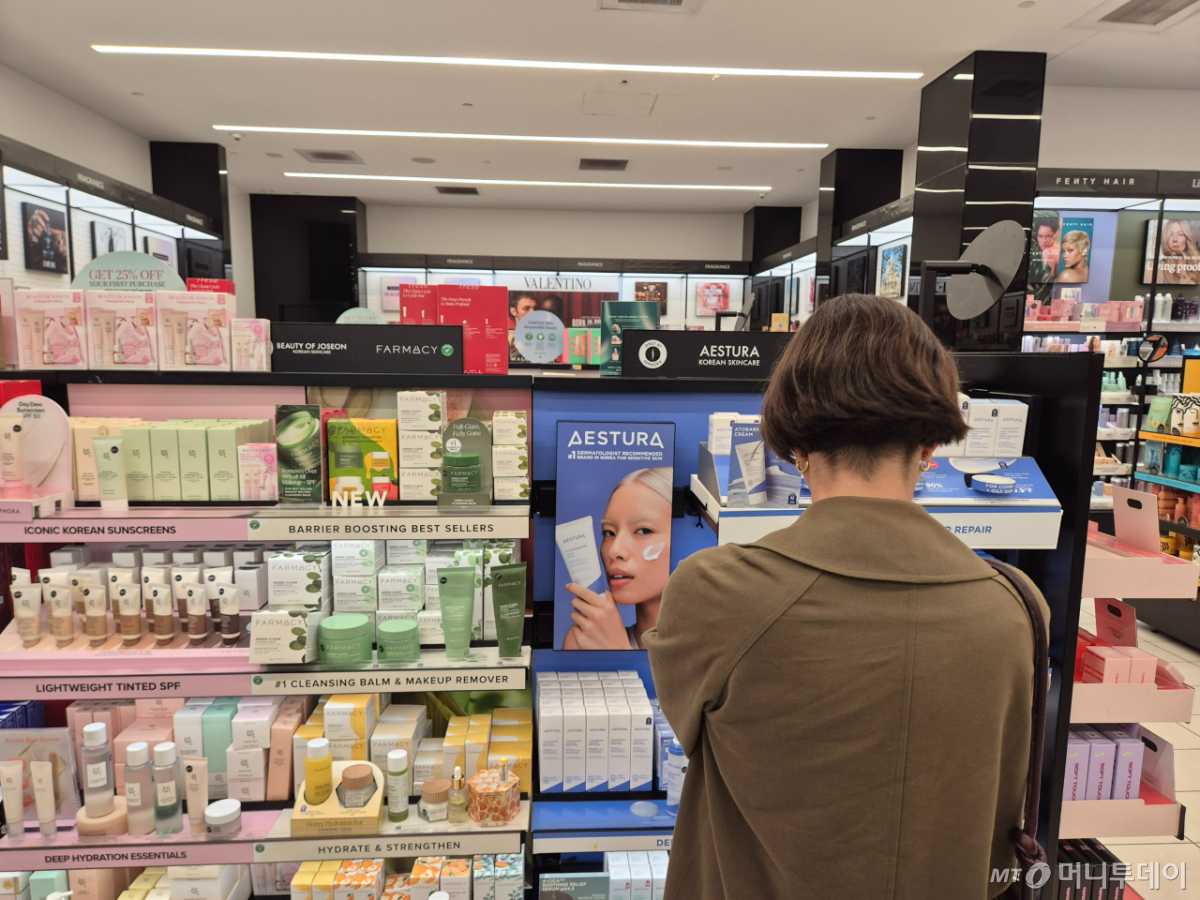
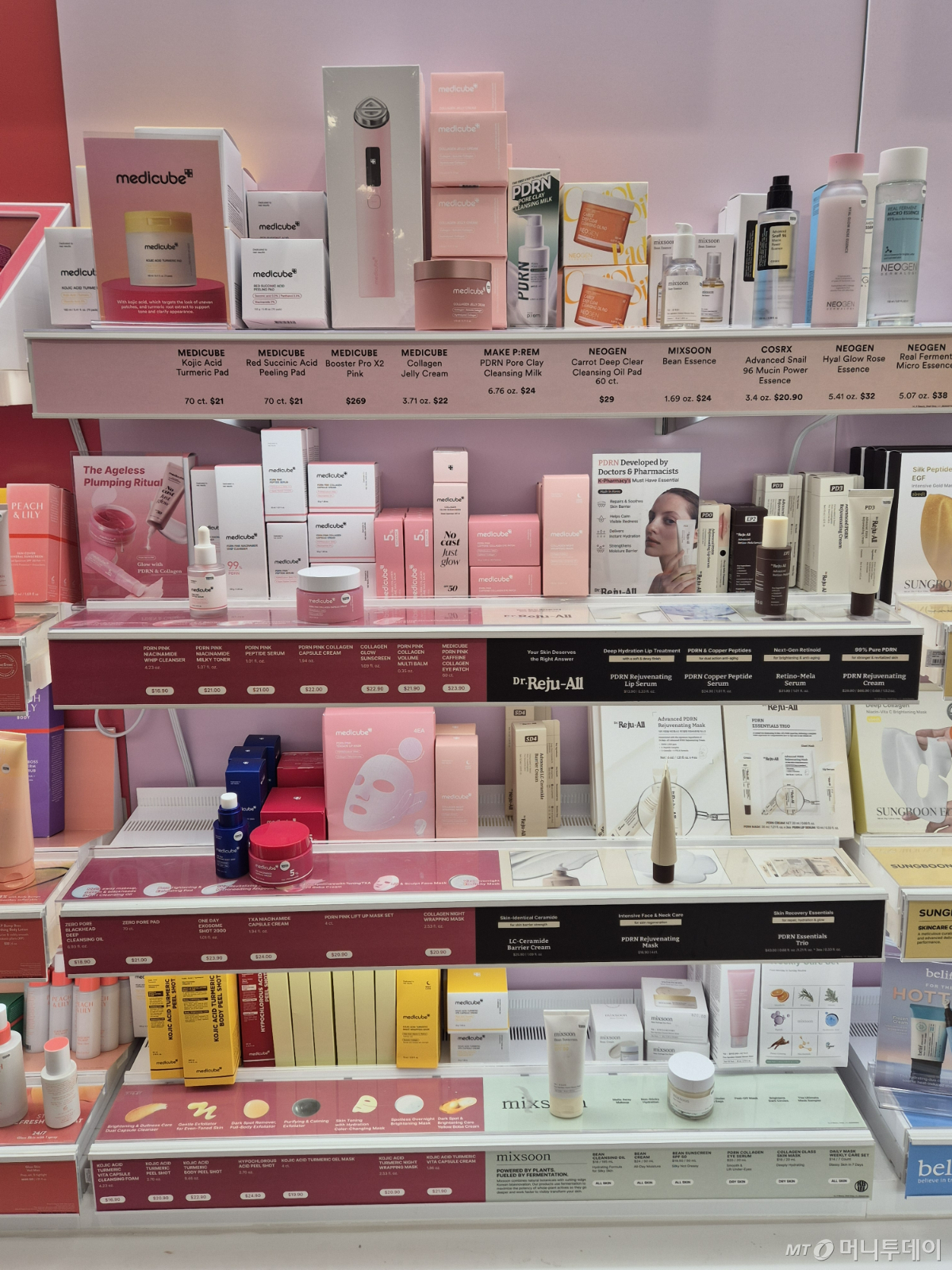
The K-culture fever among young Americans was even transforming the display shelves of cosmetics stores. At Sephora, a representative local beauty concept store located at The Grove, a shopping destination in Los Angeles, Korean brands such as Laneige and Aestura by Amorepacific, and Joseon Beauty by Goodai Global occupied more than 20 display shelves. The same was true for the concept store Ulta Beauty. K-pop girl group aespa's music played in the store, and under a sign reading "Korean Skin Care," products from APAL's Medycube, Mediheal, Skin1004, COSRX, and Anua were displayed. A staff member explained, "Medycube originally had just one small shelf, but as its popularity grew, we expanded the space a few months ago."
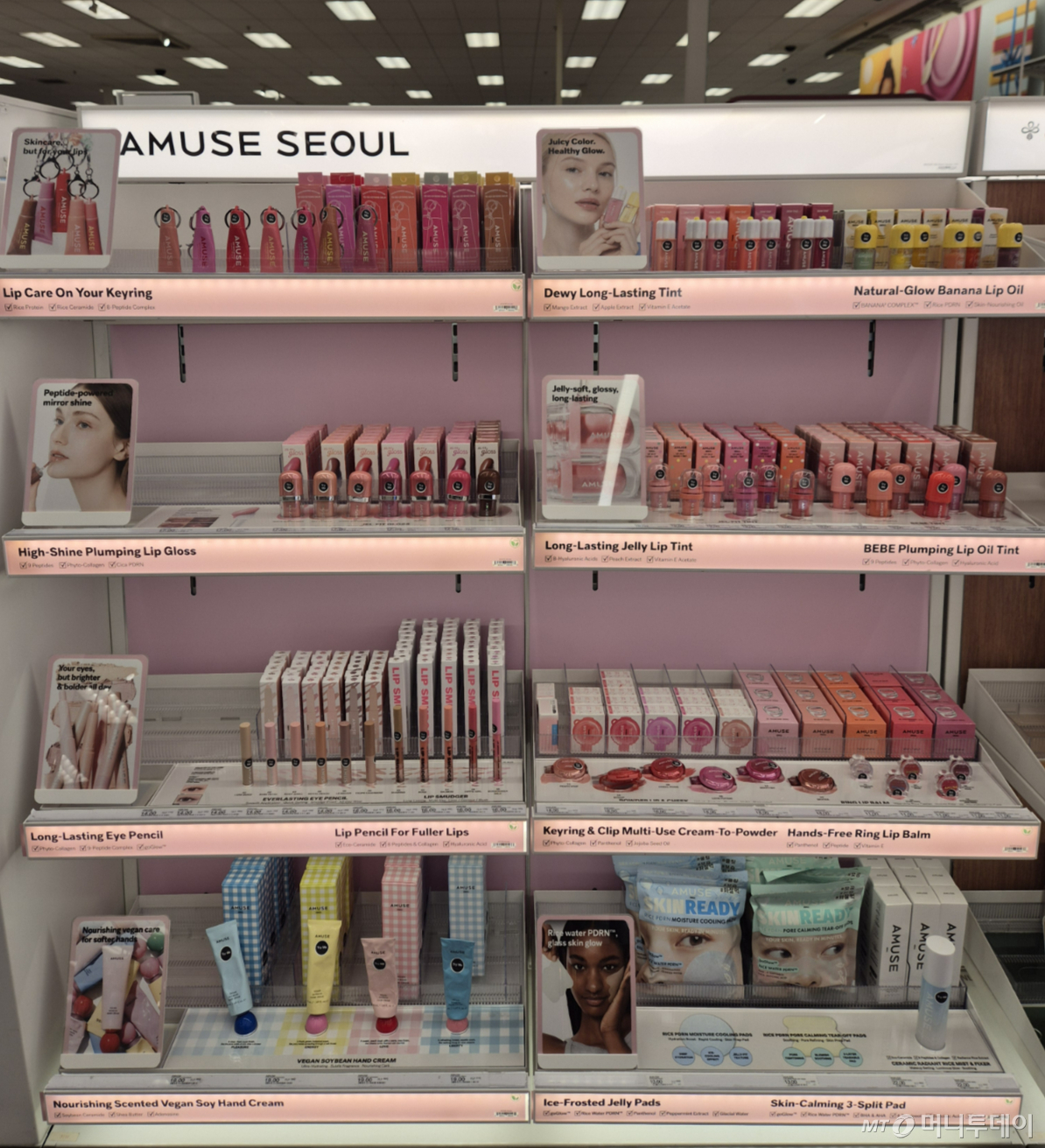
The presence of K-beauty was also distinct in discount stores. At Target near Buena Park, a dedicated K-beauty corner had been set up next to global brands such as L'Oreal. A store employee even recommended Amuse's "Dew Tint" to the reporter looking for color cosmetics. Amuse, by Shinsegae International, has entered 611 Target stores since August, accelerating its local market penetration.
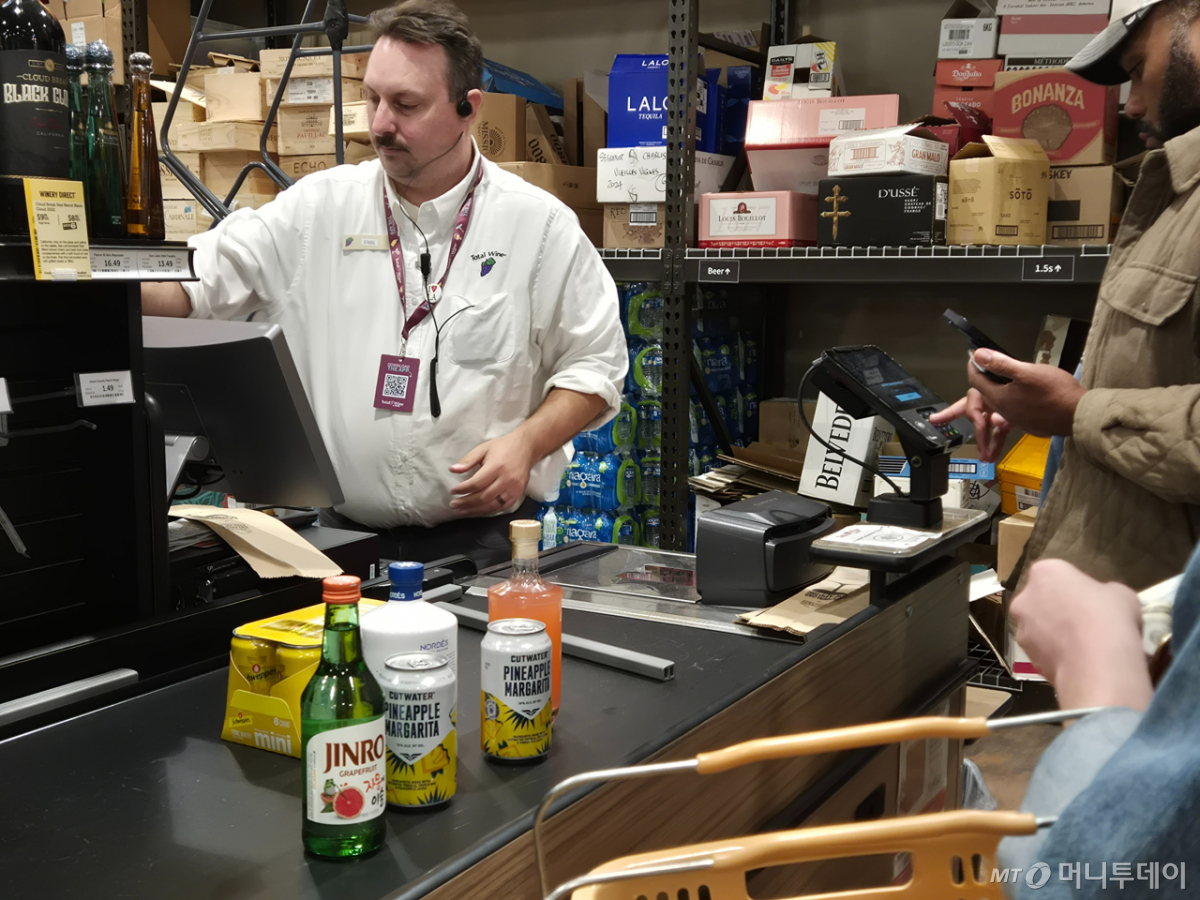
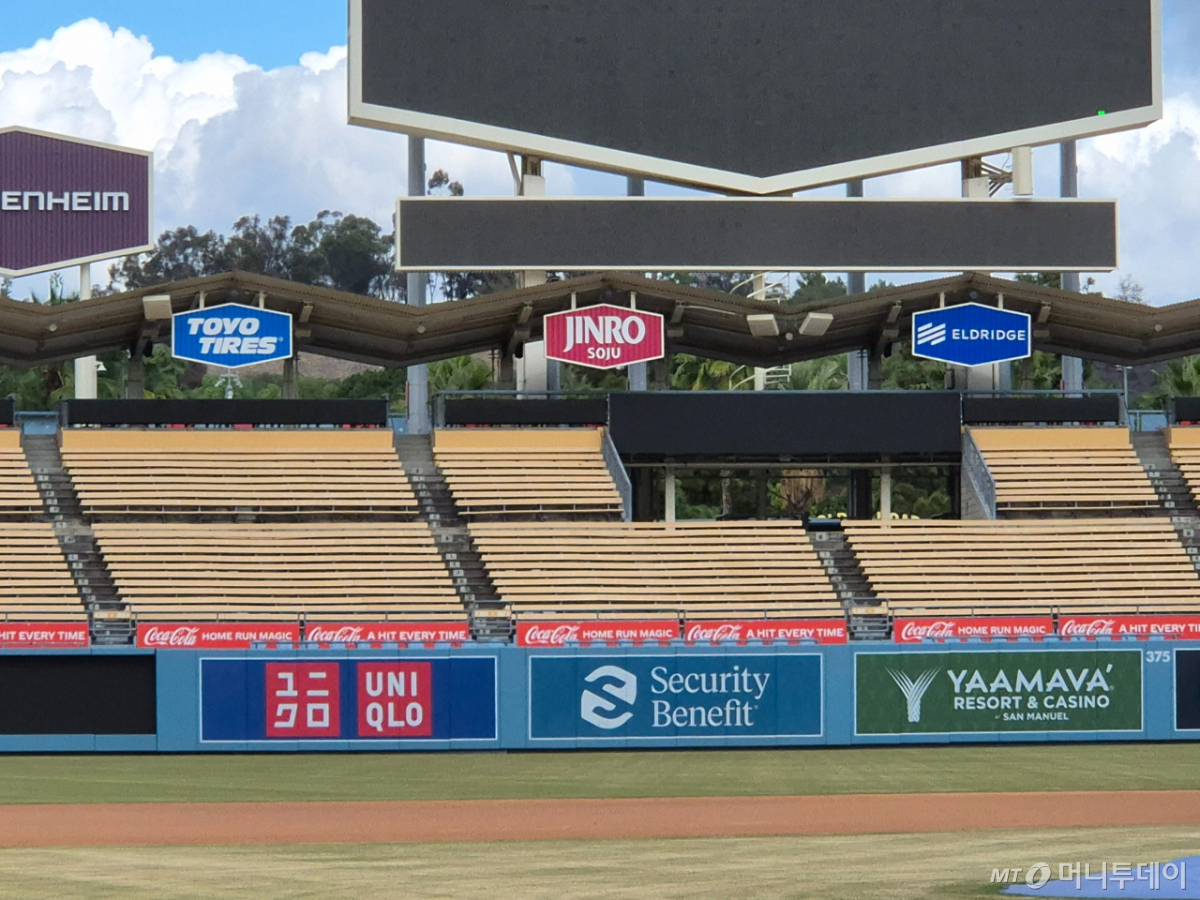
Korean alcoholic beverages were no longer confined to Asian-only shelves. Korean drinks could be found on general liquor shelves at discount stores and liquor specialty shops. At Dodger Stadium, home of the baseball team LA Dodgers, an advertisement for Hite Jinro's "JINRO" was positioned between billboards for global brands such as Coca-Cola and Uniqlo. Hite Jinro, which has maintained a partnership with the team since 2012, also operates a JINRO bar inside the stadium. Jose (53), whom we met at a local liquor specialty store, said, "My eldest daughter, who is now in college, and I enjoy drinking Korean soju. Grapefruit Eisl has a fruity scent and is smooth." He added, "When our family eats barbecue, my daughter sprinkles buldak sauce on it and pairs it with alcohol."
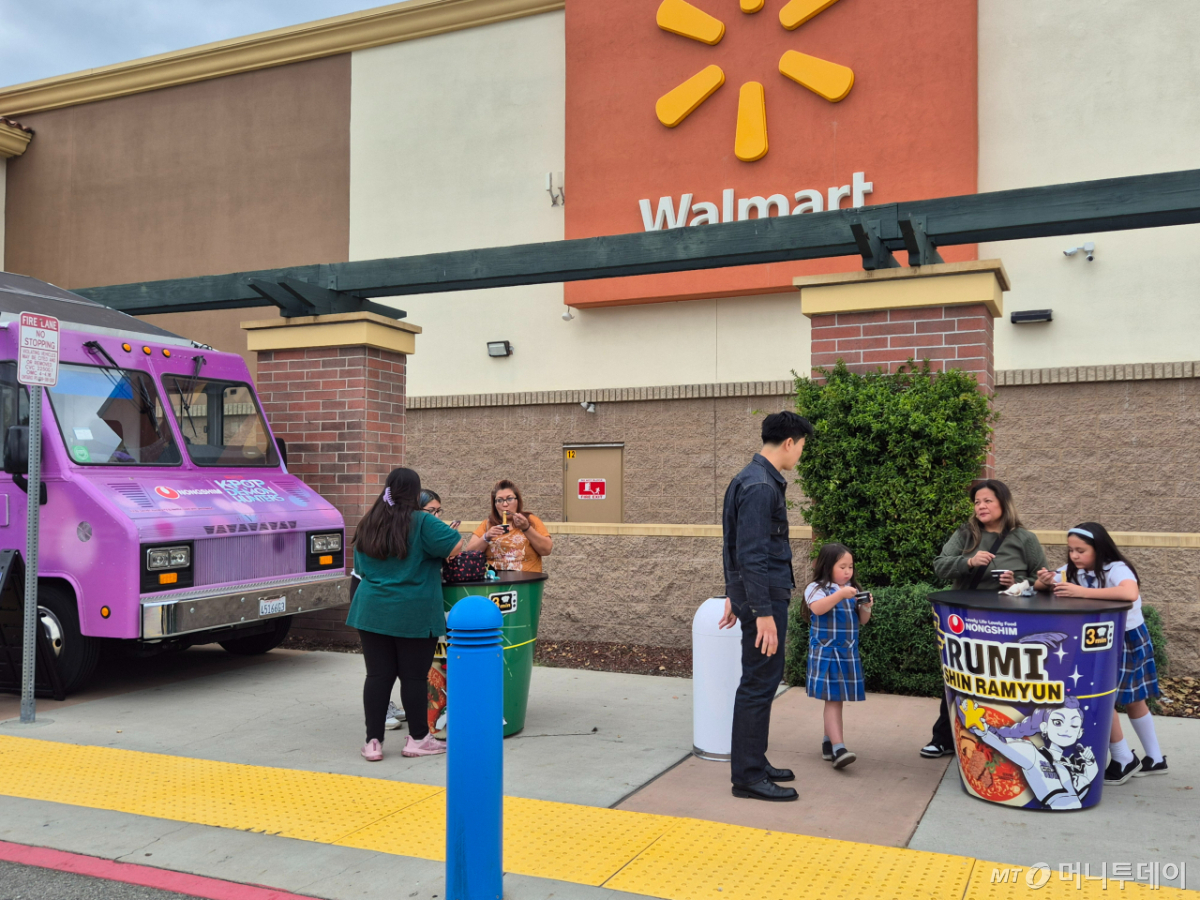
The spread of K-food was also riding on major distribution networks. At a Nongshim food truck event held at Walmart in Ontario, visitors gathered to taste Shin Ramyun and Shin Ramyun Black. Narili (43), who came with her children, said, "My kids love Korean culture, so we often go to H Mart to look for Korean food." She added, "The kids eat it well even though they find it spicy." The children made "ssup ssup" sounds and wiped the corners of their mouths with napkins while continuing to eat the sample ramen. Nongshim is using approximately 4,700 Walmart stores in the U.S. as key distribution hubs to expand its touchpoints with local consumers.
This enthusiasm is also confirmed by export performance. According to the Ministry of Agriculture, Food and Rural Affairs, as of this month, provisional K-food exports reached $12.29 billion, recording an all-time high. Cosmetic exports to the U.S. amounted to $2.35 billion, accounting for 21.1% of total cosmetic exports. This means that both K-beauty and K-food have established the U.S. as a core market. An official in the distribution industry stated, "Korean cosmetics are already mainstream locally," adding, "As K-culture expands beyond content into the consumer goods market, K-food is also expanding its influence."

 in LIVING


