

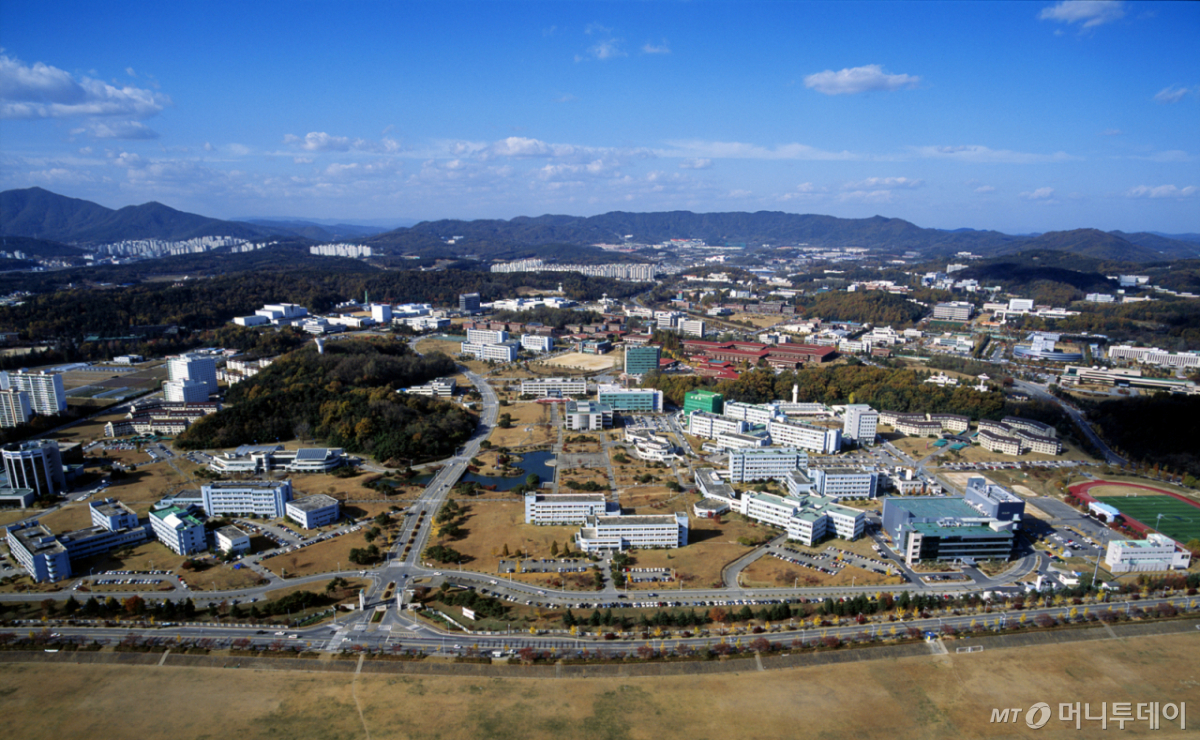
The government will restructure the business framework of science and technology government-operated research institutions around "core missions" and announce a mid-to-long-term roadmap in November. This comes about one year after the phased abolition plan for PBS (Project-Based System) was introduced.
The Ministry of Science and ICT announced on the 8th that it deliberated and adopted the 'Post-PBS Detailed Implementation Direction to Enable Government-Operated Research Institutes to Soar as National Representative Research Institutions' at the 247th Extraordinary Board Meeting of the National Science and Technology Council (NST).
Introduced in 1996, PBS allowed government-operated research institutes to secure external R&D (Research and Development) projects through competition, in addition to receiving government grants. Researchers at these institutes covered personnel costs and research expenses by securing external projects. However, criticism continued that they took on projects excessively just to secure personnel costs and became overly focused on short-term results. Consequently, the decision was made last September to abolish the system after 30 years of its introduction.
The government has decided to transform the 23rd government-operated research institutes under NST into "mission-oriented" models over the next five years. Large-scale projects called "Strategic Research Projects" will be allocated based on each institute's core mission, with the government guaranteeing 100% of researchers' personnel costs by 2030. By 2027, the proportion of personnel costs is planned to be raised to 70%.
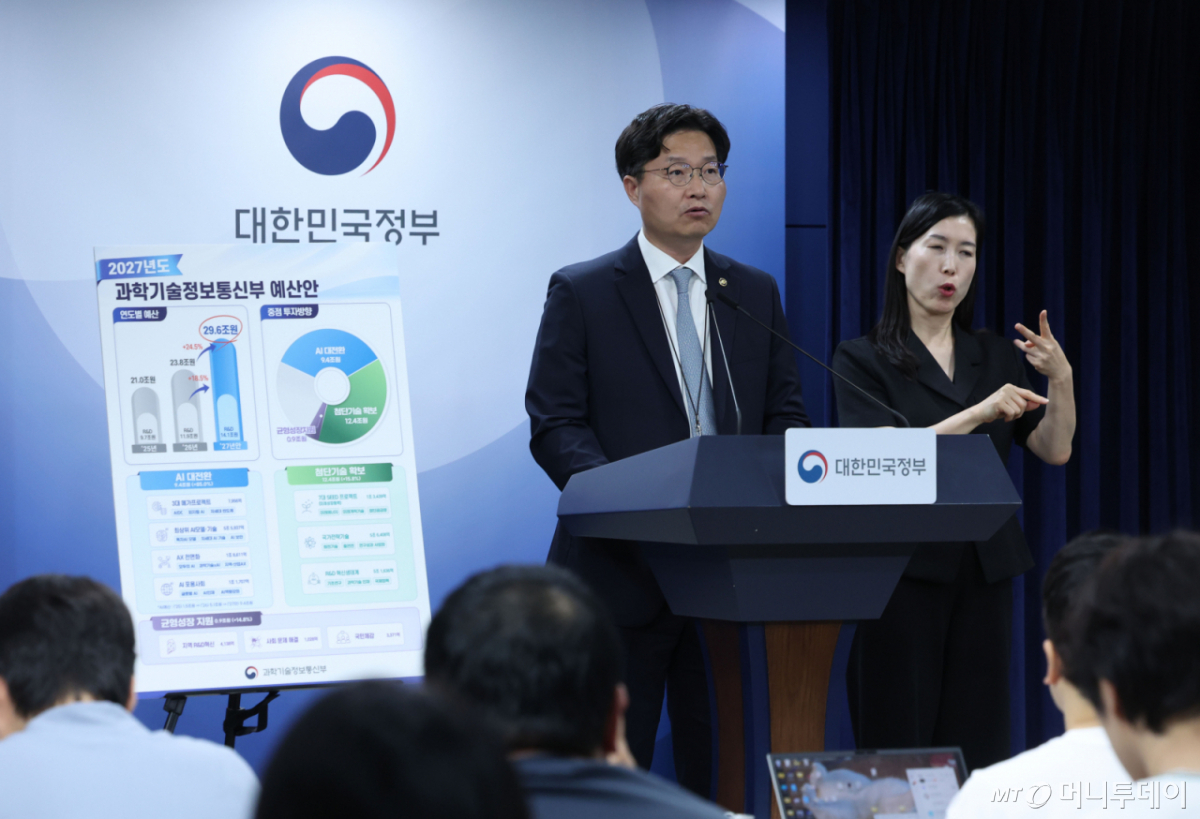
The detailed implementation direction includes plans to reform the compensation system for government-operated research institutes, including their core missions linked to large-scale projects and incentive systems.
First, the business structure will be restructured so that each institute develops a mid-to-long-term strategy to operate its research projects. Each institute will set "core missions" to focus its capabilities at the institutional level and create a mid-to-long-term roadmap linked with its current project portfolio. Based on this, projects for each institution will be reorganized into △Basic Research △Strategic Research △Exceptional Government-Entrusted Projects. The overall roadmap is expected to be publicly announced around November.
Regional-led strategic research projects based on the needs of local governments will also be activated. The operation of institutional R&D projects will be reflected in institutional evaluations, and the results will be linked to institute budgets and incentives.
Incentives such as research allowances will be restructured from the existing system tied to "contract size" to a differentiated reward system centered on outstanding performance. A Ministry of Science and ICT official explained, "While contract size could serve as a benchmark for how much researchers contribute within the PBS framework, it loses significant meaning after PBS abolition (as external entrusted projects disappear). Whether a project is worth 1 billion won or 1 billion won, we will change the system so that researchers who achieve outstanding results receive incentives regardless of scale."
In addition, NST is also launching a comprehensive survey to improve the compensation system for government-operated research institutes. This is because standards for various allowances, such as position allowances, differ across institutes, making it difficult to prepare a common improvement plan. According to the 2027 government budget draft, the wage increase rate for government-operated research institutes is 3.9%.
The Ministry of Science and ICT and NST plan to hold policy briefing sessions starting from the 9th at each of the 23rd government-operated research institutes, beginning with the Korea Energy Technology Research Institute. Kim Young-sik, NST Lee (President), stated, "We will support the smooth implementation of follow-up measures for the implementation direction." First Vice Minister Koo Hyuk-chae remarked, "It is time for government-operated research institutes to innovate themselves based on their accumulated capabilities and pride as national representative research institutions," adding, "We will communicate with the field to further enhance policies."

 in TECH

