

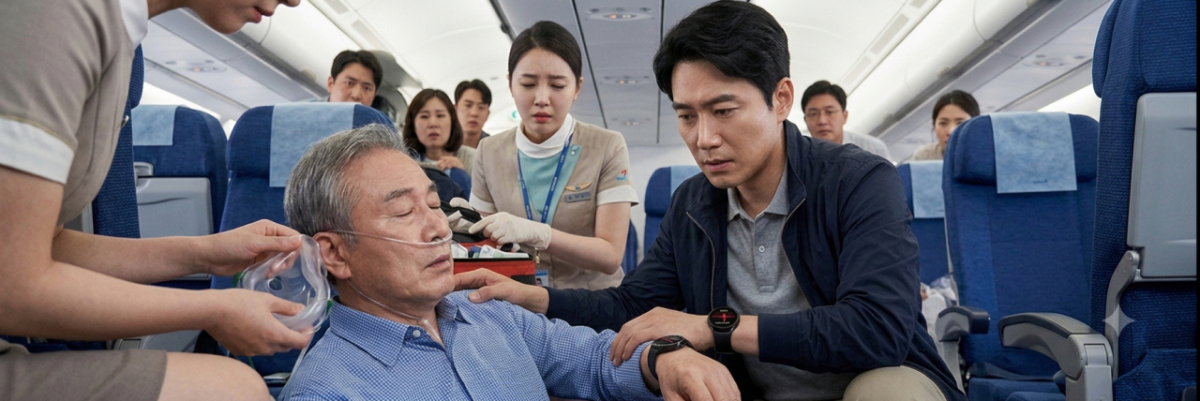
#Recently, a Korean doctor received an urgent call from flight attendants while on board. With no medical equipment available, he borrowed a 'Galaxy Watch' from the crew, had it worn by the patient, and monitored oxygen saturation and heart rate to manage the emergency until landing.
#Last year, a Galaxy Watch9 user in Jordan was alerted by an unexpected "irregular heart rhythm" notification and visited a hospital. Early detection of atherosclerosis led to timely treatment. In Brazil, another user repeatedly received "unable to determine" results from the ECG function, prompting a hospital visit that helped avoid a heart attack crisis.
Samsung Electronics' Galaxy Watch is serving as a personal health physician on the wrist. On the 9th, Samsung Electronics held a media briefing to introduce improved heart health management features in the Galaxy Watch9 and Galaxy Health ahead of World Heart Day on the 29th. The core message includes measuring blood pressure and ECG, diagnosing potential health threats by integrating daily data, and monitoring parents' health from afar.
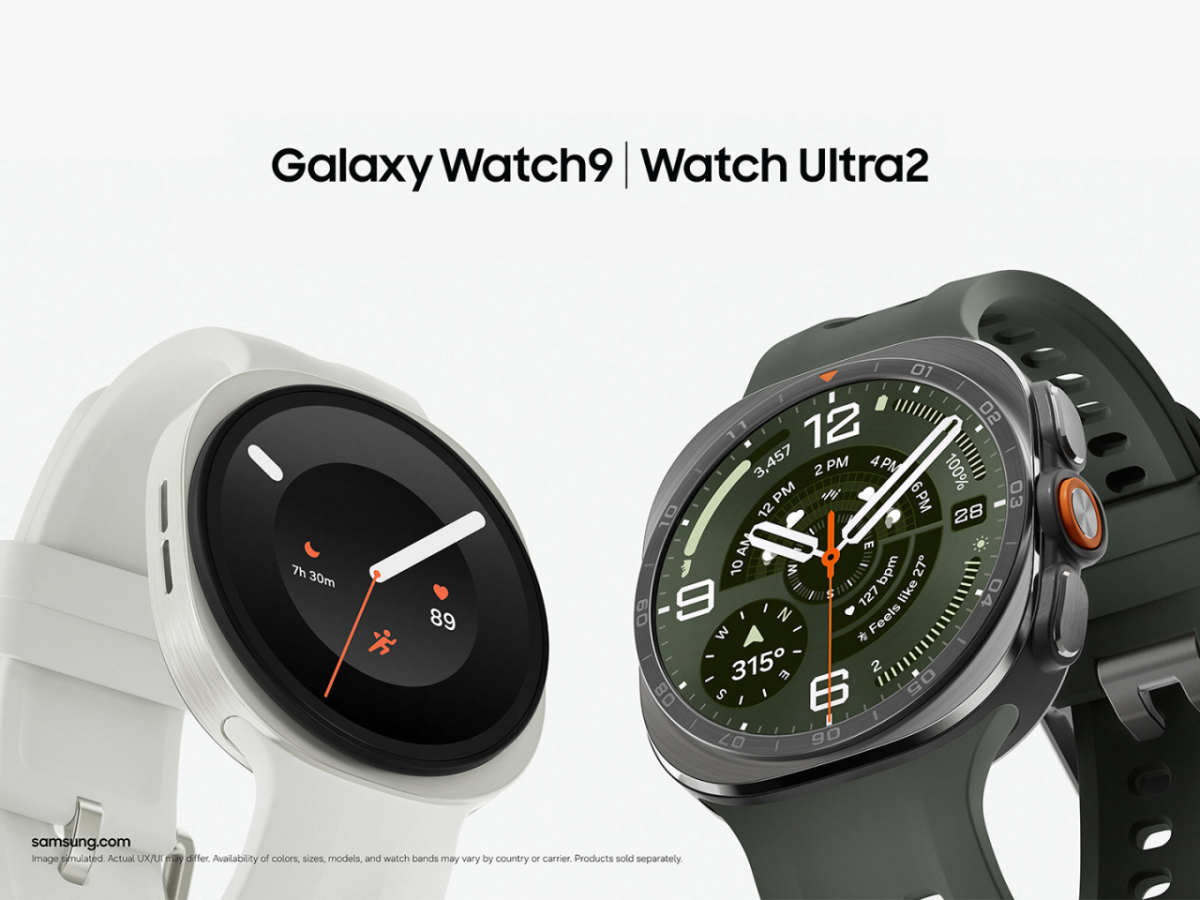
The newly added key features in the latest Galaxy Watch Ultra2 and Watch9 are "Heart Health Score" and "Vital Signs." The Heart Health Score measures data such as healthy sleep, physical activity, vascular stress, and body composition via the watch, then calculates a comprehensive score to provide actionable guidance. For users with higher-than-normal vascular stress, the system delivers recommended messages promoting low-salt diets, whole grains, and fresh foods.
The "Vital Signs" feature precisely tracks five core indicators: sleep heart rate, heart rate variability, breathing rate, skin temperature, and blood oxygen saturation. When abnormal signals are detected compared to usual patterns, immediate alerts are sent to enable early recognition and response to health issues.
Health information sharing among family and friends via Samsung Health is also possible. By adding a family profile and linking a Samsung account, children can monitor key vital signs such as blood pressure and heart rate of parents living far away.
With user consent, data on steps, exercise, sleep, weight, body composition, food intake, heart rate, stress, blood pressure, blood sugar, medication adherence, and vital signs can be shared and used as reference material during medical consultations.
This is made possible by Samsung's advanced sensors and ongoing research collaborations. Since equipping the Galaxy S5, Gear 2, and Gear Fit with optical heart rate sensors in 2014, Samsung Electronics has continuously refined health monitoring technology through wearables. In 2021, it developed the BioActive sensor, and in 2023, received approval from both the U.S. FDA and Korea's Ministry of Food and Drug Safety for its irregular heart rhythm notification feature.
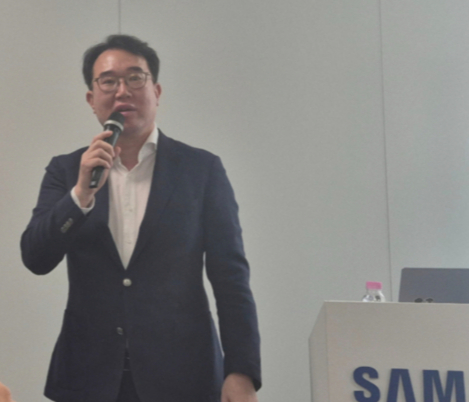
Samsung Electronics MX Business Unit Digital Health Team Choi Jong-min (SVP) stated, "The Galaxy Watch's BioActive sensor is a high-performance sensor that combines three sensors: optical heart rate, ECG, and bioelectrical impedance." He added, "Various research teams have contacted us, leading to collaborations with Chung-Ang University on syncope studies and with Stanford University in the U.S. on sleep apnea detection research."
He further noted, "Detecting when a person falls asleep via the watch enables connected care across devices, such as turning off TVs through SmartThings. Samsung possesses accumulated know-how and expertise that make it difficult for other companies to catch up. We will continue to deliver preventive-focused smart healthcare services in the future."
Regarding the highly anticipated blood glucose monitoring feature, he added, "While non-invasive blood glucose measurement technology continues to improve, confirming its commercialization remains uncertain."

 in TECH


