


Content platforms are struggling with web novels created using generative AI. Although social consensus on AI and copyright issues has not yet been reached, such content is prohibited in principle; however, there is no practical way to effectively stop it.
On the 22nd, a post appeared on an internet community stating that numerous AI-generated web novels had been uploaded to the content platform Ridibooks. A single author continuously released new works, filling the "new releases" section with similar titles by the same writer. According to the author's profile, they uploaded more than 10 web novels within about a week. The poster explained that they contacted customer support but were told there was no effective solution.
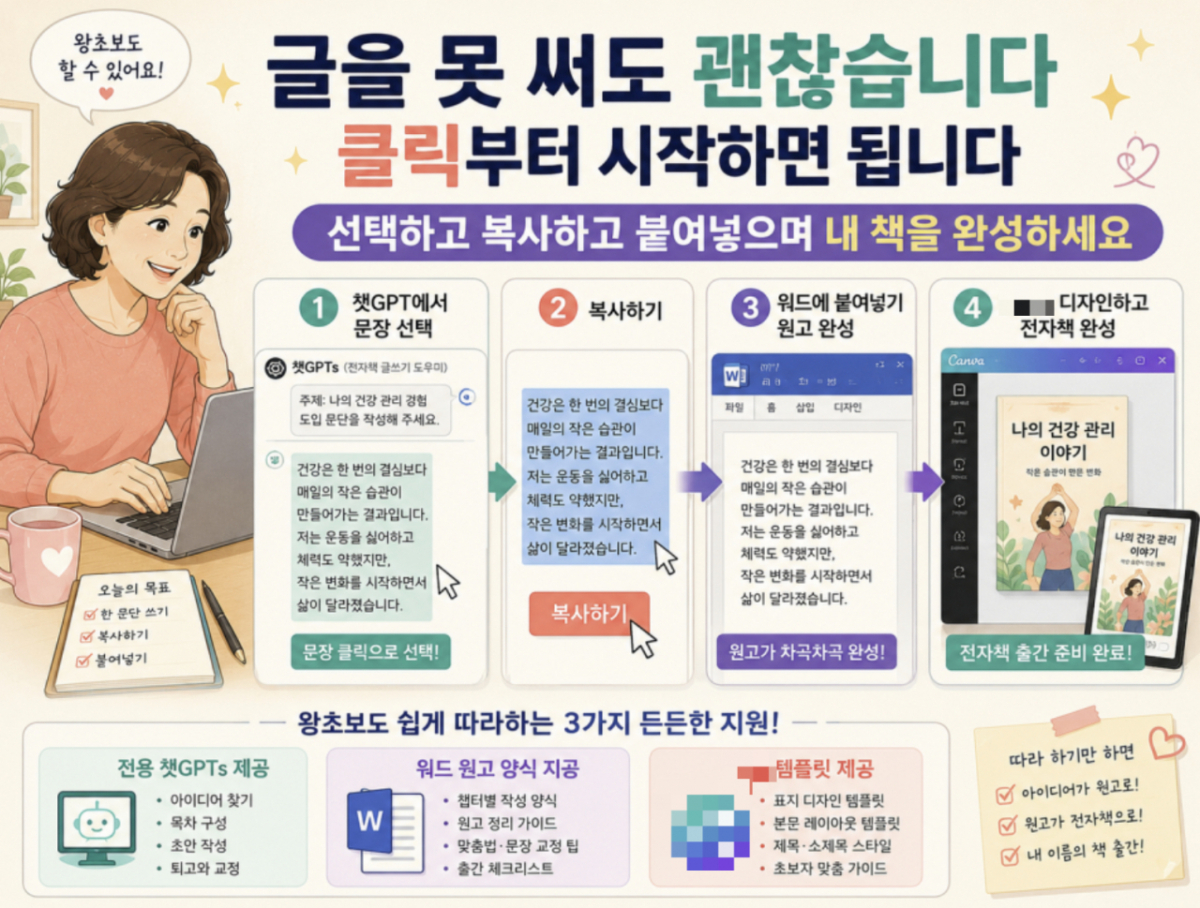
A search of the author's personal blog revealed active promotion recruiting students for an AI e-book writing course. Posts such as "How to Write E-books with ChatGPT" and "Can I Become an Author Just by Clicking, Selecting, Copying, and Pasting?" advertised that even those who cannot write at all could create books using experience and AI. The blog itself is a typical AI blog, posting 7–8 similar-format posts daily.
The same author also shares methods for earning money through AI-generated e-books on a YouTube channel with the same name. The author states, "Creating one e-book with AI automatically generates income," while adding, "Rather than simply copying and pasting long AI-generated text directly into an e-book, you should compare it with actual experiences or expert answers, and let humans make the final judgment."
To prevent users from attempting to "grain-eat," platforms prohibit in principle any content that received AI assistance during the creative process, regardless of the extent of involvement. This is because such content could lead to copyright disputes later, and if many people upload works indiscriminately hoping for a single hit, readers will find it difficult to locate genuine content. "Grain-eating" refers to actions aimed at gaining profit with relatively little effort.
However, platforms unanimously agree that achieving 100% perfect filtering is difficult. A Naver Webtoon representative stated, "Contest announcements warn that if AI is used and full intellectual property rights cannot be retained, the work may be excluded from judging or awards may be revoked." They added, "We do not maintain a separate system to detect AI-created works; instead, we filter using internal guidelines and review systems."
A Kakao Entertainment representative also said, "In cases where AI usage is suspected during the work review process, we guide content providers (CPs) and creators to reconfirm copyright-related matters." They continued, "With current technology, it is impossible to perfectly identify or judge AI-created works, so we proceed by checking only when suspicion arises. We continue to monitor changes in relevant laws and government guidelines regarding AI-generated content."
Ridibooks, which sparked the recent controversy, also clarified that it prohibits AI-created works in principle. A Ridibooks representative stated, "We review AI-created content based on our own monitoring system and guidelines, and we are continuously upgrading these standards." They added, "AI-generated web novels and webtoons are not offered as services." The author in question is currently unavailable on Ridibooks.

 in TECH

