


The pre-production controversy surrounding MBC’s variety show “I Live Alone” has also come under scrutiny at the National Assembly audit. The program aired as if the participants were deciding their travel destinations on the spot, but it was revealed that the filming content had actually been prepared in advance. Despite the production team’s apology, the YouTube video retained the title “Impromptu Travel,” drawing criticism that it undermines trust in public broadcasting.
According to the National Assembly Science, ICT and Korea Communications Commission on Friday, Democratic Party of Korea lawmaker Kim Nam-gook pointed out the manipulation controversy surrounding “I Live Alone” during the previous day’s audit of the Broadcasting Culture Promotion Foundation, urging improvements to MBC’s production ethics and post-management systems.
The controversy arose from a travel episode to Almaty, Kazakhstan, aired last August. While the broadcast depicted participants deciding their travel destination at the airport, it was revealed that the production team had actually prepared flight tickets and local filming in advance. Notably, a scenario written 15 days before departure reportedly included not only the travel destination but also scenes of calling acquaintances to decide on the destination.
The production team acknowledged the pre-preparation and apologized, but their subsequent response also came under fire. They initially failed to fully disclose the specific circumstances of the preparation in their first explanation, only issuing an additional clarification after related materials were made public.
Moreover, even after the official apology, the video remained posted on MBC’s YouTube channel under the title “Almaty Impromptu Travel,” and it was found that there was no separate notice regarding the fact of pre-preparation or the official explanation in the video description.
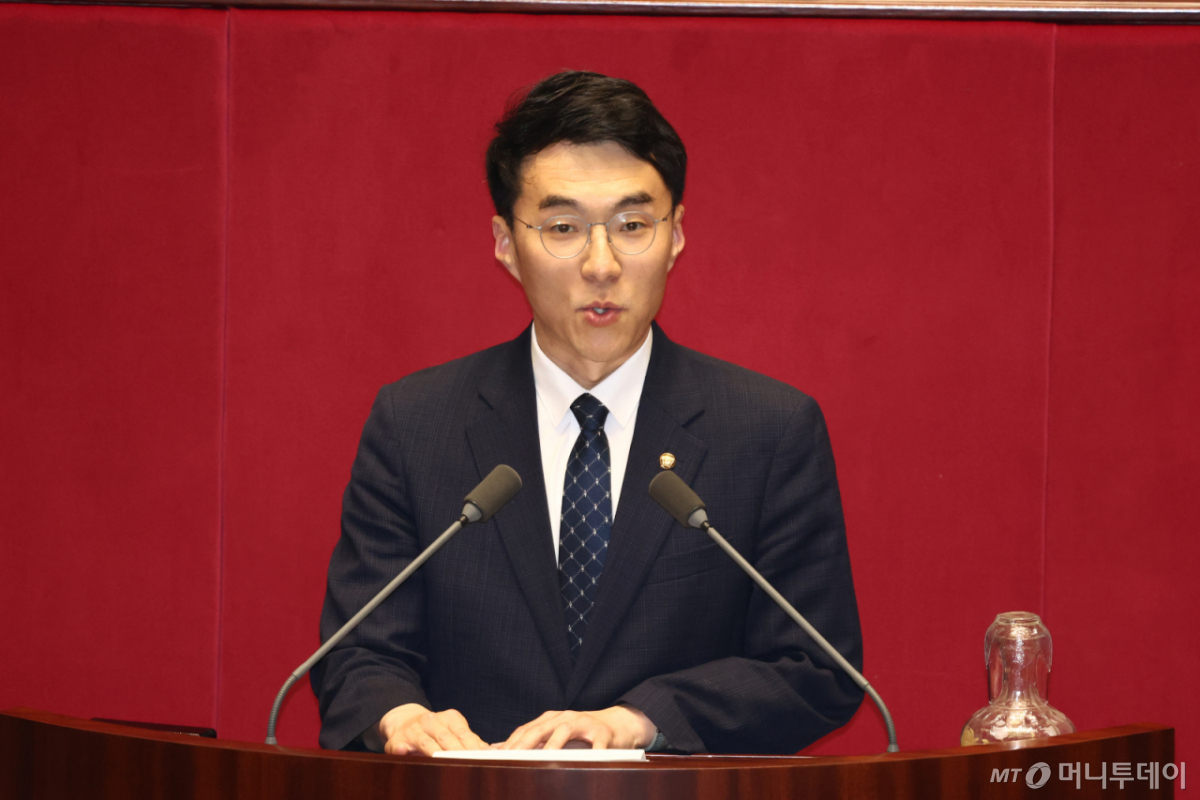
MBC responded to the Rep. Kim's office, stating that they do not separately preserve the history of title and thumbnail changes for YouTube videos. This means that even if issues arise with broadcast content, it is structurally difficult to verify after the fact how content distributed on the online platform was modified.
“The most important asset of public broadcasting is the trust of the people,” Kim stated. “The trust in a broadcaster is directly linked to the trust in each program, including news.” He further noted, “The essence of reality variety shows is showing unadorned daily life,” adding, “If staged situations were presented as real, it is an act of deceiving the public and undermines trust in broadcasting.”
“Whether it is news or variety, we must fulfill our basic duty to ensure that the trust of the people is not damaged during the process of delivery,” Kim emphasized.
In response, Broadcasting Culture Promotion Foundati Chair Kang Hyung-cheol said, “Reality programs should be real; if they are not, then as you say, it results in a loss of trust,” expressing agreement with Kim (Rep.)’s points.
Kang also acknowledged that the management systems for broadcast and YouTube content were not properly linked. He stated, “Content aired on terrestrial television is being posted on YouTube, but in reality, they are not linked.”
He continued, “Within the content ecosystem created by the MBC Media Group, connectivity is lacking,” adding, “We will manage and supervise management to make this an opportunity to comprehensively review issues such as censorship and management.”

 in TECH

