

As the Bank of Korea recently implemented an unprecedented consecutive rate hike, raising the base rate to 3% annually, President Lee Jae-myung noted that the base rate could rise to 3.5% in the first quarter of next year, increasing the likelihood of further hikes. With the dawn of a high-interest-rate era, concerns about an "interest rate bomb" are mounting across the economy, including among companies, households, and the real estate market.
According to data from the Bank of Korea released on the 31st, as of the end of July, outstanding corporate loans at deposit-taking banks increased by 7.7 trillion won in a single month to reach 1,421.1 trillion won. Household loans also rose by 5.4 trillion won to 1,194.8 trillion won. Simply adding up the money borrowed by companies and households from banks totals 2,615.9 trillion won. While loan balances have grown, interest rates are entering an upward trend.
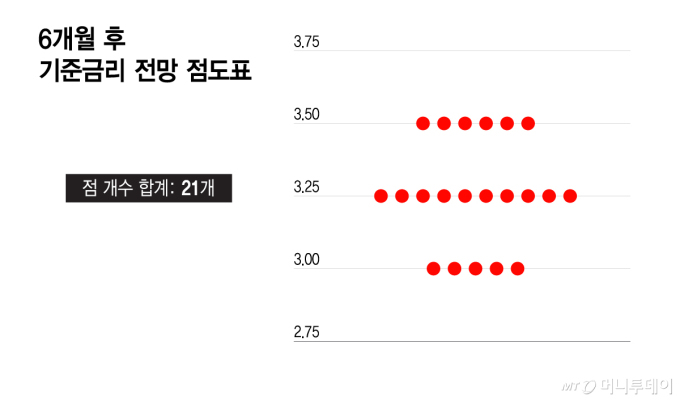
The Bank of Korea Monetary Policy Board raised the base rate from 2.50% to 2.75% annually last July, followed by an additional 0.25 percentage point (P) hike to 3.00% on the 27th. Among board members' conditional forecasts for the base rate six months ahead, the most common projection was 3.25%, with 3.50% following closely behind.
As interest rates continue to rise, an "interest rate bomb" is becoming a reality for companies and households. As of the end of July, variable-rate loans accounted for 70.5% of outstanding corporate loans at deposit-taking banks. For household loans, the share of variable-rate loans also exceeded half at 56.7%. Variable-rate loans reflect interest rate increases in loan rates, thereby increasing the interest burden on existing borrowers.
The real estate market is also facing increased burdens due to rising interest rates. Those known as "young-gull-jok" (household borrowers who leveraged all their assets) who purchased homes by gathering loans during the low-interest era will inevitably face higher principal and interest repayment burdens as rates rise. If the upward trend in interest rates continues, buying sentiment may contract, and there is a possibility that listings from borrowers unable to withstand the interest burden will increase. The most critical concern is that rising interest burdens could lead to contraction among companies and households. Analysts warn that with financing costs already higher, further interest rate hikes could stifle corporate investment and household consumption, creating another obstacle to domestic recovery.

 in ECONOMY
