

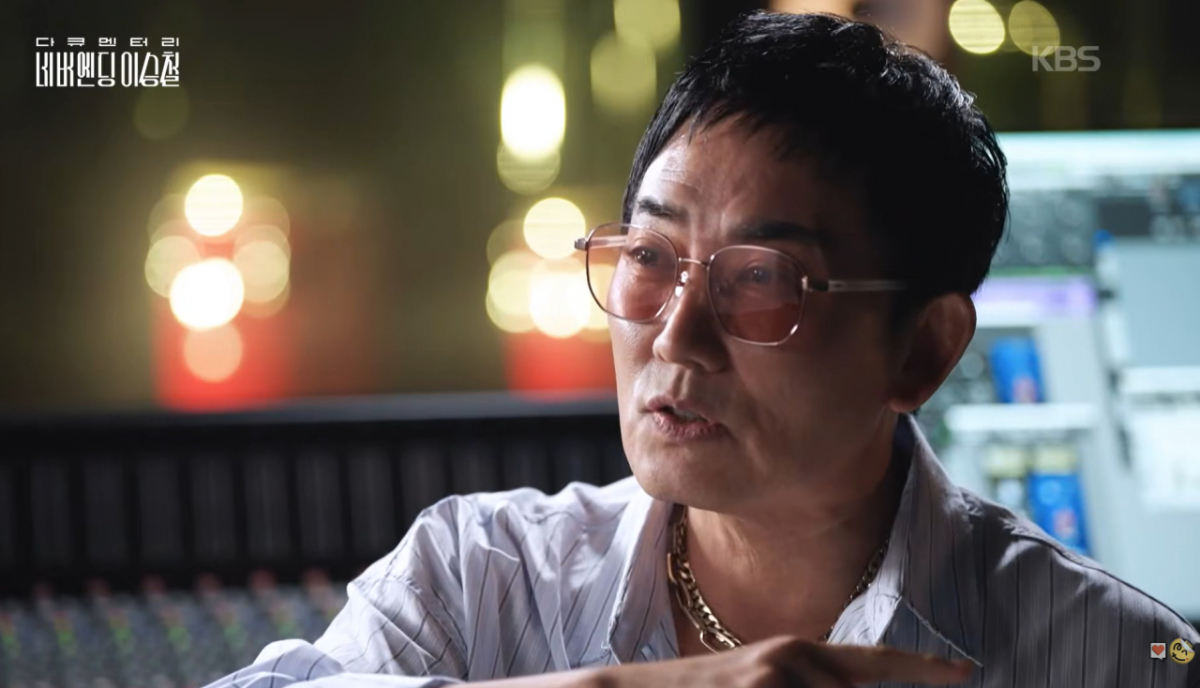
Singer Lee Seung-cheol expressed regret over his past marijuana incident, saying, "I wish I could go back with a time machine and start over."
In the episode of KBS 2TV's 'Documentary Never Ending Lee Seung-cheol' aired on the 15th, Lee Seung-cheol, who is celebrating his 40th anniversary since debut, reflected on his musical career.
Lee debuted in 1986 as the vocalist of the rock band Revival. After leaving the group, he launched his solo career in 1989 and achieved great success with hits such as "Don't Say Goodbye."
However, he became entangled in a marijuana incident and was unable to engage in broadcasting activities from 1991 to 1995, for five years. Recalling that period, Lee said, "Even now, I often think about going back with a time machine and starting over."
He also opened up about his guilt toward his mother, who suffered greatly because of the incident.
When asked about his mother's reaction after he returned to broadcasting following the suspension, Lee said, "She quit her 43-year teaching career because of me," and added, "She was deeply troubled because of me. Please don't talk about my mother," as he bowed his head.
Regarding the situation during his broadcasting ban, he stated, "I was banned from broadcasting activities for about five years and couldn't work or even play music on the radio. It took ten years of hardship to get back on track. I am someone whose time in music has never been glamorous."
During the period when Lee could not participate in broadcasting, he focused on live performances. He explained that he decided to "turn a difficult period into an opportunity" and began nationwide tours. In past interviews, he also revealed that during that time, he only performed concerts, continuing with large-scale shows and nationwide tours.
Instead of appearing on broadcast stages, he chose to connect directly with audiences. He performed in small theaters five days a week and sustained his career as a singer by continuing nationwide tours and live performances.
Lee later returned to broadcasting, regained his peak popularity, and this year marks his 40th anniversary since debut.

 in ENTERTAINMENT
