

South Korea’s battery industry is ramping up production facility utilization rates, driven in part by growth in the energy storage system (ESS) market.
Analysts expect the recovery to become even more pronounced starting next year, as ESS battery production lines at North American manufacturing sites are set to begin full-scale operations.
According to industry sources on Friday, LG Energy Solution’s average factory utilization rate for the first three quarters of this year was 57.1%, an increase of 9.5 percentage points from 47.6% last year.
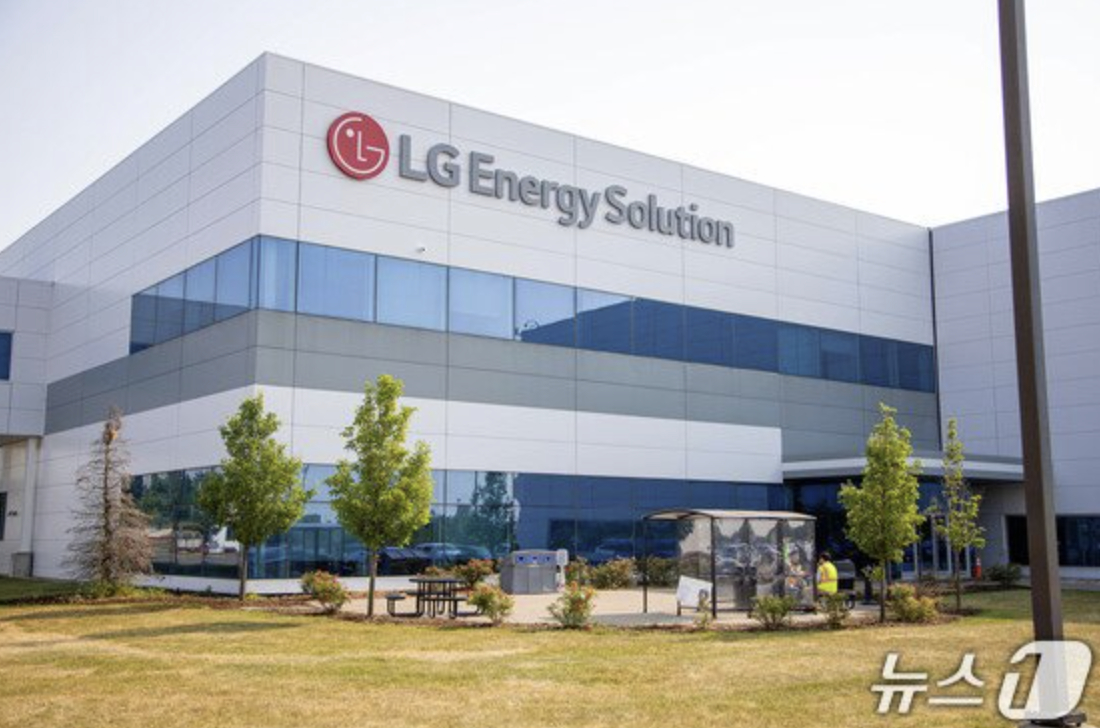
While it has not yet reached the 70% range recorded during past boom periods, the company appears to be in a recovery phase. This is interpreted as being driven by improved utilization rates at major production hubs, including Ochang in South Korea, Nanjing in China, and Michigan in the United States.
During the same period, Samsung SDI’s small battery division saw its utilization rate jump from the 50% range to 78%.
In contrast, SK On's factory utilization rate fell by 12.3 percentage points from 48.7% last year to 36.4% this year.
Analysts attribute this to the relatively slower progress in converting U.S. local production lines for energy storage systems (ESS) compared to the two other companies.
However, it is expected that the utilization rate will rebound once mass production of lithium iron phosphate (LFP) batteries for ESS begins in earnest at some production lines of SK Battery America's plant in Georgia, U.S., starting from the end of this year.
The core driving force behind the recovery in utilization rates is the growth of the U.S. energy storage system (ESS) market.
According to global energy market research firm BloombergNEF, U.S. ESS demand next year is expected to reach 97 gigawatt-hours (GWh), an increase of approximately 7% from this year's forecast of 91 GWh.
In particular, compared with six months ago, the demand forecasts for this year and next year have been revised upward by 41% and 45%, respectively.
Domestic battery makers have been securing a steady stream of energy storage system (ESS) orders through the end of the year. Samsung SDI recently signed an LFP battery supply contract with Jupiter Power, a U.S.-based ESS developer and operator.
The contract value is estimated at approximately 3 trillion to 4 trillion won. It is known that the company has secured over 60 GWh in ESS orders, primarily in the United States, through last month.
LG Energy Solution’s ESS order backlog as of the third quarter this year is estimated at approximately 160 GWh.
According to industry sources, both companies have secured most of their ESS battery demand through 2028 based on current production capacity and are currently in discussions with customers regarding supply volumes for 2029 and beyond.
The companies have also stepped up investment to meet growing demand. LG Energy Solution invested 3.7564 trillion won in new and expanded production capacity, as well as quality enhancement, during the first three quarters of this year.
The company is expected to expand its U.S.-based energy storage system (ESS) production capacity from the current 50 GWh to 70 GWh by early next year.
Samsung SDI spent 2.0194 trillion won on capital expenditures and other investments over the same period. Combined, the two companies' investment totals 5.7758 trillion won.
The competition in research and development (R&D) to secure a position in the next-generation market is also ongoing.
Samsung SDI's R&D expenses as a percentage of revenue increased from 7.8% in 2024 to 10.5% last year, and further to 10.8% this year. LG Energy Solution's ratio was 4.7%, a slight decrease from 5.2% last year, but the company continues its related investments.
“In addition to subsidies, customers are increasingly demanding batteries that are not linked to Chinese capital as cybersecurity regulations for power grids have been strengthened,” said an industry official. “Driven by this expanding demand, the utilization rate is expected to recover further next year.”

 in INDUSTRY
