

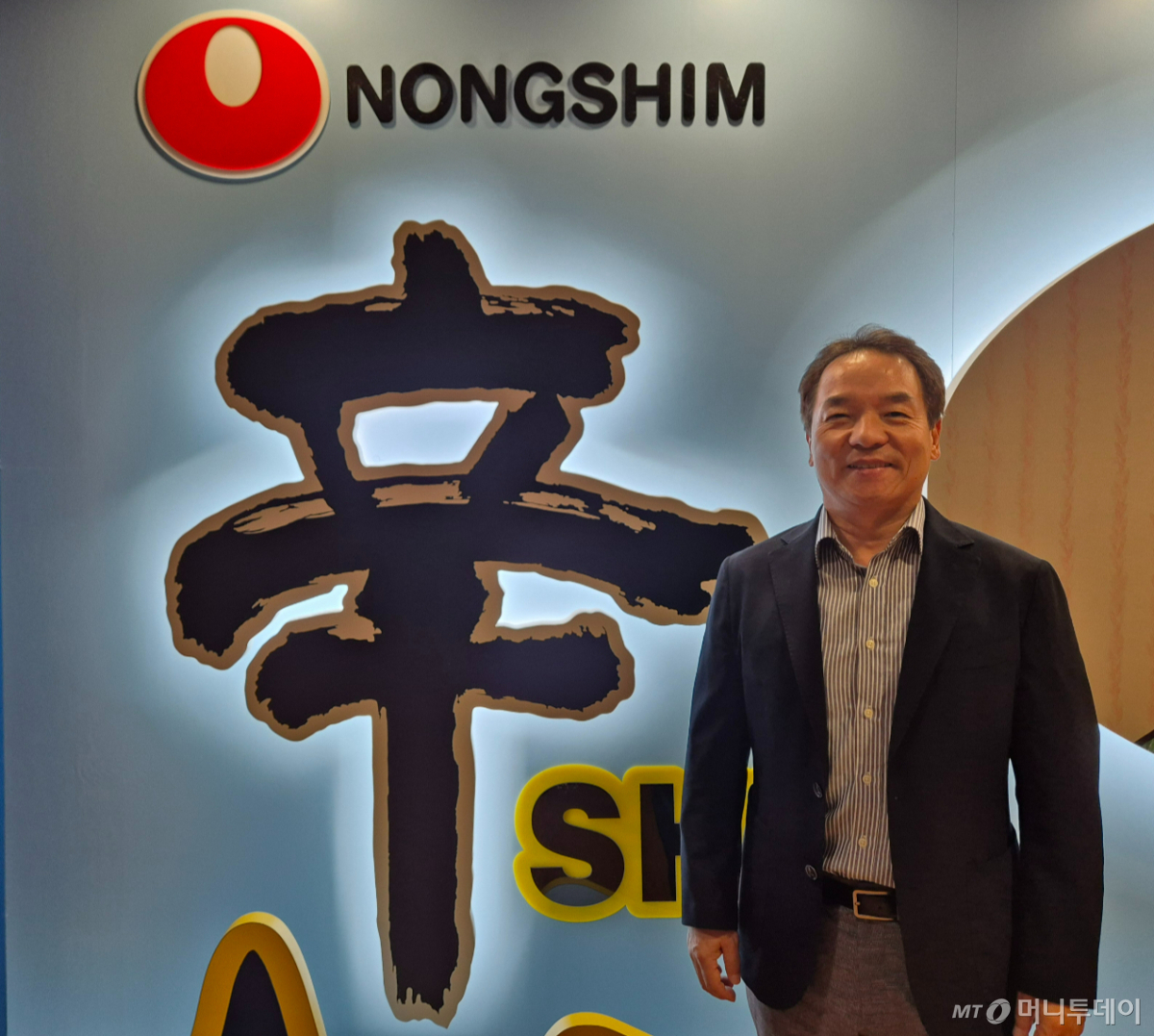
"Our goal is to make 'Shin' come to mind when people think of ramen in the United States."
In a year marking the 40th anniversary of Shin Ramyun, Nongshim is embarking on new challenges in the U.S. The company aims to boost its annual revenue in the U.S. to $1.5 billion by 2030 and take the top spot in the local ramen market. Confidence was evident in the voice of Kim Do-seon, head of Nongshim's U.S. subsidiary, during an interview with MoneyToday on the 21st (local time) at the company's U.S. office in Los Angeles.
The U.S. is a crucial market, accounting for approximately 38% of Nongshim's overseas revenue in the first half of the year. Kim emphasized, "Through aggressive investment and products tailored to local consumer tastes, we will imprint the taste of Korea, and ultimately the taste of Nongshim."
Nongshim's localization strategy involves embedding itself into the life cycle of American consumers. Park Seong-jin (Head) stated, "Just as Americans who ate McDonald's since childhood find it familiar as adults, we aim to create a continuous memory of ramen from their youth," adding, "We are also actively bringing Nongshim food trucks to elementary schools for tasting events."
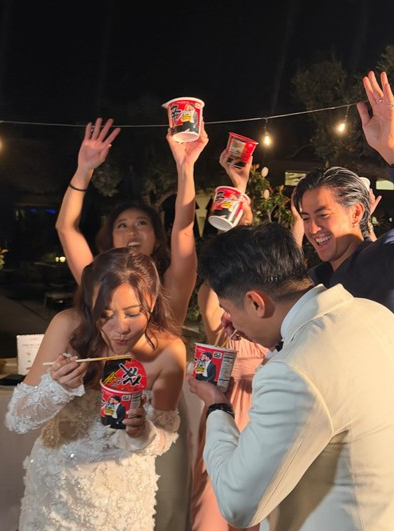
Weddings are also a stage. Nongshim launched the "Custom Wedding Shin Cup Campaign" earlier this year, which puts photos of the bride and groom on Shin Ramyun cup noodles for guests to enjoy at receptions and keep as mementos. The campaign was planned with an eye on American party culture, aiming to make Shin Ramyun part of life's special moments. Participants have ranged from ordinary couples to famous influencers and celebrities. When participants were recruited, interest was so high that 200 couples applied within a day.
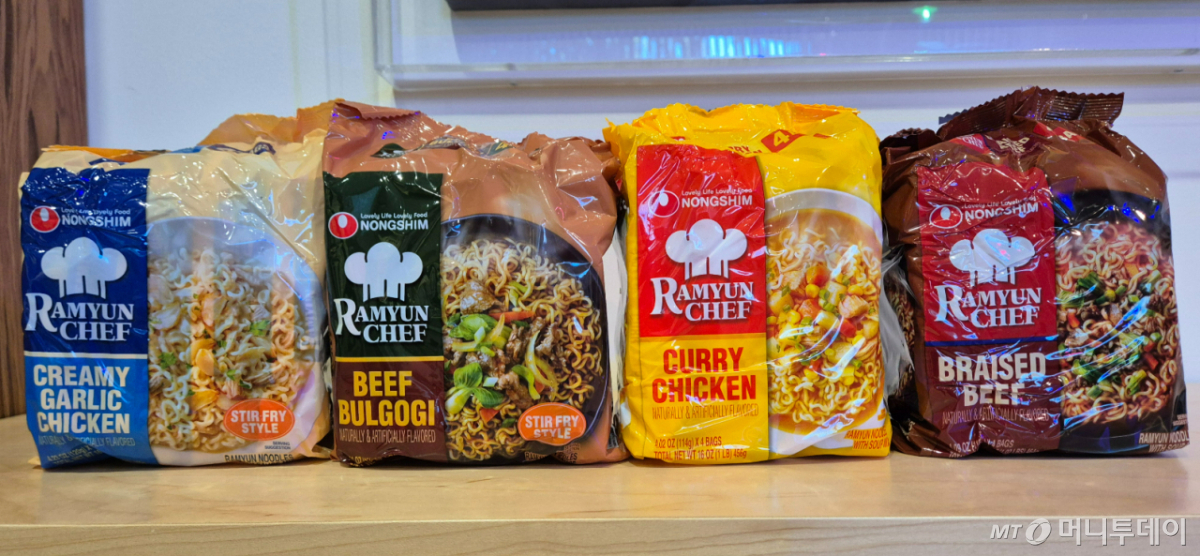
Expanding consumer choice centered on the brand "Shin" for products Jeon Ryak-eun (CEO). The local-exclusive brand "Ramen Chef," introduced last year, is a prime example. Noting that mild flavors account for approximately 70% of the U.S. ramen market, the company adapted popular flavors by country, such as bulgogi, curry, and creamy garlic chicken, to ramen.
Nongshim is also putting effort into its bowl noodle (Bowl Noodles) business, known in Korea as "sabal-myeon." The plan is to differentiate from Japanese products by maintaining convenience while offering Korean-style tastes and generous portions. While the company operates two flavors of bowl noodles in Korea, such as yukgaejang and kimchi, it has expanded this to 8-9 varieties in the U.S. It is also cultivating "Noodle Fit" targeting health-conscious consumers. The strategy is to expand ramen into a healthy meal by enhancing protein and dietary fiber.
Changes in local consumer tastes are also an opportunity for Nongshim. Lee Tae-jin, Chief Sales Officer (CSO), explained, "Americans used to show aversion to the texture of Asian food, but perceptions have changed; they now enjoy spicy flavors, rice cakes, and seaweed." Indeed, 15 years ago, there were buyers who threw away Shin Ramyun because it was too spicy, but today, there is virtually no distribution channel without Shin Ramyun, from all Walmart stores to Costco and Target. Shin Ramyun, once considered an unfamiliar and spicy food, has firmly established itself in the U.S. mainstream market.
Kim stated, "We will grow Shin, Ramen Chef, Noodle Fit, and bowl noodles individually so that consumer awareness flows into the Nongshim brand," adding, "Beyond the success of spicy ramen started in Korea, we aim to become a brand naturally chosen in Americans' daily lives and important moments."

 in LIVING


