

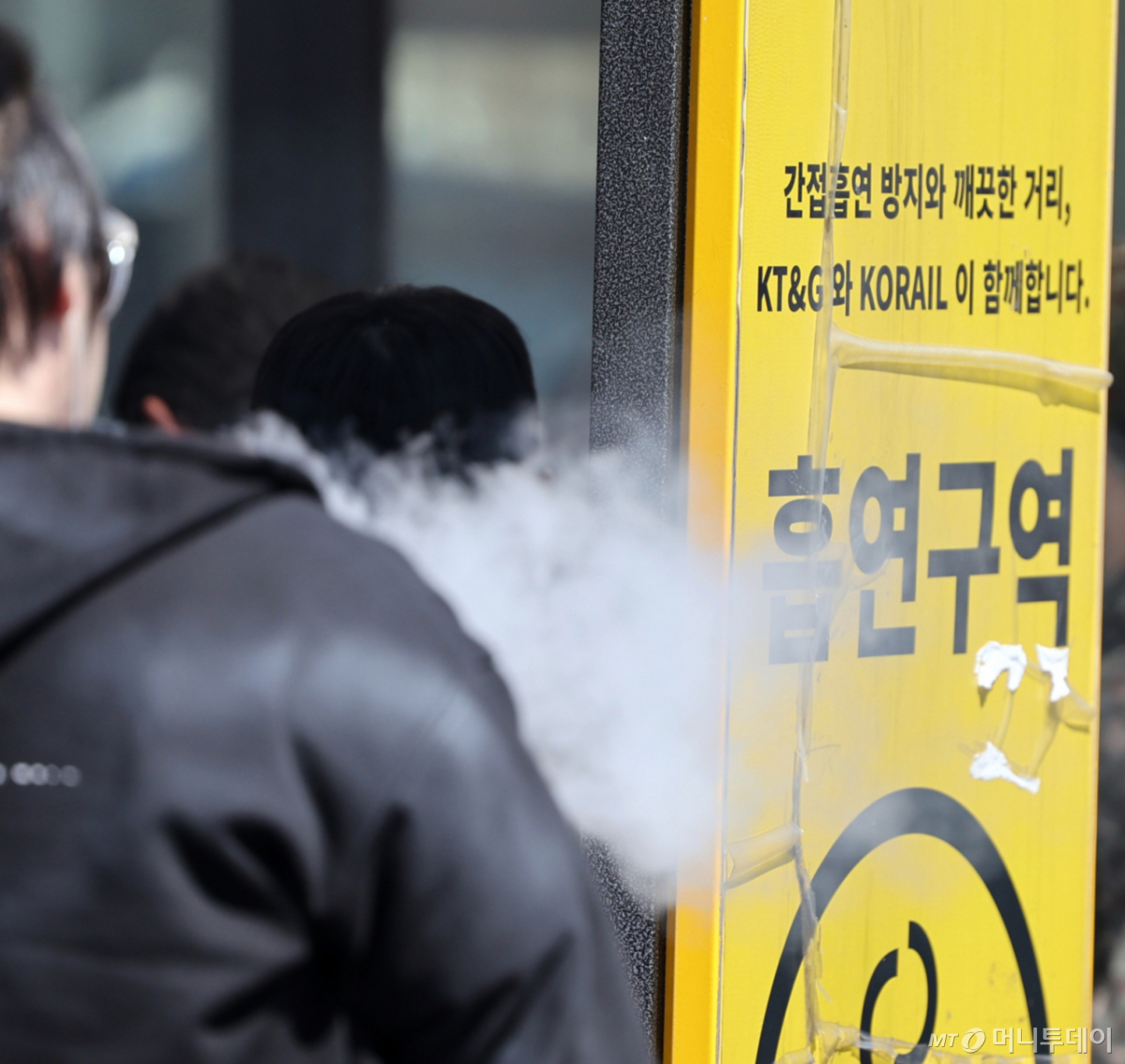
Formaldehyde and benzene, among four Group 1 carcinogens, were detected in all 256 conventional cigarette products sold domestically. Formaldehyde, a Group 1 carcinogen, was also confirmed in 203 out of 209 heated tobacco and e-liquid electronic cigarette products (97.1%).
Going forward, general consumers will be able to check the types and detection levels of Class 1 carcinogens such as formaldehyde and benzene, in addition to nicotine and tar content, through the substance labeling on cigarette packs.
On Thursday, the Ministry of Health and Welfare and the Food and Drug Administration disclosed the results of harmful component testing for 465 tobacco products sold domestically, following deliberation by the Tobacco Harm Management Policy Committee. This is the first statutory test result since the Tobacco Harm Management Act was implemented in November last year. The targets were 256 conventional cigarettes, 104 heated tobacco electronic cigarettes, and 105 e-liquid electronic cigarette products from 20 manufacturing and import sales companies.
Test results showed that all 256 conventional cigarette products contained Group 1 carcinogens: formaldehyde, benzene, 1,3-butadiene, and cadmium. Formaldehyde levels ranged from 39.5 to 181 micrograms per stick, while benzene ranged from 19.6 to 99.9 micrograms. Tobacco-specific nitrosamines (potent carcinogens found only in tobacco products), NNN and NNK, were also confirmed in 255 products each.
Formaldehyde was detected in all 104 heated tobacco electronic cigarette products. Detection levels ranged from 5.4 to 12.1 micrograms per stick, with NNN confirmed in 87 products and NNK in 88 products. In e-liquid electronic cigarettes, formaldehyde was detected in 99 out of 105 products (94.3%), while NNN and arsenic were found in two products each, and NNK in one product.
The government applied an enhanced collection method to conventional cigarettes and heated tobacco electronic cigarettes in this test, which better reflects actual smoking habits. Accordingly, it explained that the test results may appear higher than the nicotine and tar values previously displayed on cigarette packs. For e-liquid electronic cigarettes, the liquid itself was analyzed rather than the emissions, considering differences based on device-specific usage conditions.
It also emphasized that one should not judge a specific tobacco product to be less harmful solely because the detection levels of some harmful components are low.
The government plans to monitor advertising and promotions by tobacco companies that excerpt test results or make simple comparisons to mislead consumers. Synthetic nicotine cigarettes will be included in the scope of harmful component testing and disclosure starting next year.
The government also finalized the 1st Basic Plan for Tobacco Harm Management (2027–2031) on that day. It plans to expand the number of tested components to approximately 50 for cigarettes and heated tobacco electronic cigarettes, and to approximately 30 for e-liquid electronic cigarettes by 2030, and to broaden the scope of management to include smokeless tobacco and leaf roll-your-own products starting in 2029. It will also promote shortening the deadline for requesting tests on new products and strengthening the management of flavoring additives.

 in LIVING
