

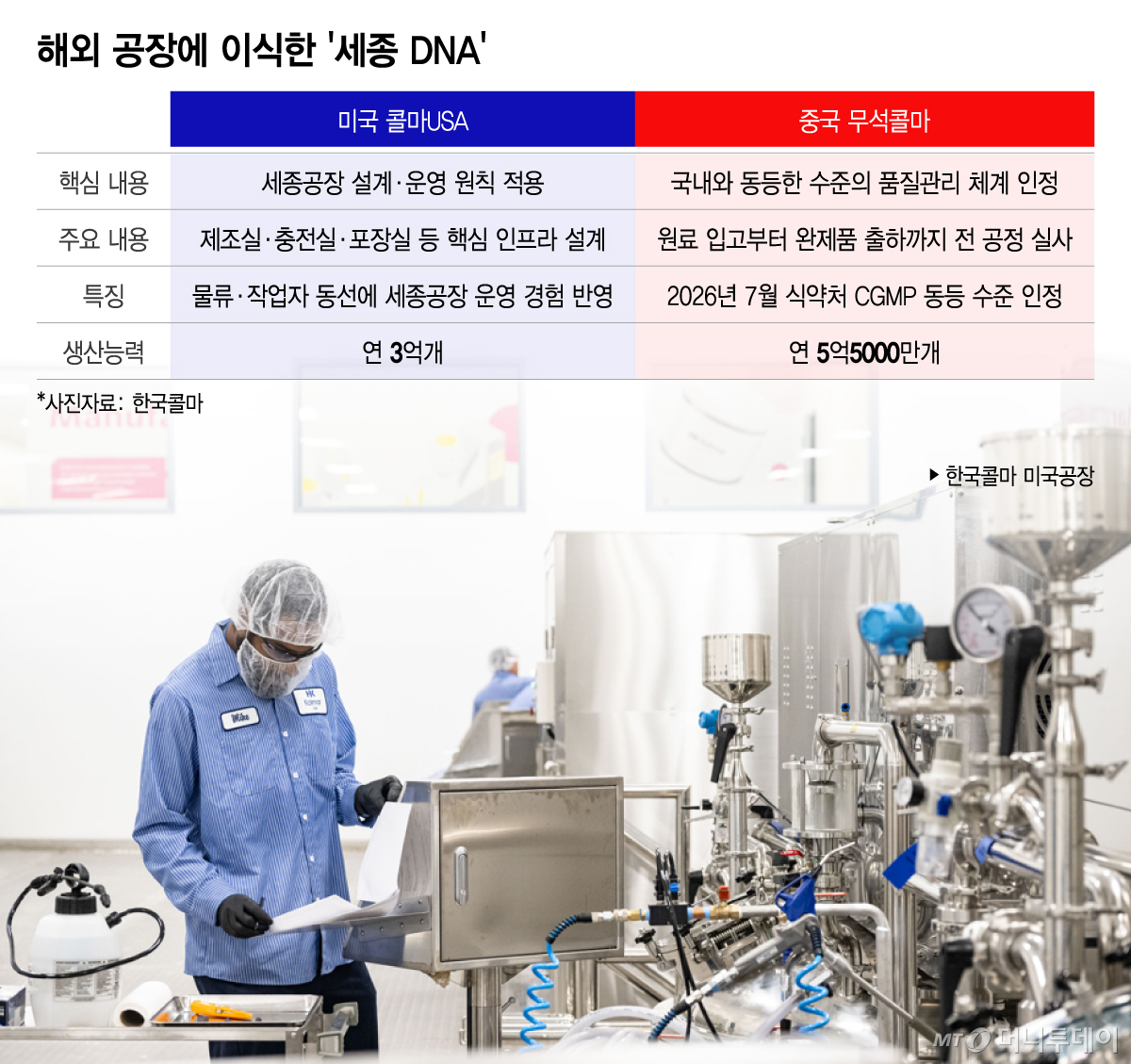
As overseas production increases, there is an unavoidable question for K-beauty: where was it made? If the quality of products made in Korea differs from those made in the U.S. and China, the value of the ‘K’ name could also be shaken. Korea Kolmar is addressing this issue by transplanting the manufacturing systems and quality control standards built at its Sejong plant to overseas production bases.
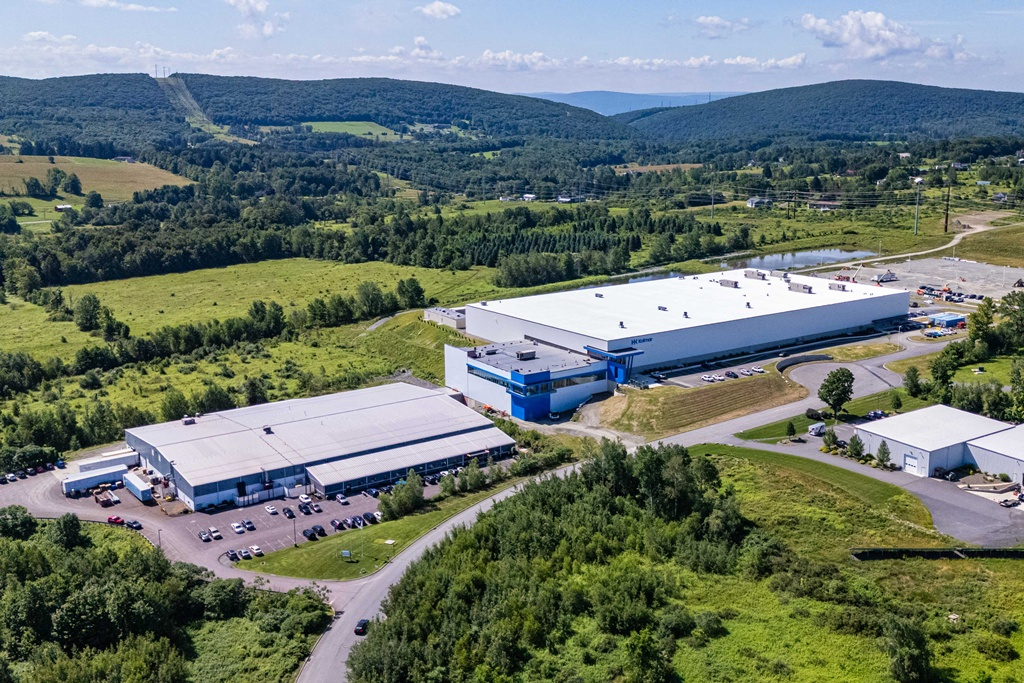
The Sejong plant serves as the prototype for the production systems and quality standards applied to overseas plants. The Kolmar USA plant in the U.S. is a representative example. Built last July in Scott Township, Pennsylvania, with a total floor area of 17,805 square meters, this plant is the first case of a Korean cosmetics company directly constructing a factory in the U.S. without acquiring an existing one. Plant 1 handles color cosmetics, while Plant 2 is responsible for basic skincare and sun care, enabling full-category ODM production locally.
Core facilities such as manufacturing rooms, filling rooms, and packaging rooms were designed based on the operational experience of the Sejong plant. The same principles were applied to logistics and worker movement paths. Eighty percent of the entire process has been automated, and an AI-based quality monitoring system has also been introduced. The annual production capacity of the U.S. plant is 300 million units, and the North American production capacity, including the Canadian subsidiary, is approximately 470 million units. Locally produced goods target the North American and Latin American markets.
Wuxi Kolmar in China is Korea Kolmar’s largest overseas base, with an annual production of 550 million units. In July last year, it received recognition from the Ministry of Food and Drug Safety for a manufacturing and quality control system equivalent to domestic CGMP standards. This plant is the first case of an overseas factory by a domestic cosmetics manufacturer receiving such recognition. The entire process, from raw material intake to finished product shipment, was subject to local inspection.
The U.S. plant has applied the design and operational methods of the Sejong plant, while the Chinese plant has received recognition for a quality control system equivalent to that in Korea. Korea Kolmar is focusing on planting the manufacturing know-how and quality standards accumulated in Korea at local sites while simultaneously expanding its overseas production bases. The strategy is to maintain the quality competitiveness of K-beauty even as production locations change.

 in LIVING

