

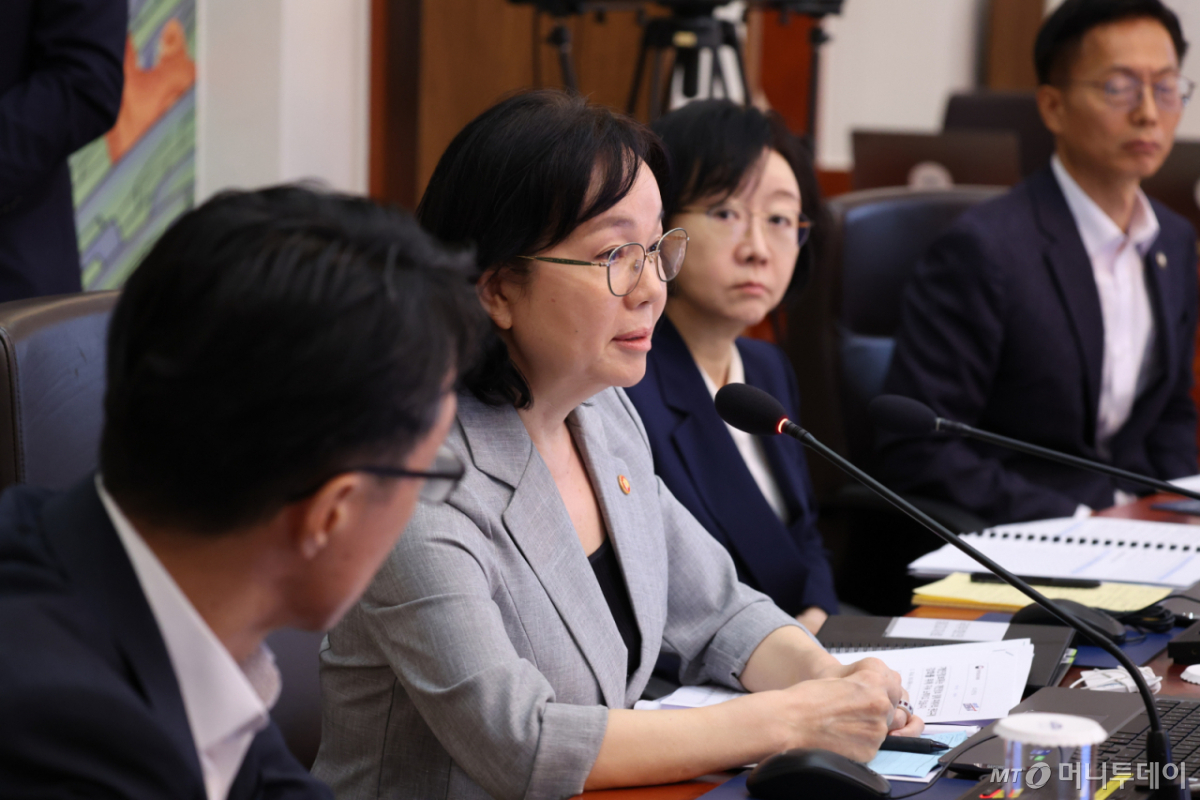
The Personal Information Protection Commission plans to comprehensively reform its personal data protection regulations to align with the artificial intelligence (AI) era. The Commission has established a 'Personal Data System Innovation Task Force' and announced that it will begin publicly soliciting ideas for regulatory improvements from citizens starting on the 6th.
This overhaul comes from the judgment that the existing "consent-based" personal data protection system, maintained for over 30 years, is no longer suitable for the AI environment. The Commission identified key improvement challenges including repetitive consent procedures, restrictions on overseas joint research using pseudonymized information, limitations in utilizing AI agent services, and new privacy issues arising from emerging technologies such as smart glasses.
In particular, the Commission explained that under current regulations requiring individual consent every time an AI agent links and performs multiple services on behalf of a user, service innovation could be hindered. It also cited international joint research difficulties as a major example where regulations on transferring pseudonymized information overseas for scientific research, such as in healthcare, pose obstacles.
The Personal Information Protection Commission will accept opinions from citizens, businesses, institutional investors, and academia through its personal data portal and the Communication Innovation 24 platform until the end of this month. Following public forums and seminars to build social consensus, it plans to announce directions for innovating personal data regulations suited to the AI era before the end of the year.
Song Kyung-hee, Chairperson of the Personal Information Protection Commission, stated, "We will create a new balance that ensures personal data is protected safely in the AI age while being responsibly utilized in ways that benefit citizens and society," adding, "We will pursue on-the-ground regulatory innovations that citizens can directly experience."

 in TECH
