

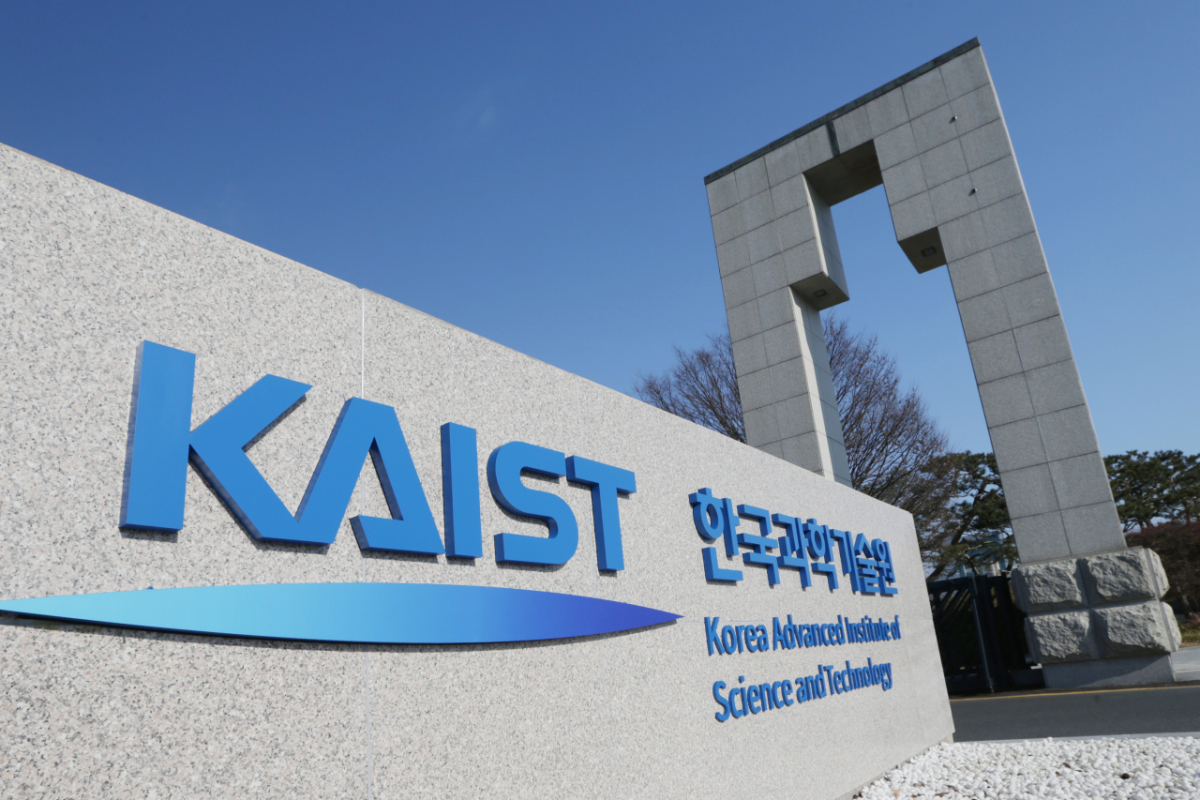
The competition ratio for the four major science and technology institutes (KAIST, UNIST, GIST, and DGIST) in the 2027 early admission round has been recorded at an all-time high.
According to data submitted by the four major science and technology institutes and released on the 27th by Democratic Party of Korea lawmaker Hwang Jung-a, a total of 33,349 applicants applied for the 2027 undergraduate early admission round, which recruited 2,067 students across the four institutes, resulting in a competition ratio of 16.1 to 1.
This is the highest figure since 2014, when all four major science and technology institutes implemented early admissions. The total number of applicants increased by 36.5% (8,926 people) compared to the previous year (24,423).
KAIST recorded its highest competition ratio in 42 years since it first admitted undergraduate students in the 1986 academic year. UNIST and DGIST also recorded their all-time highest competition ratios for the first time in 19 and 14 years, respectively.
By institution, KAIST, which recruited 865 students, received 8,394 applications, resulting in a competition ratio of 9.7 to 1. DGIST recorded a competition ratio of 28.6 to 1 with 9,208 applicants for 322 spots, the highest figure among the four major science and technology institutes. UNIST received 11,211 applications for 565 spots, resulting in a competition ratio of 19.8 to 1. This is the first time since its founding that the number of applicants has exceeded 10,000. GIST recorded a competition ratio of 14.4 to 1 with 4,536 applicants for 315 spots.
Lawmaker Hwang Jung-a stated, "The fact that the early admission competition ratios at the four major science and technology institutes have reached an all-time high and the number of applicants has also hit a record level is a signal that students are clearly moving toward science and engineering fields." She added, "We will further strengthen the growth ladder for science and engineering by ensuring that talents can continue their majors and research after entering the institutes, through measures such as military service exemptions for science and engineering majors, improved treatment of researchers, and support for deep tech startups."

 in TECH
