

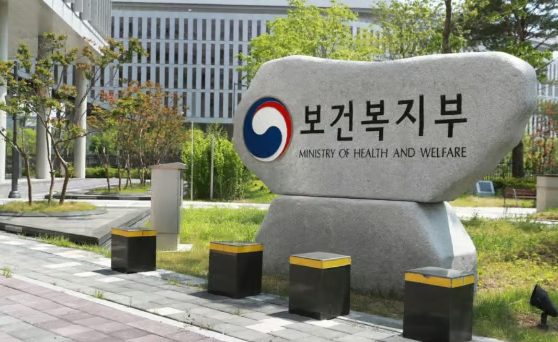
The government discussed plans to build a region-specific healthcare system that takes into account the geographical characteristics of Jeju Island and the distribution of medical resources.
Considering the limitations on transferring critical and emergency patients to other regions and the reality that medical resources are concentrated in Jeju City, field opinions were also gathered to strengthen the essential healthcare safety net and resolve medical disparities within the province.
The Ministry of Health and Welfare said that it held a "Jeju Regional Roundtable for Medical Innovation" at the Jeju Special Self-Governing Province Office, together with the Medical Innovation Committee, with participation from local residents and medical field officials.
This roundtable was the final schedule of the nationwide tour of eight regional roundtables that began in February.
The ministry and the Medical Innovation Committee had previously visited seven regions to listen to opinions on accessibility to medical institutions, provision of essential healthcare services, transfer and treatment linkage for emergency patients, and securing medical personnel from residents, patients and caregivers, medical professionals, and local government officials.
In Jeju, the final host location, issues regarding medical accessibility due to its geographical characteristics as an island were addressed as major current issues.
This is because there are limitations in transferring critical and emergency patients to medical institutions on the mainland, and medical resources are relatively concentrated in Jeju City, resulting in differences in conditions for utilizing regional medical services across the province.
Plans to maintain the region's obstetric infrastructure, including obstetric medical institutions and specialized personnel, and to strengthen response capabilities for newborns and emergency deliveries as well as the critical pediatric care system were also presented as major discussion topics.
Minister Chung Eung-kyeong, officials from the Medical Innovation Committee, and some 20 Jeju residents and medical professionals attended the roundtable that day. Minister Chung directly participated in residents' discussions to listen to their experiences and improvement requests during the process of utilizing healthcare services.
The roundtable was conducted in two parts: Part 1 for sharing opinions on regional healthcare in general, and Part 2 for in-depth discussion of major current issues. In Part 1, key results from the "Medical Innovation Citizen Panel Public Discussion for the Revitalization of Regional and Essential Healthcare" held in July were shared.
Subsequently, Jeju residents and medical field officials exchanged opinions on problems experienced and directions for improvement in regional and essential healthcare.
In Part 2, there was focused discussion on building a self-contained medical system capable of providing necessary medical services within the region and plans to resolve medical disparities within the province. Opinions were also gathered to supplement the essential healthcare safety net, such as strengthening primary and public healthcare, maternal and emergency healthcare systems, and resolving regional medical gaps through local-led initiatives.
Minister Chung said, "Ensuring that every citizen can receive necessary medical care in a timely manner, regardless of where they live, is an important responsibility of national health policy."
She added, "In particular, considering Jeju's geographical characteristics as an island and the regional medical conditions within the province, it is important to establish a system capable of stably responding to essential medical needs such as emergencies and childbirth within the region."
She said that the government will comprehensively review the opinions gathered from the nationwide regional roundtables and actively reflect them in future medical innovation discussions, including strengthening the provision of medical service systems suited to regional conditions and the essential healthcare safety net.

 in THEBIO
