

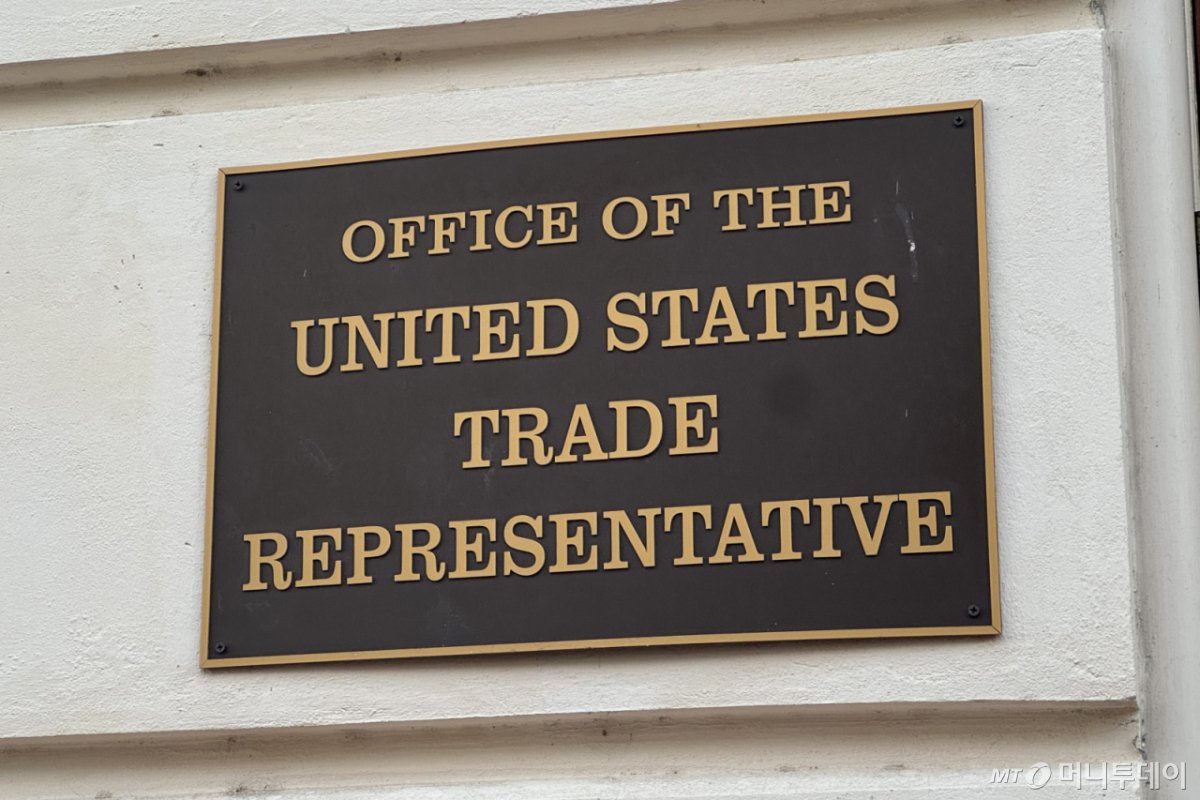
The U.S. Trade Representative (USTR) announced plans to impose "overcapacity tariffs" under Section 301 of the Trade Act on major trading partners, including South Korea, while maintaining the tariff cap on Korean products at within 15%, as per existing agreements. Minister Kim Jung-kwan of the Ministry of Trade, Industry and Energy, the competent ministry, assessed that if the final 15% line is upheld, it would be "a performance exceeding expectations."
On the 25th (local time), the USTR announced a plan to impose new tariffs on 14 trading partners, including South Korea, Japan, China, and the European Union (EU), in response to structural industrial overcapacity. This is a follow-up measure to reconstruct tariff barriers by invoking Section 301 of the Trade Act after the U.S. Supreme Court's ruling in February invalidating reciprocal tariffs. Mexico and Norway were excluded from the original list of 16 countries under investigation.
The risk of "cumulative tariff stacking," which domestic export companies had feared, has been resolved. The USTR stated that new tariffs on South Korea would not exceed the cap (15%) set in last year's U.S.-South Korea trade agreement. It explained that this is not a method of adding to the Section 301 tariffs related to forced labor (12.5%), which were finalized in July.
However, it also explicitly noted the possibility of raising the tariff rate to 25% if future negotiation results or commitments are unsatisfactory. This measure is not final and is expected to take effect after January next year, following public comment solicitation and hearings after publication in the Federal Register.
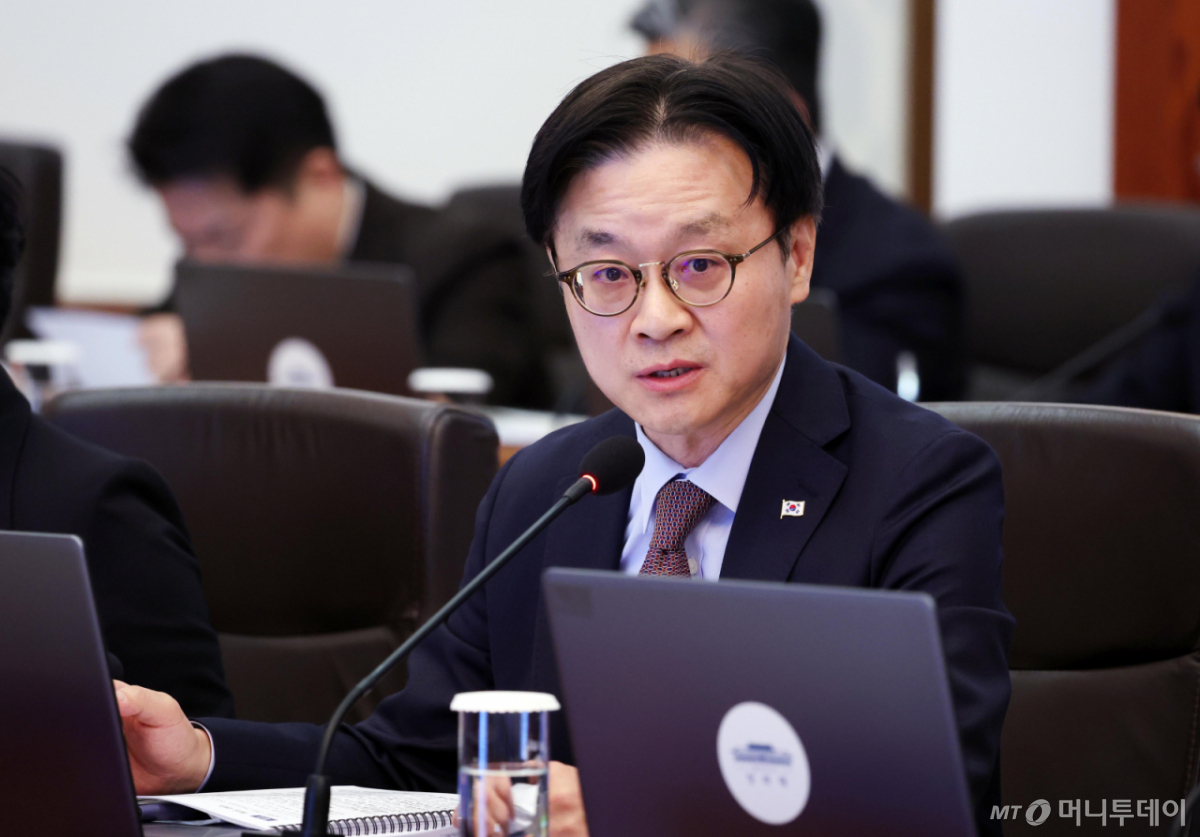
Minister Kim Jung-kwan of the Ministry of Trade, Industry and Energy stated at a press conference held the previous afternoon in the Ministry of Trade, Industry and Energy press room at the Government Complex in Sejong City regarding the U.S. measures, "If we can ultimately maintain 15%, I think it is a performance exceeding expectations."
Minister Kim specifically mentioned that this year's trade balance surplus with the U.S. has surged from approximately $50 billion last year to over $100 billion, emphasizing the significance of existing investment agreements with the U.S. He said, "In the current situation, if we had faced a scenario where the trade balance surplus with the U.S. more than doubled compared to last year without the framework for U.S. investment, it would have been an unimaginably heavy burden."
Regarding the U.S. side continuously raising issues about South Korea's large trade surplus with the U.S., he conveyed that he explained to the U.S. side, "We do not sell semiconductors because we want to; it is because U.S. demand is strong," and "Excluding semiconductors, the trade balance surplus with the U.S. is not large and is at a level similar to last year."
Minister Kim also stated, "Unlike when under World Trade Organization (WTO) norms in the past, it has become an era where if the numbers (trade balance surplus size) are large, that is considered wrong," adding, "The trade environment remains uncertain, incomplete, and unstable."

 in ECONOMY

