

[For more diverse company information on startups mentioned in this article, visit the Unicorn Factory big data platform 'Data Lab'.]
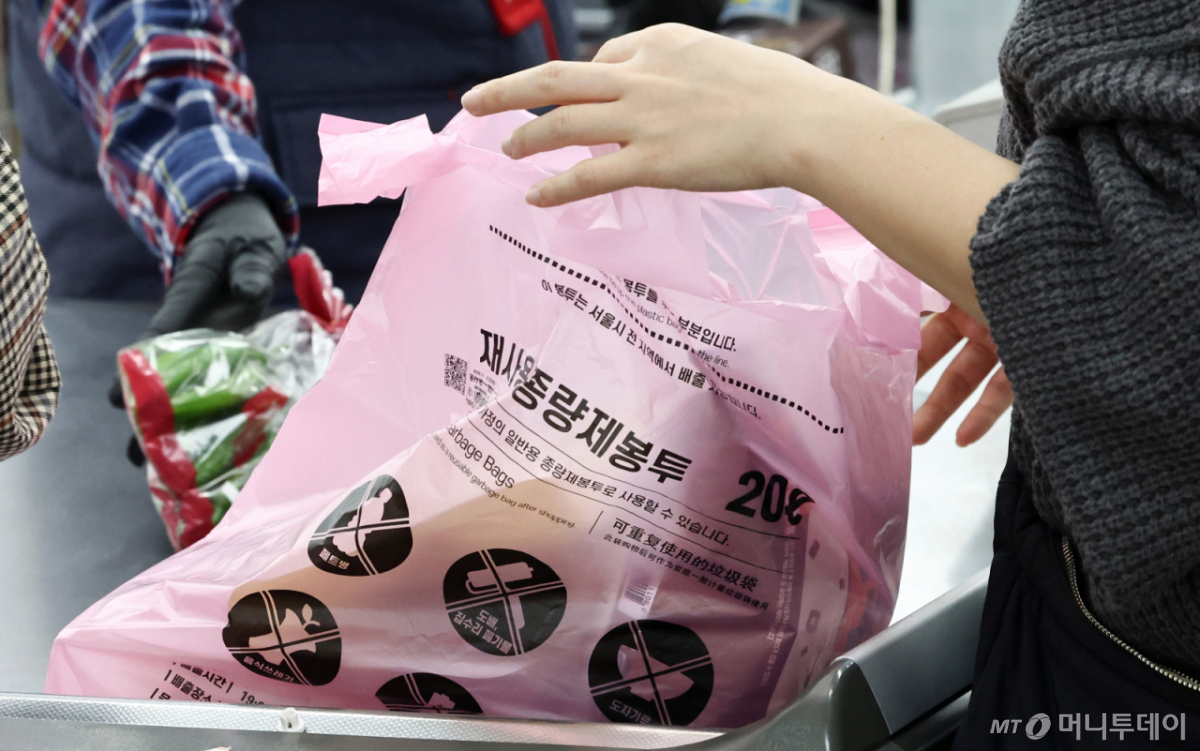
As oil-based raw material prices, including naphtha (naphtha), surged due to the Middle East war, alternative raw material plastics being developed by startups are gaining attention. Since these plastics contain a smaller proportion of oil-based materials, their price increases are limited. In some cases, alternative raw material plastics have become cheaper than conventional plastics, leading to a steady stream of supply inquiries from related companies.
Startup The Day Lab, which develops bio-plastic materials using natural raw materials such as starch and cellulose, announced on the 2nd that inquiries about supplying delivery and convenience store bags have surged since the Middle East war. Previously, despite the advantage of biodegradability, adoption was slow due to high prices, but with rising conventional plastic prices, they have now gained price competitiveness, according to the company.
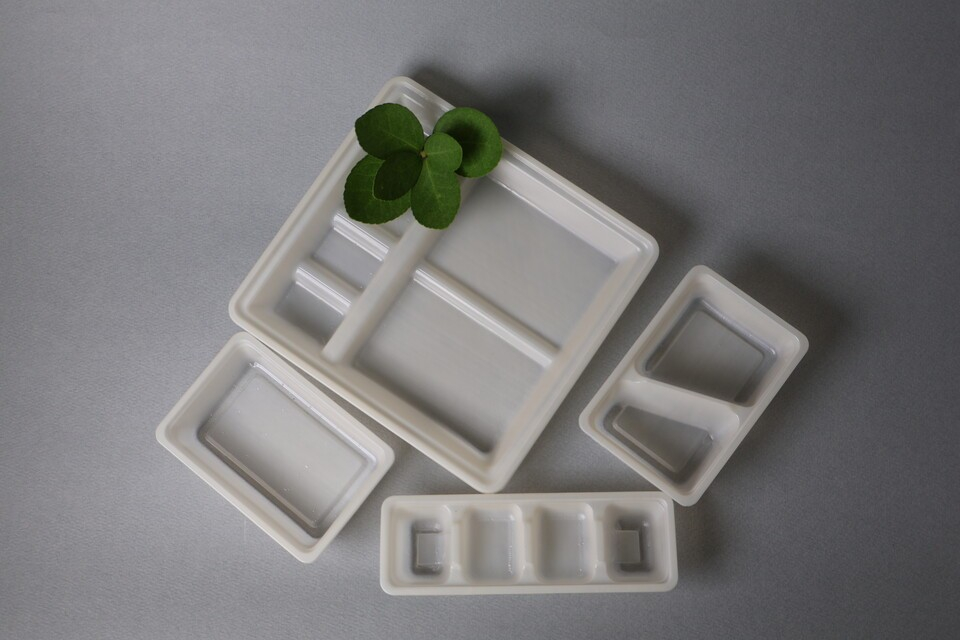
The Day Lab's bio-plastic also uses some oil-based raw material PBAT (biodegradable plastic). However, unlike general biodegradable plastics that are 100% PBAT, The Day Lab's product consists of only about 60% PBAT and 40% natural materials such as starch. Therefore, the impact of supply fluctuations caused by the Middle East war is minimal. Lee Ju-bong, CEO of The Day Lab, stated, "Although some biomass plastic prices have risen, the increase has been limited." He added, "As conventional plastics have become significantly more expensive, we can now even supply at prices lower than HDPE (high-density polyethylene)." He further noted, "We are also receiving requests for products beyond plastic bags, such as delivery containers, and are currently supplying related items."
Startup Nuro Pack, which develops agricultural mulch films using PLA (polylactic acid) made from corn starch and Busan oyster shells, has also seen an increase in related inquiries. These products are characterized by the use of PLA for natural decomposition after use and minimizing the proportion of naphtha during development. Ko Ui-seok, CEO of Nuro Pack, said, "Previously, these were more expensive than conventional mulch films, but now there is virtually no price difference," adding, "Orders have definitely increased."
Studio Dasimulgyeol, which creates biodegradable buoys using Misaeng water extract raw material (PHA), faces a similar situation. The studio stated, "If the naphtha supply shortage in the buoy market continues for an extended period, production of buoys made from HDPE and PP could also be disrupted," noting, "Since we utilize PHA, we are free from such issues."
To improve the petrochemical industry structure and overcome environmental pollution… Long-term support needed
Until before the Middle East war, the business conditions for new material industries, including alternative raw material plastics, were not bright. Although they had the advantage of solving environmental pollution through natural decomposition upon disposal, it was difficult to secure price competitiveness due to blood-price competition in the petrochemical industry from China and the Middle East. As a result, enthusiasm for startups in related fields has cooled, and some venture and startup companies have even faced management difficulties.
Industry voices are calling for government support to allow alternative raw material plastics to continue seizing opportunities. The rationale is that these plastics can solve environmental issues and help improve the domestic petrochemical industry's structure toward high-value-added products in the long term. Industry discussions include providing subsidies similar to those for electric vehicles or offering incentives such as carbon emission rights to companies using these materials to secure competitiveness.
An industry official stated, "Companies producing alternative raw material plastics must exist so that even if supply chain problems arise again, they can be overcome." He added, "To strengthen the competitiveness of the domestic petrochemical industry, support for high-value-added alternative raw material plastic technologies is also necessary."
[MoneyToday Startup Media Platform Unicorn Factory]

 in FUTURE

