

[For more diverse corporate information about the startups mentioned in this article, please visit Unicorn Factory's Big Data Platform 'Data Lab'.]
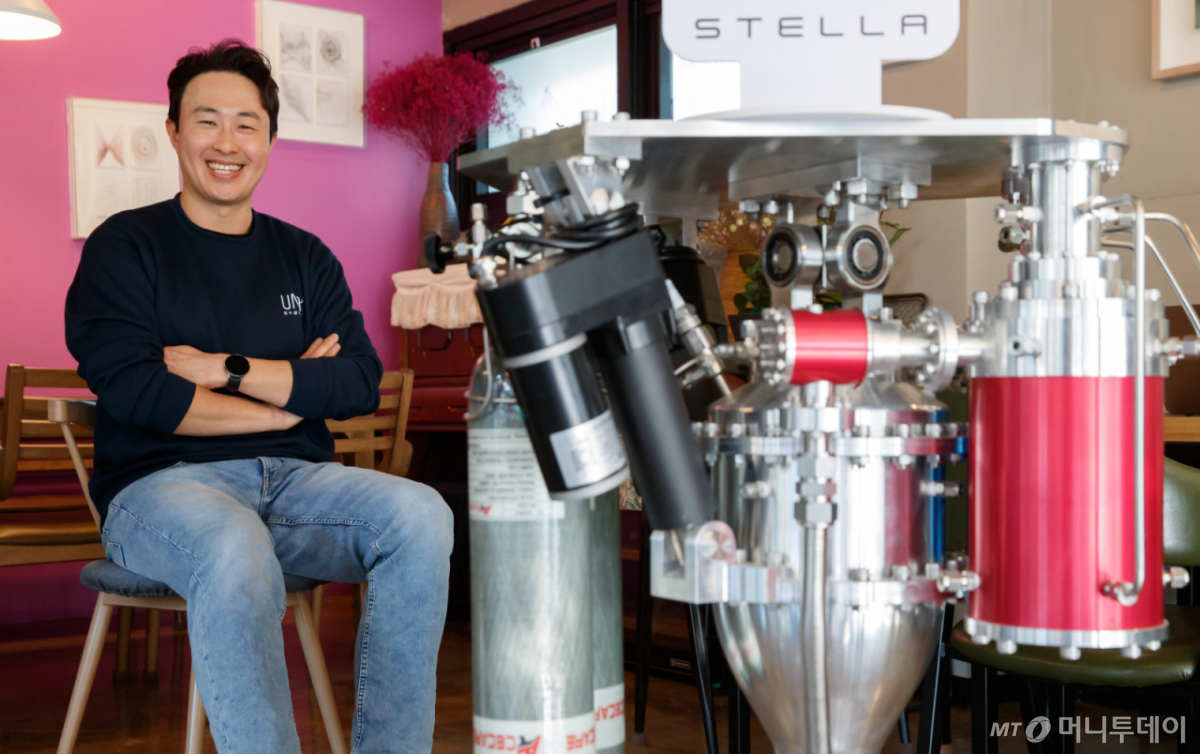

Amid the New Space trend sparked by Elon Musk's SpaceX, a startup that has demonstrated the potential of Korea's private launch vehicle industry is drawing attention. It is 'Unastella', the first domestic private company to successfully conduct a rocket test launch within Korean territory.
Established in February 2022, Unastella develops the small launch vehicle 'Una Express' series based on an electric motor pump cycle engine. It has the capability to independently carry out all processes from development to testing and launch through its Gochang launch site in Jeollanam-do, Yeosu engine test facility, and Daejeon assembly facility.
Last May, Unastella successfully conducted a test launch of 'Una Express No. 1' at the Gochang launch site. This marks the first case where a private company launched a rocket it developed itself within Korea, achieved in about three years since its establishment.
Recently, it secured Series B funding worth 33.5 billion won, laying the foundation to further enhance its capabilities in launch vehicle development and operation. The goal is to accelerate the entire launch vehicle business, leading to satellite launch services and suborbital manned spaceflight at an altitude of 100 kilometers.
Investors: "Proven through actual launch, not just plans, within three years"
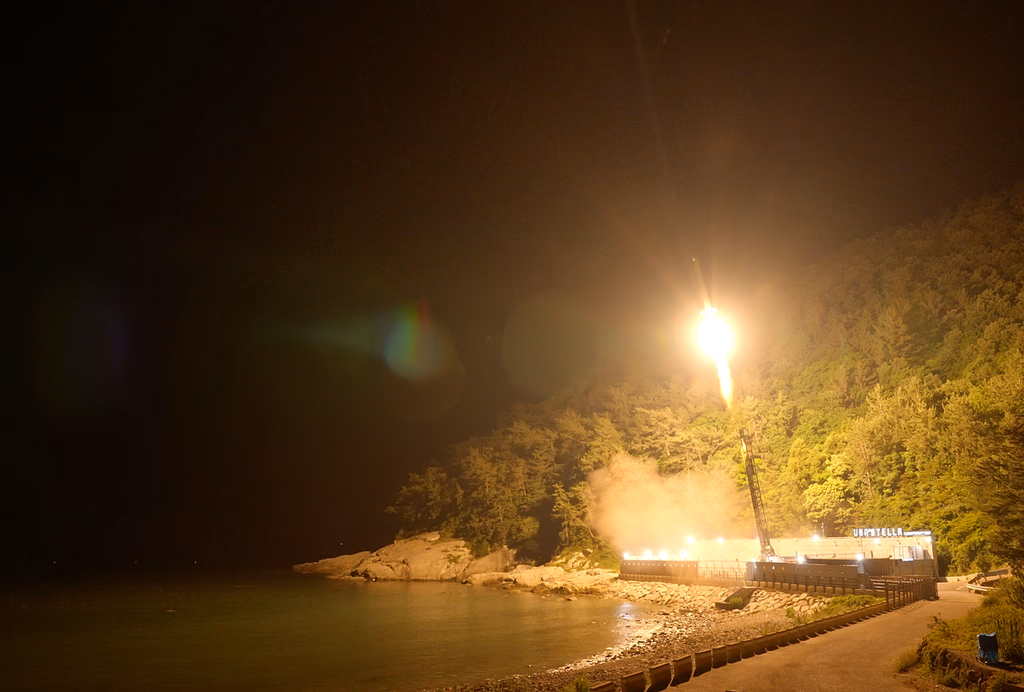
Unastella's Series B round was led by AlToss Ventures, a Silicon Valley-based VC (venture capital firm). Korea Development Bank joined as a new investor, along with domestic and international investors including Strong Ventures, Samsung Capital, Woori Venture Partners, Samho Green Investment, and Hana Ventures.
Investment firms highly evaluated Unastella's technical capabilities and the founder's execution power. Song Kyung-chan, a partner at AlToss Ventures, stated, "In deep tech investments, the most important thing is a team that can solve difficult technical challenges to the end," adding, "Park Jae-hong (CEO) is an excellent engineer who has directly designed launch vehicle engines."
He further remarked, "We saw immense potential in the founder for proving capabilities not through plans but through actual launches within about three years of establishment. This pace is fast even compared to global companies. In capital-intensive industries, speed translates into capital efficiency," he added.
The business model (BM) is also considered highly differentiated. Partner Song said, "By choosing a differentiated engine path using an electric motor pump cycle, they are simplifying the structure and pursuing low costs suitable for the small launch vehicle market. Their strength lies in their ability to independently handle everything from development to testing and launch."
He continued, "By repeatedly providing small satellite launch services, they can secure unit prices and reliability before expanding into suborbital manned flights and engine and component technologies. As the number of launches accumulates, unit costs decrease while demand increases, creating a business where economies of scale take effect," he added.
Growing small satellite launch market… Korean manufacturing capabilities also become an asset
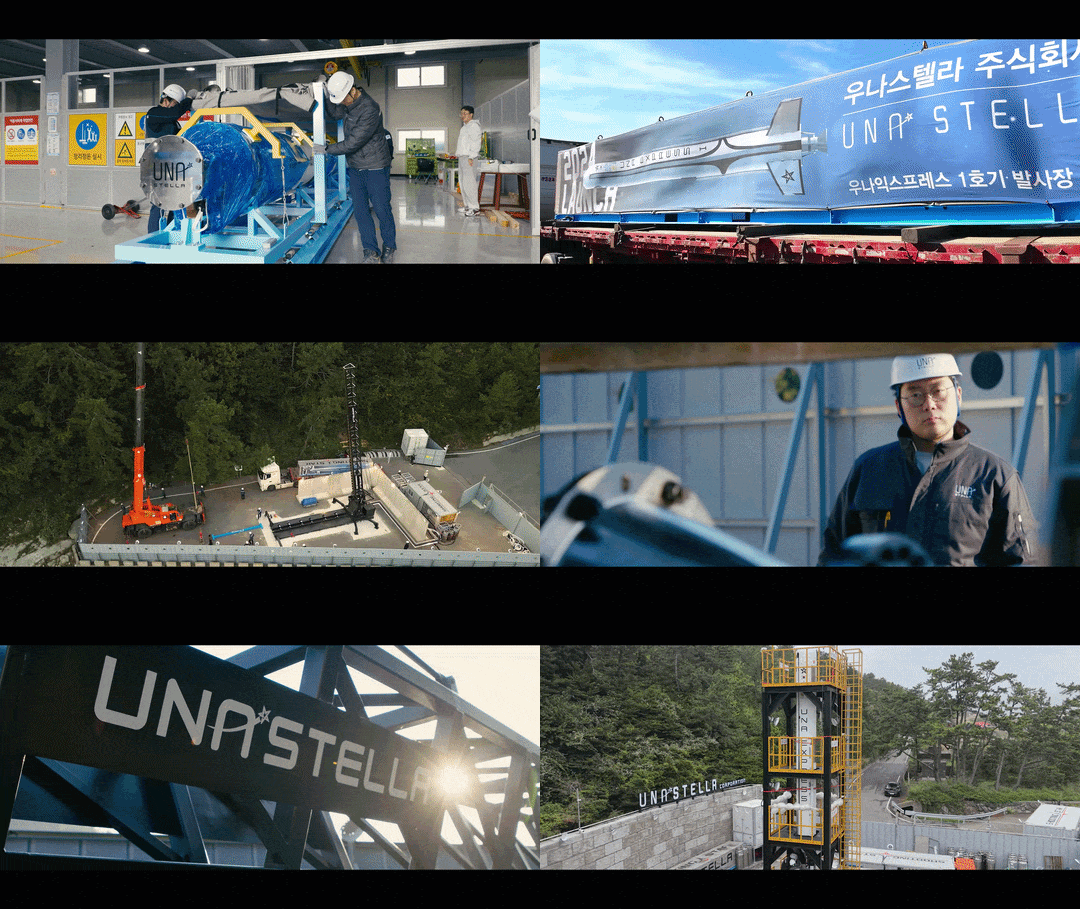
The growth trend of the global small satellite launch market is also a key rationale for investment decisions. He stated, "With increasing demand for constellation satellites in areas such as satellite internet, Earth observation, and defense, dedicated small launches that 'place payloads at desired orbits at desired times' are establishing themselves as a distinct market."
He also viewed Korea's manufacturing base as a significant asset. Partner Song said, "Korea already possesses world-class manufacturing and engineering capabilities in areas ranging from semiconductors to precision manufacturing, materials, and batteries. This forms the foundation directly connected to launch vehicle engines and satellite components."
He diagnosed, "When proven manufacturing capabilities meet execution power, they can compete globally through price and reliability. The small launch segment is a space where Korea can enter without directly confronting giants in super-large launch vehicles."
Partner Song explained, "However, growth cannot be guaranteed by one or two successes alone; repeated success is key to commercialization. Unastella is addressing this challenge by managing costs directly through its own facilities and steadily accumulating reliability data through repeated launches."
He emphasized, "I hope Korea becomes a country capable of reaching space independently. As an investor, we do not pursue only financial returns but will support Unastella in becoming a company that pushes difficult technologies to the end and defines new categories within the industry."
[MoneyToday startup media platform 'Unicorn Factory']

 in FUTURE


