

[For more diverse corporate information on startups mentioned in this article, visit Unicorn Factory’s big data platform 'DataLab'.]
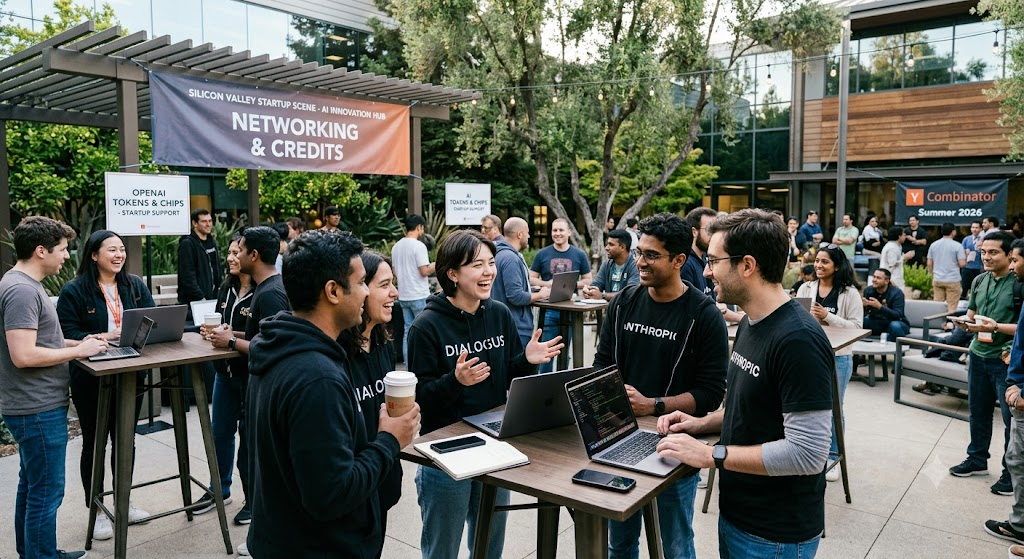
"Would you like to try our AI model? We’ll give you free credits." Hans Ibarra, founder of Dialogues, an AI voice startup based in Silicon Valley, recently received repeated outreach from the sales teams at OpenAI and Anthropic. It’s not just Ibarra; many Silicon Valley startup founders are receiving similar offers. Ibarra stated, "For early-stage startups with limited funding, the cost of AI credits itself is a significant burden," adding, "If we hadn’t received free credits, we would have had to aggressively seek external investment to cover costs."
"The global AI (artificial intelligence) power struggle is escalating into a 'free credit war' targeting startups. Major companies like OpenAI, Anthropic, and Google are offering massive amounts of free AI credits and cloud services to secure early-stage startups that will become their future large-scale customers."
"The Main Battleground Is Y Combinator… Benefits Comparable to Seed Rounds"
"According to a recent report by The Wall Street Journal (WSJ), some early-stage startups in Silicon Valley are now receiving credits totaling up to $3 million (approximately 4.4 billion won) from multiple large AI companies. This amount is comparable to the average seed round for U.S. startups."
"Ibarra noted, 'Whether or not you have these credits determines the speed of your product growth.' He added, 'Many founders say they no longer feel pressured to rush external funding thanks to free credits.' This indicates that many early-stage startups now possess the resources to enhance their own services without needing outside investment."
"The most intense battleground is Y Combinator (YC), the startup academy of Silicon Valley. In May, OpenAI CEO Sam Altman declared he would offer $2 million (approximately 3 billion won) in credits to YC-participating startups in exchange for equity. Anthropic immediately countered by offering $500,000 (approximately 700 million won) in free credits without requiring any equity stake. Stimulated by this move, OpenAI proposed new terms: $500,000 in credits with no equity requirement, plus an additional $1.5 million in credits tied to equity."
"It’s not just OpenAI and Anthropic. Google is providing select startups with up to $500,000 in cloud credits and early access to the Gemini model, along with opportunities for direct interaction with DeepMind engineers. Microsoft and Amazon Web Services (AWS) have also joined the fray by strengthening startup-specific benefits."
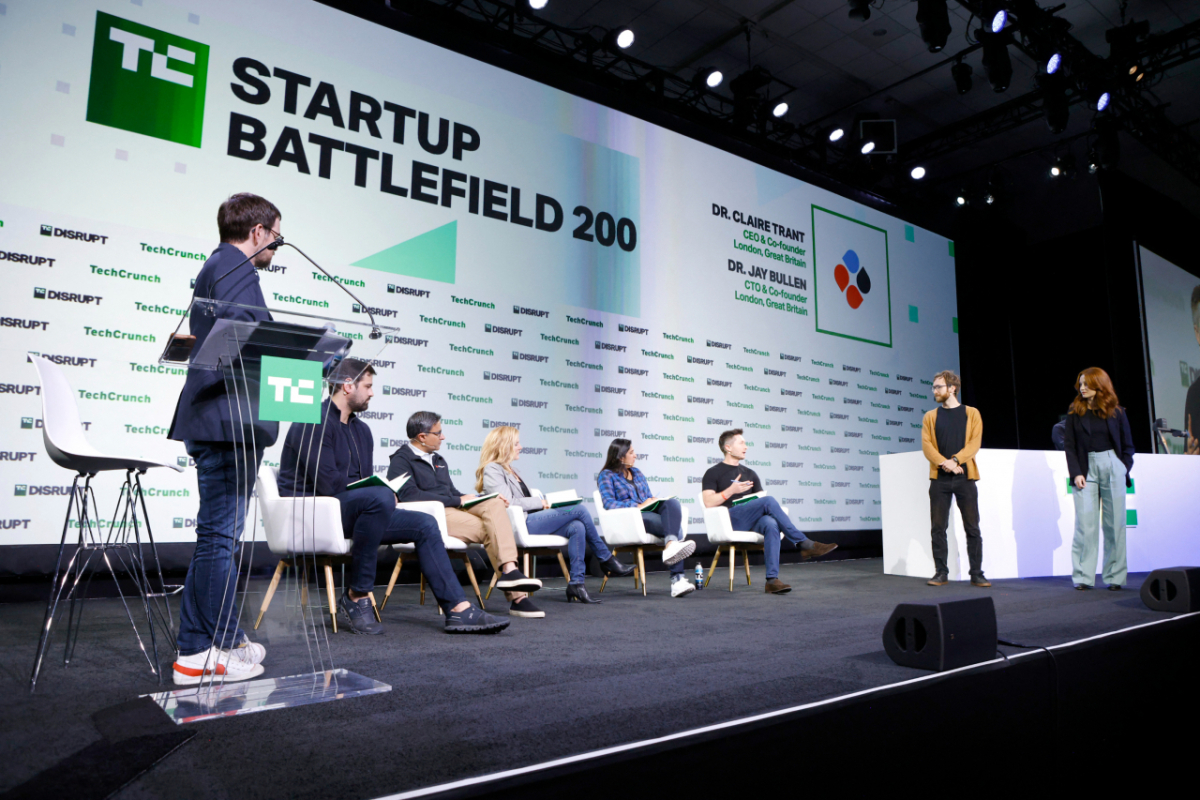
"Startups are the beneficiaries of this competition between two companies over their pride. For example, Touchmark, a startup that recently joined the YC program, received a combined 0.1 billion won in credits from both companies before even officially launching its business. Considering that YC runs four programs annually and selects approximately 200 startups per session, the total amount of free credits distributed by these two companies without equity requirements could reach up to $800 million (approximately 1.2 trillion won) per year."
"The reason AI companies are not shying away from bloodletting marketing is their anticipation of a 'lock-in effect.' If startups that develop products based on their models grow into unicorns (private companies valued at over $1 billion), they will be locked into the company’s infrastructure and unable to switch to other platforms. This perception has spread across big tech: securing startups now will determine the corporate customer market landscape in 10 years."
"Christopher Acker, co-founder of SuperPenguin, an AI cost-tracking startup, stated, 'If given a choice between cheap Chinese models that require payment and expensive Anthropic models available for free, most would naturally choose the latter.' He added, 'Even as OpenAI and Anthropic face pressure to improve profitability ahead of their IPOs this year, they are still offering free lunches because acquiring users is the key variable that will determine victory or defeat in this war.'"
"Concerns also arise about the extreme deterioration of profit margins for AI companies. Market research firm SemiAnalysis analyzed that platform providers are facing severe negative margins due to the intensifying phenomenon of 'token maxing' among subscribers to the highest-priced plans for Claude and ChatGPT. With the added competition over free credits, losses are expected to worsen."
"U.S. VC Investment in First Half of Year Surges by 600 Trillion Won… Even Overcoming the Pandemic Downturn"
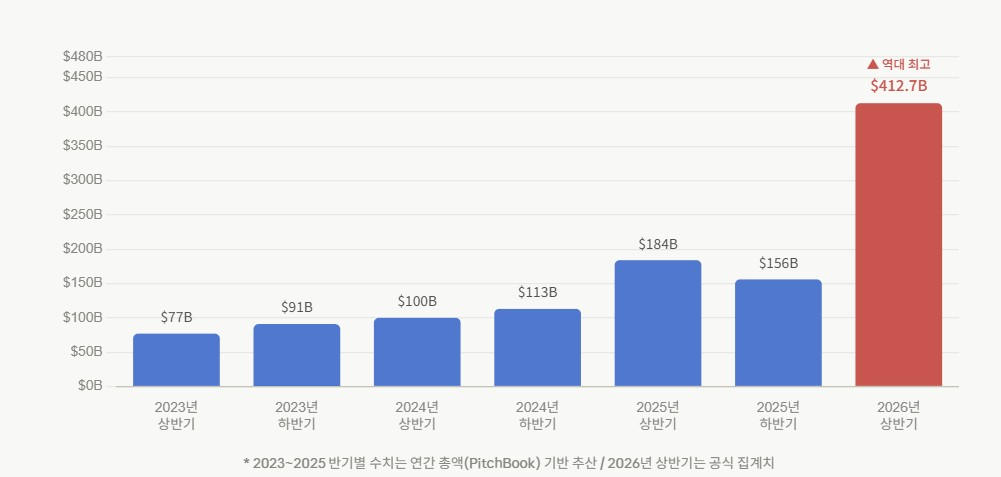
"The scale of U.S. venture capital (VC) investment in the first half of this year has reached a historic high. With large-scale investments concentrated in AI companies, more funds have flowed into the venture market than during the liquidity-rich 2021 pandemic period."
"According to the recently co-published 'Q2 Venture Monitor' report by PitchBook and the National Venture Capital Association (NVCA), U.S. VC investment in the first half of this year totaled $412.7 billion (approximately 611 trillion won). This figure is about 30% higher than last year’s total annual investment and surpasses the previous record of $358.2 billion set in 2021."
"AI drove the market’s explosive growth. 86% of all investment funds in the first half flowed into AI companies. In the second quarter alone, seven mega-rounds exceeding $1 billion were completed for companies such as Anthropic, Prometheus, and Anduril. The remaining 14% was invested in sectors like biotech, healthcare, and fintech."
"By investment size, rounds of 1 billion won or more accounted for 87.5% of total investment volume. Small investments under 1 billion won made up only 12.5%. The proportion of small rounds dropped sharply this year after 43.8% in 2024 and 33.1% in 2025."
"PitchBook views this trend not as a temporary overheating but as a structural change. It analyzes that AI coding tools have lowered software development costs, while big tech’s large language models (LLMs) provide foundational technology, fundamentally altering the startup founding paradigm."
"The report also issued a warning about market structures overly concentrated on specific themes and a few companies. It stated, 'If growth or profitability in the AI sector fails to meet expectations, the entire market could face widespread adjustments.' It further predicted, 'If a small number of winners monopolize profits, most companies that raised investments at high valuations will be exposed to significant risks.'"
"Why Saudi Oil Money Bets on Open-Source AI"
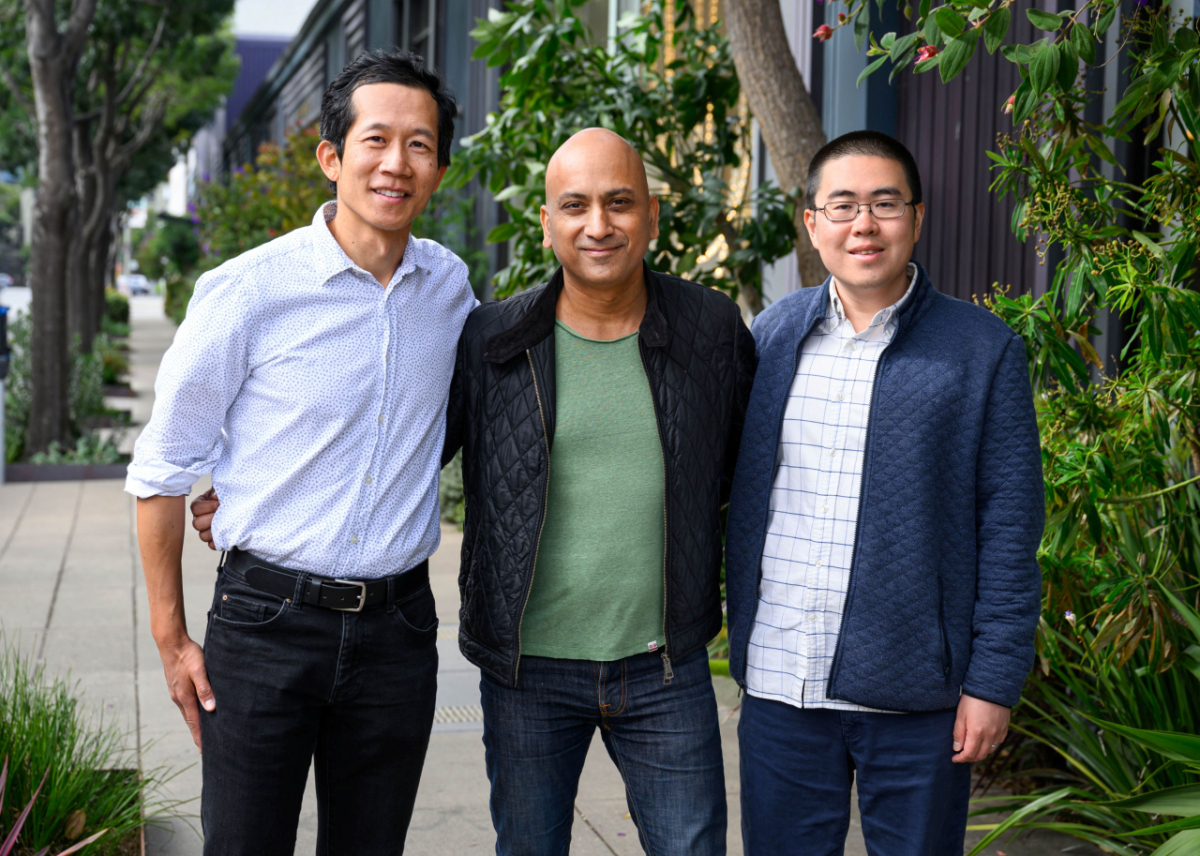
"TogetherAI, a startup providing infrastructure for running open-source AI models, recently raised $800 million (approximately 1.2 trillion won) in its Series C round. Its corporate valuation was assessed at $8.3 billion (approximately 12.3 trillion won), representing a 2.5-fold increase from its Series B valuation just over a year ago."
"According to TechCrunch and Business Wire, the round was led by Aramco Ventures, the venture arm of Saudi Arabia’s state-owned oil company Aramco. Investors also included NVIDIA, Vista Equity Partners, General Catalyst, and Emergence Capital."
"TogetherAI states its mission is to 'liberate AI from the monopoly of a few big tech companies.' Founded in 2022 by Stanford University professors and industry veterans, the company enables businesses to run services at costs ranging from six to sixty times cheaper than closed models like OpenAI or Anthropic by utilizing proven open-source models such as DeepSeek and Nemotron without needing to train their own systems."
"Large investment firms have taken notice of this company, believing it offers a practical escape route for businesses whose service margins have been severely eroded by skyrocketing big tech API costs. In fact, usage of open-source models on the platform has tripled over the past 12 months, and annual order backlogs have exceeded $1.15 billion (approximately 1.7 trillion won). Some analysts also suggest that Aramco’s role as lead investor reflects a strategic calculation by Middle Eastern oil money to avoid dependence on a U.S.-centric AI supply chain."
"Vipul Bedi Prakash, co-founder and CEO of TogetherAI, stated, 'Intelligence is becoming an essential resource for the modern economy, like electricity or capital.' He added, 'The future of AI will not be the exclusive domain of a few large corporations but will be built collaboratively by millions of developers through open source.'"
[MoneyToday Startup Media Platform Unicorn Factory]

 in FUTURE


