

[More diverse corporate information on the startups mentioned in this article can be viewed at the Unicorn Factory Big Data Platform 'Data Lab'.]
"ACs (accelerators/entrepreneurial planners) must create a structure that allows them to continuously participate in the growth process after identifying early-stage startups. They should broaden their investment targets and clarify regulations on ambiguous practices."
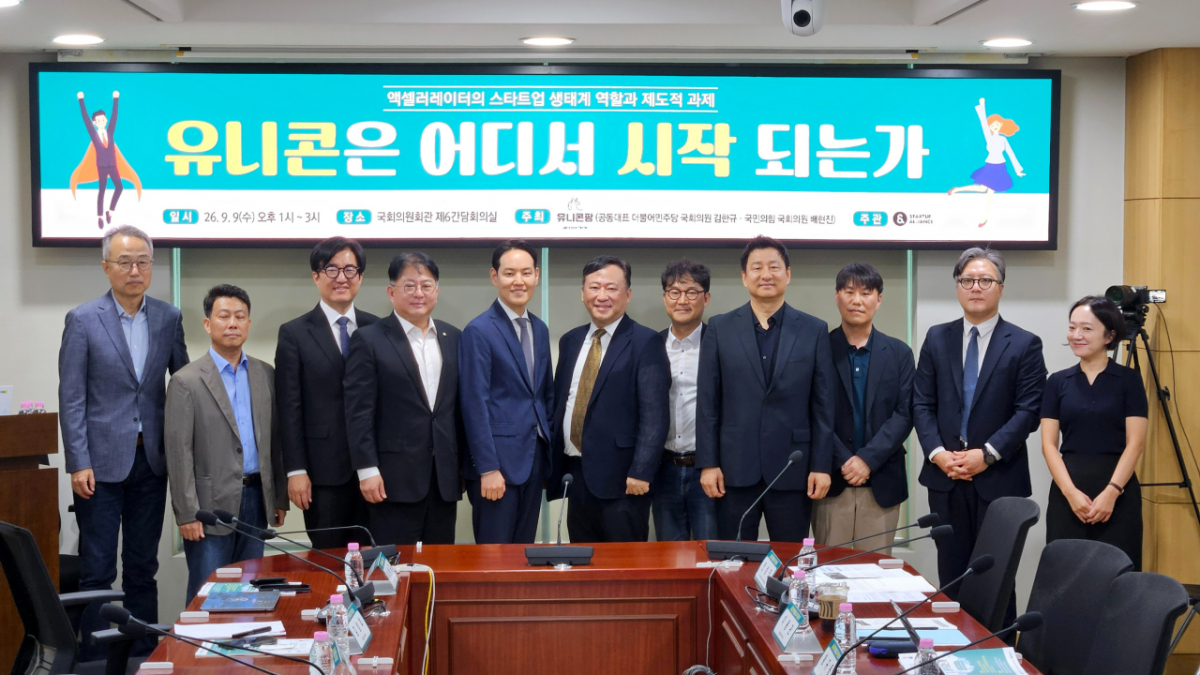
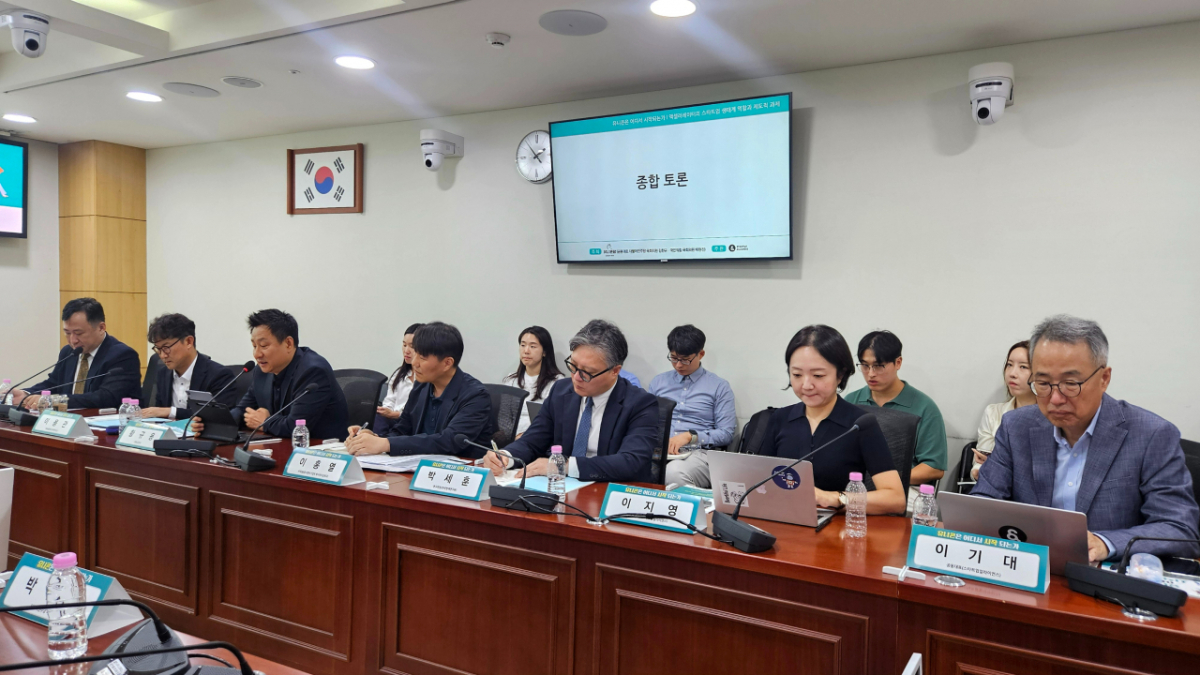
Park Se-hoon, a research fellow at the Korea Law Research Institute, made these remarks at the seminar titled "The Role and Institutional Challenges of ACs in the Startup Ecosystem," held at the National Assembly on the 9th. He stated, "While the threshold for registering ACs has been lowered, no proper system has been established to manage what happens afterward."
Hosted by National Assembly Unicorn Farm and organized by Startup Alliance, this seminar was convened to review the achievements of the past decade since the legal status of entrepreneurial planners was created and to discuss how to remove regulations hindering AC growth.
ACs gained the legal status of entrepreneurial planners through amendments to the Small and Medium Enterprise (SME) Startup Support Act in 2016. Ten years later, the number of registered ACs has grown to over 500, establishing them as the first investors to meet early-stage startups.
The low entry barrier for the AC industry, which has allowed various industry experts to enter the investment market, is evaluated as a success. However, it was found that about 60% of registered ACs have cumulative investment amounts under 2 billion won, and about 20% have no investment records at all.
Research Fellow Park Se-hoon presented five key tasks for improving the AC system: expanding mandatory investment targets, revising partnership regulations, clarifying behavioral restrictions, considering a differentiated registration system, and securing a revenue base. He explained that laws, enforcement decrees, and administrative rules must be addressed together.
He identified the regulation requiring mandatory investment in early-stage companies as the biggest obstacle. ACs are required to invest a certain percentage of their funds in companies with less than three years of operation, but critics argue that a three-year limit is unreasonable for industries like biotech and climate tech, which require long periods for technology development and licensing.
Researcher Park also suggested the need to consider introducing a differentiated registration system based on investment performance and the scale of professional staff. Additionally, he proposed a plan to quantitatively reflect AC incubation results in the capital contribution review process for funds of funds (Korea Venture Fund).
"Supporting a broad base with limited capital…stalls at Series A"
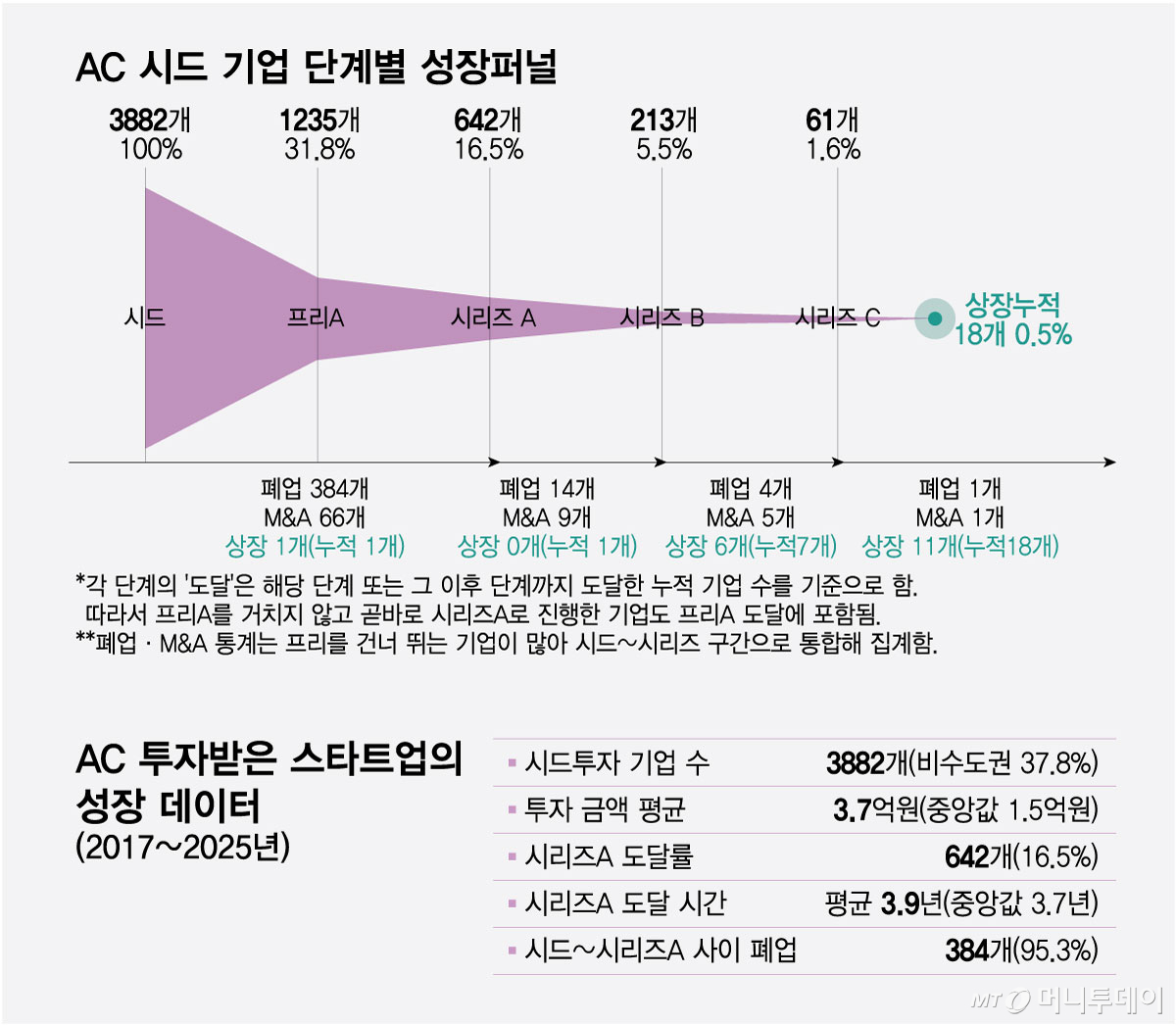
According to Lee Ji-young, senior specialist at Startup Alliance, 3,882 startups received their initial seed investment from ACs between 2017 and 2025, more than three times the number funded by VC (venture capital). The average seed investment amount from ACs was found to be 370 million won.
Specialist Lee Ji-young pointed out that "95.3% of startups that closed down among those receiving AC seed investments are concentrated in the 'death valley' period between seed and Series A." She added, "The regulation requiring investment in companies with less than three years of operation has created a structure where ACs find it difficult to provide follow-up support precisely at the stage where such support is most needed."
Lee Yong-gwan, CEO of Bluepoint Partners, stated, "The period when entrepreneurs need help the most is between years 0 and 2, but from an investment industry perspective, the period with the lowest returns is between years 0 and 1. ACs emerged to bridge this mismatch."
He further remarked, "After mandatorily investing 40% to 50% in companies under three years old, there is almost no remaining capital for follow-up investments," adding that "the behavioral restrictions are too harsh compared to the mission ACs are supposed to fulfill."
He continued, "If existing investors do not enter for follow-up funding, new investors will assume there is a problem regardless of the reason. Since follow-up investment has a significant certification effect, ACs find themselves in a structure where they cannot even use this strategy."
Startups share the same perception of the issue. Hwang Gyu-yong (CEO) of the resource-cycling startup GreenD said, "For climate tech companies, the death valley is deep and long, spanning from technology development and licensing to factory construction until actual products are sold." He noted, "Even after three years of operation, a company may still remain in its early stages."
The Ministry of SMEs and Startups also agreed on the need for qualitative growth of ACs. Lee Hong-yeol, an official at the Investment Management Supervision Division of the Ministry of SMEs and Startups, said, "The number of registered entrepreneurial planners has nearly doubled from the 320th companies predicted ten years ago." He added, "However, about 20% are not making any investments at all, increasing the need for qualitative management."
The AC industry holds high expectations for the processing of the Venture Investment Act amendment bill proposed by Democratic Party of Korea lawmaker Jeong Jin-wook in February. The amendment includes provisions to expand the mandatory investment targets for ACs to include startups with less than five years of operation that have not yet received investment, as well as follow-up investments in existing invested companies.
Im Jeong-wook, co-founder of Startup Alliance, said, "When meeting people from overseas and telling them that there are over 500 ACs in Korea, they are very surprised." He added, "If we have focused on quantitative growth, now is the time to improve behavioral restrictions and constraints so that ACs can leap forward and contribute to the startup ecosystem."
[MoneyToday startup media platform 'Unicorn Factory']

 in FUTURE


