

[For more diverse corporate information on the startup featured in this article, please visit the Unicorn Factory big data platform 'Data Lab'.]
Approximately 300,000 tons of oyster shells are generated domestically each year. According to the Ministry of Oceans and Fisheries, excluding the portion recycled as feed and fertilizer, about 230,000 tons remain unprocessed annually. Existing resource recovery methods largely rely on calcination processes that involve roasting shells at high temperatures. These processes consume significant energy and result in additional carbon emissions.
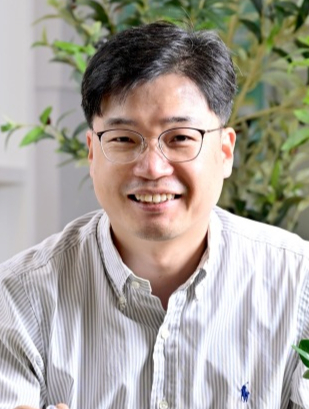
Instead of undergoing a calcination process, Carbon N Nature extracts and converts the carbon dioxide contained in oyster shells into Misaeng water through an ambient temperature and pressure fermentation process, producing plant nutrients, odor reduction agents, and aquaculture water quality improvers. Shin Hyun-yong, CEO of Carbon N Nature, explained in an interview with Money Today's startup media platform 'Unicorn Factory,' "Our technology is not simply about extracting carbon from oyster shells; it is a technology that combines the carbonate-based resources in oyster shells with Misaeng water-based carbon conversion technology to transform them into industrial raw materials."
Carbon N Nature extracts carbon dioxide from oyster shells under ambient temperature and pressure conditions while simultaneously converting inorganic carbon into organic carbon through Misaeng water fermentation. The carbon reduction effect was initially measured by the decrease in carbon dioxide contained in gas bags. Currently, it is measured by analyzing the concentration of substances converted by Misaeng water using instruments.
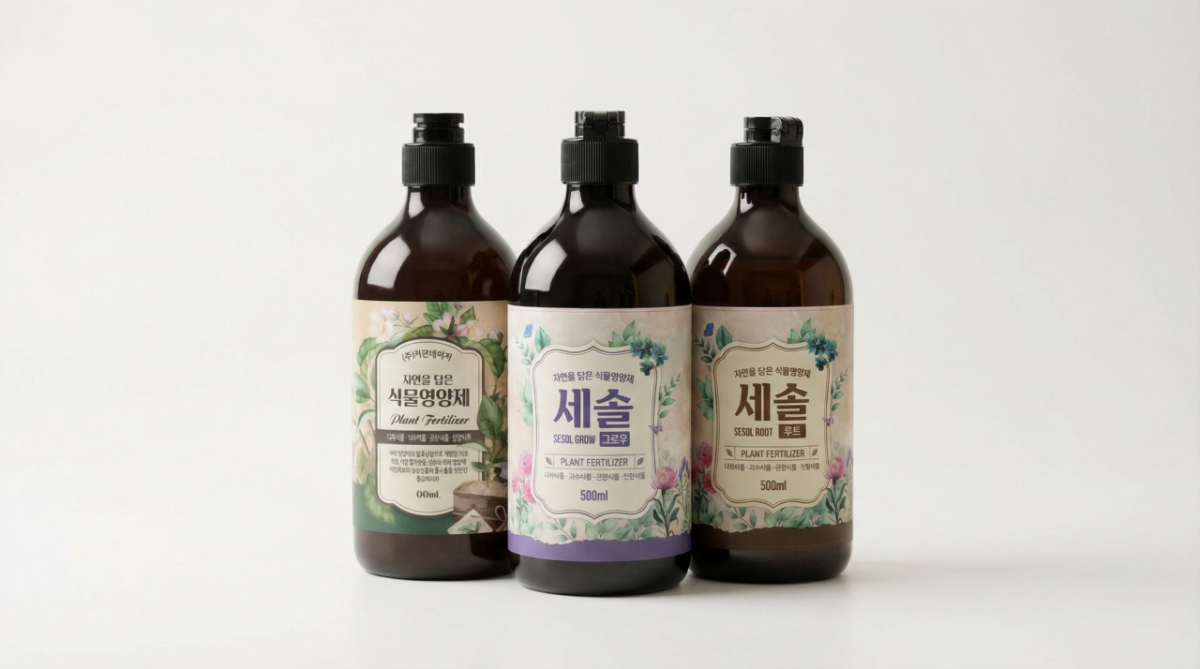
The first product is a plant nutrient called 'Sesol.' It is produced through Misaeng water fermentation of the carbon dioxide and minerals found in oyster shells. Shin (CEO) stated, "When Sesol is applied to medicinal crops, both growth volume and pharmacologically active substances increase," adding, "When applied to ginseng sprouts, the saponin content increased sixfold." Carbon N Nature believes that Sesol has high applicability in crops used as raw materials for traditional herbal cosmetics and health foods.
The odor reduction agent maintains high Misaeng water activity even in winter, allowing it to decompose organic matter over extended periods. Carbon N Nature conducted field trials at oyster farming sites in Tongyeong from February to March 2024 and confirmed the reduction effect. In tests by the Korea Construction Living Environment Testing Research Institute (KCL), it recorded reduction rates of 99.5% for ammonia and 97.5% for trimethylamine, significantly exceeding the industrial deodorizer performance standard of 60%.
The water quality improver for aquaculture is a product targeting recirculating filtration systems and land-based tank aquaculture facilities. After field trials at shrimp, eel, seaweed, and snow crab farming sites from February to August this year, sales began. It keeps ammonia and nitrite concentrations low and stabilizes pH. In KCL tests, the Vibrio bacteria mortality rate was found to be over 99.9%. Shin (CEO) said, "As water quality improves, freshwater eel is being shipped with a chewy texture free of fishy odor."
Carbon N Nature is currently focusing on expanding the market for its three products. For Sesol, it is broadening its supply channels from houseplant enthusiasts to farms, smart farms, and agricultural corporations. The odor reduction agent is expanding its application scope to organic waste sectors such as food waste, livestock manure, and sewage sludge. The water quality improver is planned to be developed into a customized water management solution following field trials.
In the medium to long term, the company aims to broaden the scope of technology application to wastewater treatment and algal bloom removal. To this end, it is scaling up its laboratory-scale Misaeng water-based carbon resource recovery technology to pilot scale. It is optimizing fermentation time, temperature, pH, agitation, and raw material input conditions while verifying reproducibility and quality through repeated production.
Shin (CEO) emphasized, "Carbon N Nature will grow into an environmental technology company that converts carbon into a resource to solve environmental problems and create new value," adding, "We will not stop at waste treatment but will build a high-value-added circular resource structure and expand into the agriculture, fisheries, livestock, and environmental sectors."
Meanwhile, Carbon N Nature received seed investment from The Invention Lab last year, recognizing its potential. This year, it is participating in the fourth cohort of 'Ocean Step,' an ocean and fisheries accelerator program operated by Tap Angel Partners and hosted by the Ministry of Oceans and Fisheries and the Marine and Fisheries Science and Technology Promotion Foundation.
[Money Today startup media platform Unicorn Factory]

 in FUTURE

