

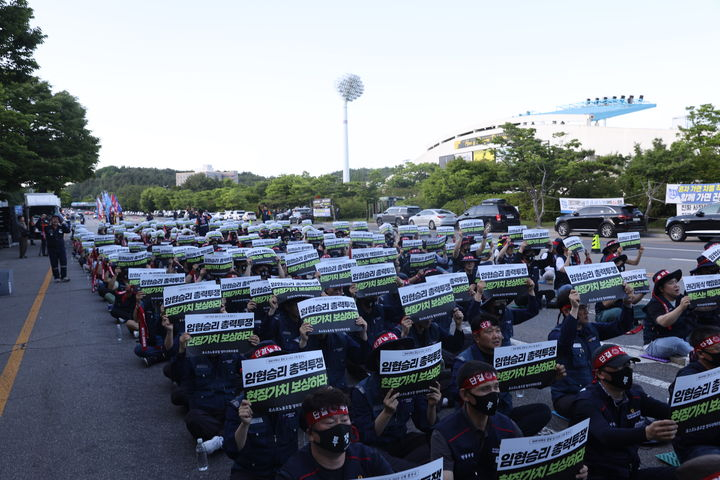
Facing difficulties in rebounding performance due to poor steel market conditions and high tariffs imposed by the United States, POSCO is now confronting a warning of a partial strike from its labor union, further increasing management burdens. If the POSCO union proceeds with actual dispute actions, it will mark the company's first strike since its founding.
According to the steel industry on the 30th, the POSCO union is preparing for phased collective actions, including a partial strike scheduled for next month on the 9th. Previously, the Central Labor Relations Commission decided to halt mediation during its third adjustment meeting on the 18th regarding POSCO's labor-management wage and collective bargaining agreement (CBA) negotiations. The POSCO union passed a resolution to hold a strike with a 92.2% approval rate in a vote conducted last month on whether to engage in dispute actions.
Although labor and management continue behind-the-scenes negotiations, it is reported that they have yet to narrow their differences. The union is demanding a 7.1% base wage increase, a 600% bonus payment, 50 shares of Lisa stock, and a 200% holiday bonus. In response, the company has proposed a 1.5% base wage increase, a 2.5 million won bonus, an annual holiday bonus of 2 million won, and an additional 300,000 won in welfare points.
POSCO, now facing its first strike crisis in 58 years since its founding, is under growing performance pressure. POSCO's cumulative operating profit on a separate basis for the first half of this year was approximately 490 billion won, down 43.3% compared to the same period last year. Market observers also predict that annual operating profit may fall below 1 trillion won.
The domestic steel industry is struggling due to slowing global steel market demand and oversupply originating from China. Additionally, as countries strengthen protectionist policies, trade barriers have risen. Since last year, the United States has been imposing high tariffs of 50% on Korean steel products. The European Union (EU) also significantly reduced its global tariff-free quota for imported steel products starting last month and raised tariffs on excess quantities from the previous 25% to 50%.
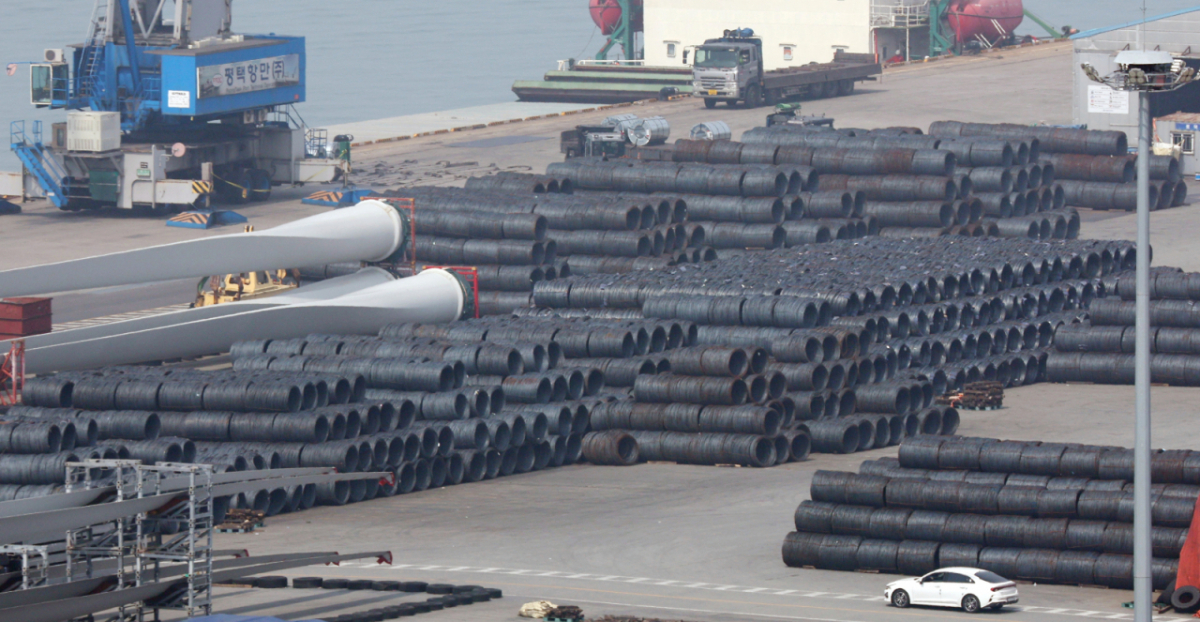
Although new demand is growing for products linked to artificial intelligence (AI) data centers and steel materials for energy use, there remains a possibility that export volumes could decline again if major overseas countries prioritize domestic companies. It is reported that the United States is closely monitoring the significant increase in exports of domestically produced rebar and H-beams during the first half of this year. Factors worsening profitability, such as rising raw material costs and logistics expenses, continue to persist.
The industrial sector expresses concern over the potential impact on manufacturing as a whole if POSCO's strike becomes a reality. POSCO supplies steel materials to the automotive, shipbuilding, construction, and home appliance industries.
POSCO maintains that it is striving for negotiations to conclude rationally rather than having the union proceed with dispute actions. This is because securing the right to take industrial action and preparing for a strike do not immediately lead to an actual strike. The POSCO union secured the right to take industrial action during the 2024 CBA negotiations but previously concluded negotiations without a strike through additional discussions.
A POSCO official stated, "Even if dispute actions occur, we are preparing measures to prevent disruptions in operations or shipments," and added, "We will do our utmost to minimize impacts on the industrial sector."
Meanwhile, Hyundai Steel concluded this year's CBA negotiations without a strike. Labor and management prepared a tentative agreement last month that included an 80,000 won base wage increase, a 200% performance bonus, and a cash payment of 5 million won, which was finalized after member approval votes held earlier this month.

 in INDUSTRY

