

The battery war between South Korea and China is intensifying. K-batteries have challenged the mid-to-low-end LFP (lithium iron phosphate) value chain, which has been effectively dominated by China.
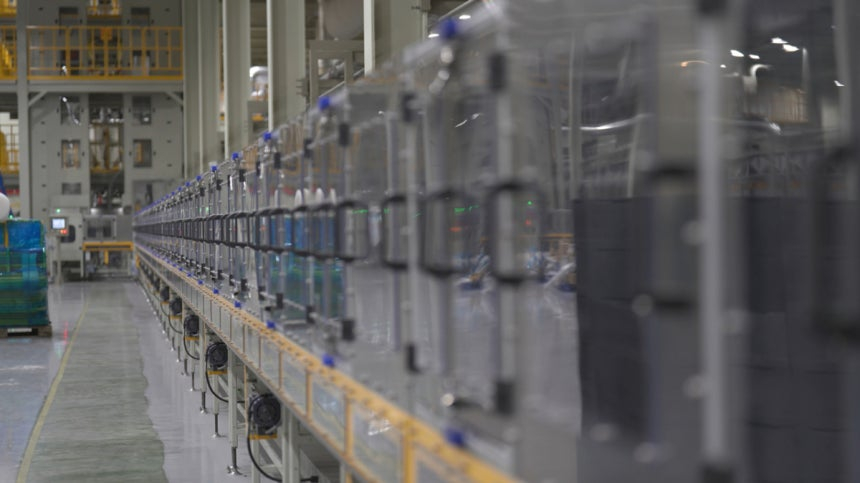
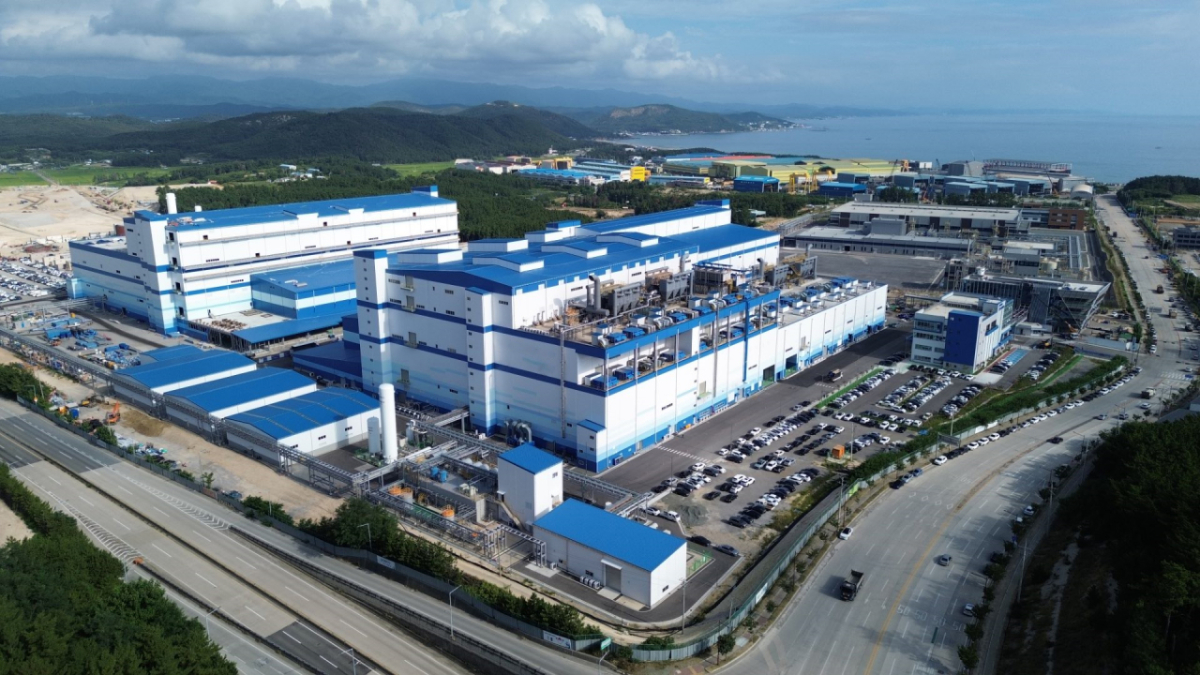
According to industry sources on the 23rd, L&F is proceeding with LFP cathode material production at its L&F Plus plant located in Dalseong-gun, Daegu. L&F Plus is a subsidiary of L&F dedicated solely to the production and sales of LFP cathode materials. Equipped with an annual production capacity of 30,000 tons for LFP cathode materials, L&F Plus plans to expand its production line scale to 60,000 tons annually by next year.
Following the signing of a medium-to-long-term supply contract for LFP cathode materials with Samsung SDI in March, L&F recently signed a similar contract with SK On worth $118.2 million (approximately 161.7 billion won). At the end of July, it shipped pilot production units from South Korea's first LFP cathode material production line.
POSCO Future M recently converted part of its high-nickel cathode material production line at its Pohang plant into an LFP cathode material production line. It is currently undergoing customer certification for prototype products and plans to begin mass production and supply from the end of this year. Leveraging POSCO Group's collaborative efforts, it will apply new processes utilizing iron oxide and other steelmaking process byproducts from Busan, along with lithium secured from salt lakes in Argentina, to produce and supply LFP cathode materials with enhanced cost competitiveness.
Last month, the company reached an agreement for large-scale long-term supply of LFP cathode materials with a leading domestic battery manufacturer. On the 22nd, it secured an order for LFP cathode materials worth 1 trillion won from SK On. The contract period spans from 2027 to 2029. Under the agreement between the two companies, the supply contract can be extended by an additional two years. SK On plans to use these cathode materials in its ESS (energy storage system) LFP battery production at its Georgia plant in the United States.
Domestic companies are strengthening their capabilities from LFP battery materials to cell production. Compared to ternary batteries such as NCM (nickel-cobalt-manganese) and NCA (nickel-cobalt-aluminum), LFP batteries offer lower output but excel in price competitiveness and long lifespan. Due to their high safety and low cost, they are gaining attention not only for low-priced electric vehicles but also for ESS applications.
In particular, the LFP battery market has been dominated by Chinese companies, making this development highly significant. For K-batteries that have struggled in the low-priced EV and ESS market segments while focusing primarily on ternary (NCM/NCA) batteries, this represents a strategic foothold for counterattack. It is essential for K-batteries to maintain their dominance in the ternary segment while reclaiming market share from China in the low-cost LFP market. They must leverage factors such as the importance of non-China (Non-PFE) value chains to properly secure benefits like the AMPC (Advanced Manufacturing Production Credit) in the United States.
Kwon Hyuk-won, Executive Vice President and Head of Production Technology at L&F Plus, told MoneyToday in a recent interview: "What the market wants is for us to remove the 'China' label from these products." He added, "I viewed this situation as an entry opportunity." He further emphasized that "LFP demand will be abundant, and there will come a time when absolute supply shortages occur."
Attention is shifting toward next-generation mid-to-low-cost batteries. Competition with China in this sector is inevitable. The Ministry of Trade, Industry and Energy recently announced plans to invest in sodium-ion batteries and other technologies through its "Battery Industry Technology Roadmap." Sodium-ion batteries are cheaper than lithium-based ones and carry lower supply chain risks. The goal is to complete development of 160Wh/kg-level batteries by 2027, followed by 220Wh/kg-level batteries by 2030, leading to full-scale commercialization.
Lee Min-woo, Director of the Industrial Growth Division, stated: "To respond to global market restructuring centered on pricing and increasing supply chain uncertainties, public and private sectors must work as one team, implementing strategies focused on selection and concentration."

 in INDUSTRY

