

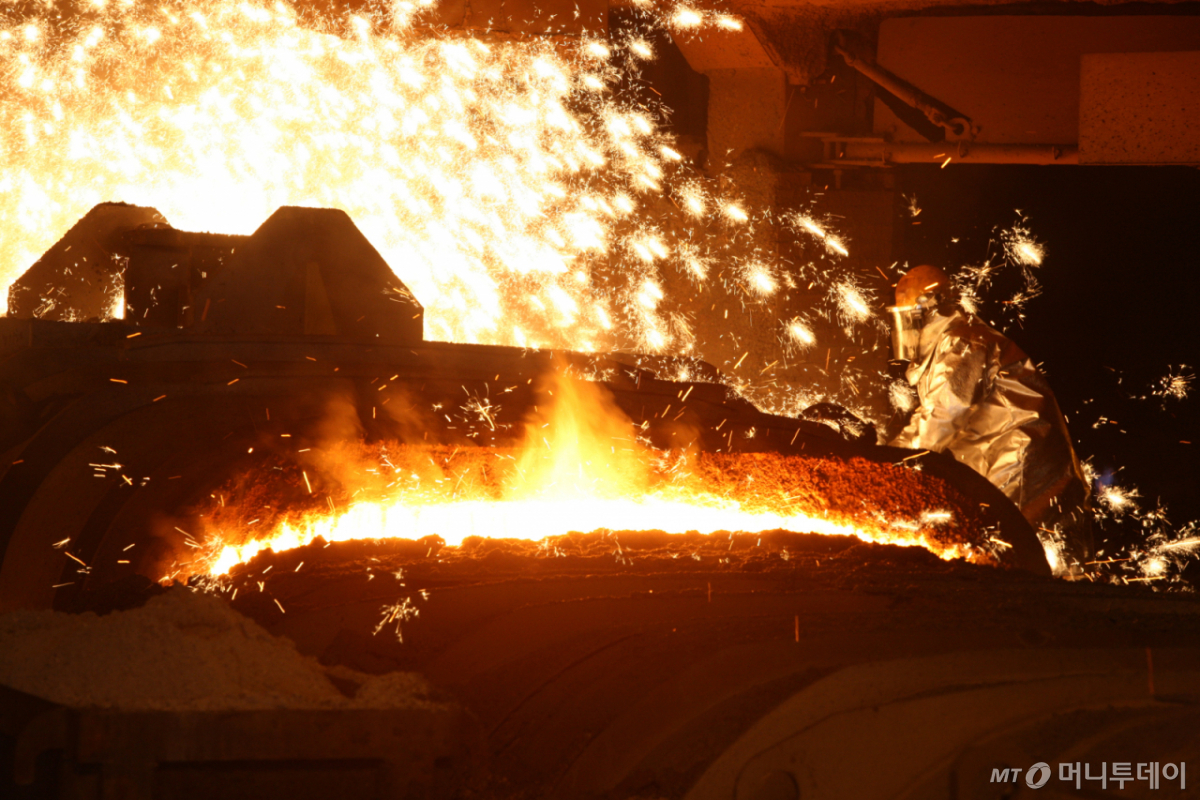
“From an industrial AI (artificial intelligence) perspective, we cover a wide range of fields including optimization, simulation, and robotics. Beyond improving the efficiency of individual processes, implementing energy optimization across the entire enterprise is also a critical challenge.”
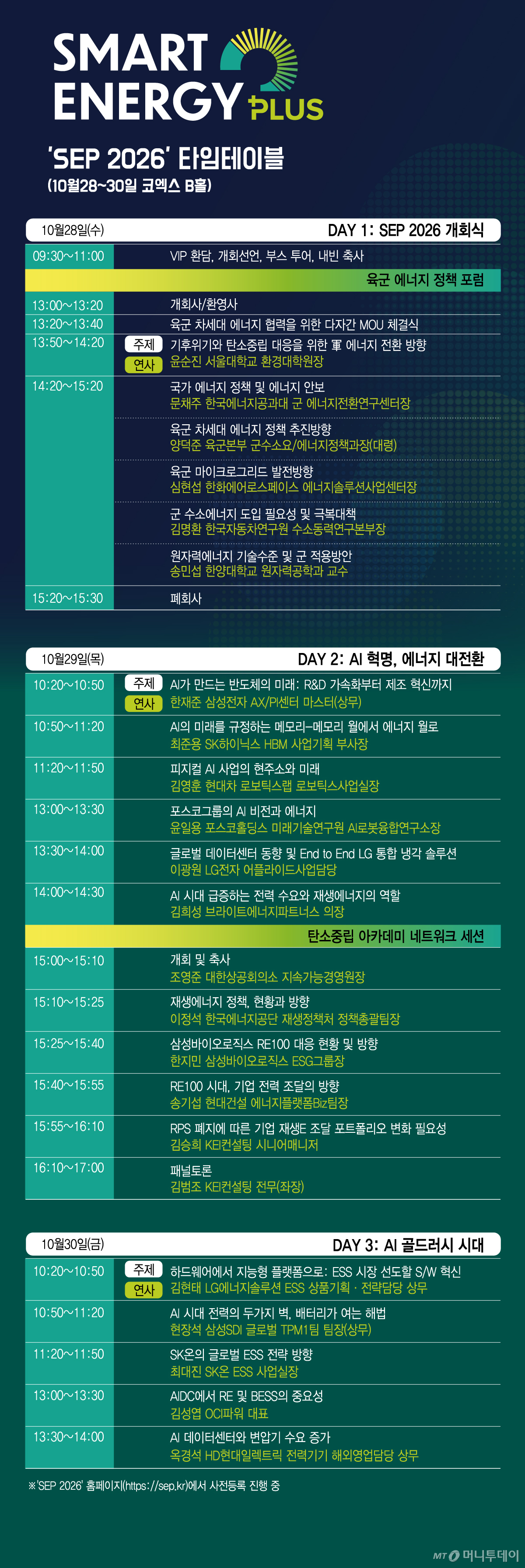
Yoon Il-yong, head of the AI Robotics Convergence Research Institute at POSCO Holdings’ Future Technology Research Institute, recently spoke with Money Today about the direction of industrial AI and robotics technology being pursued by the POSCO Group. He explained that the scope of application is expanding from implementing AI and robotics on steel plant floors to process optimization and materials research. Yoon is scheduled to introduce a strategy encompassing group-level AI technology development and energy business under the theme “POSCO Group’s AI Vision and Energy” at the conference on the second day, the 29th, of ‘Smart Energy Plus (SMART ENERGY PLUS·SEP) 2026.’
According to Yoon, the application of AI within the POSCO Group is actively taking place on steel plant floors. A representative example is the robotization of large-scale heavy equipment. By combining robotics and physical AI technology with control technology, the group pursues autonomous operation that imbues equipment with intelligence. It is also pushing forward the application of humanoid robots to the field, particularly in areas such as electrical rooms where equipment must be periodically shut down, consumables like circuit breakers replaced, and pre-operation checks conducted for abnormalities.
‘AI for Science,’ which combines AI with simulation, is another pillar. The group is conducting research that analyzes airflow and temperature distribution inside blast furnaces to create digital twins, and uses nano- and atomic-level simulations to understand material properties and design new materials. Yoon stated, “Going further, it will be possible to design what products can be made through which compositions.”
Such technology development is directly linked to energy issues. As the steel industry consumes massive amounts of electricity in its production process, improving the efficiency of process operation and equipment management is directly tied to optimizing energy usage. Yoon noted, “While the energy used for AI is increasing, the energy savings achieved in manufacturing processes are greater.”
Energy is also a key pillar of the business strategy emphasized by Jang In-hwa, chairman of the POSCO Group. Through its ‘Triple-Core’ strategy, the POSCO Group has identified industrial resources such as steel, strategic resources including lithium, cathode materials, anode materials, and rare earths, and energy resources such as LNG and renewable energy as its main business pillars. This is a strategy to enhance the energy efficiency of steel production while simultaneously strengthening the competitiveness of the energy business itself. Given that Jang (Chairman) has also called for AI transformation across all business areas, the task of applying AI technology to industrial sites to improve operational efficiency is also linked to the group’s business strategy.
Meanwhile, SEP 2026 is an event hosted by the National Assembly Hydrogen Economy Forum and co-organized by Money Today and COEX, taking place from the 28th to the 30th at Hall B of COEX in Samsung-dong, Seoul. This year’s themes are “Energy Daejeon Transformation in the AI Era” and “Energy Security Amid Rapidly Changing International Conditions.”

 in INDUSTRY

