

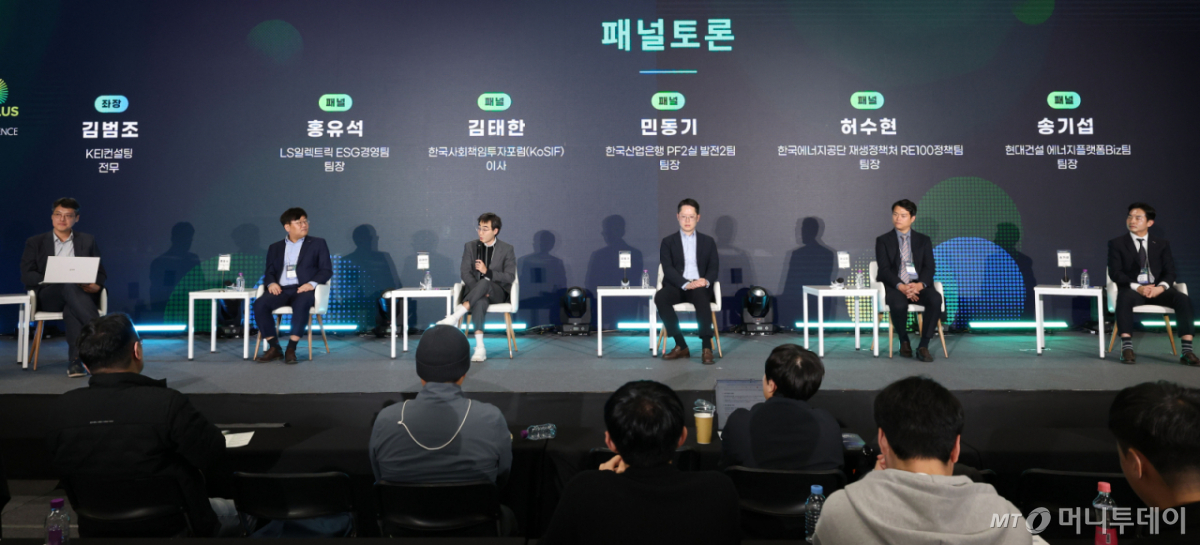
As renewable energy emerges as a key factor determining corporate competitiveness, experts have called for predictable policies to support companies’ power procurement. They argued that uncertainties regarding supply volumes, prices, and contract procedures must be reduced so that government-led expansion efforts translate into actual corporate purchases. Opinions were also raised on the need for an environment where diverse power sources beyond solar energy and energy storage systems (ESS) can be utilized.
At the “Carbon Neutrality Academy Networking Session” of “Smart Energy Plus (SEP) 2026,” held on the 29th at Hall B of COEX in Samsung-dong, Seoul, participants discussed response strategies under the theme “Changing Environments and Corporate Renewable Energy Procurement Strategies.”
The Carbon Neutrality Academy is a lecture and networking program that Money Today has hosted annually since 2021, targeting ESG officers at companies during the first half of each year. All 150 seats for this session were filled, with active Q&A sessions following the presentations and panel discussion.
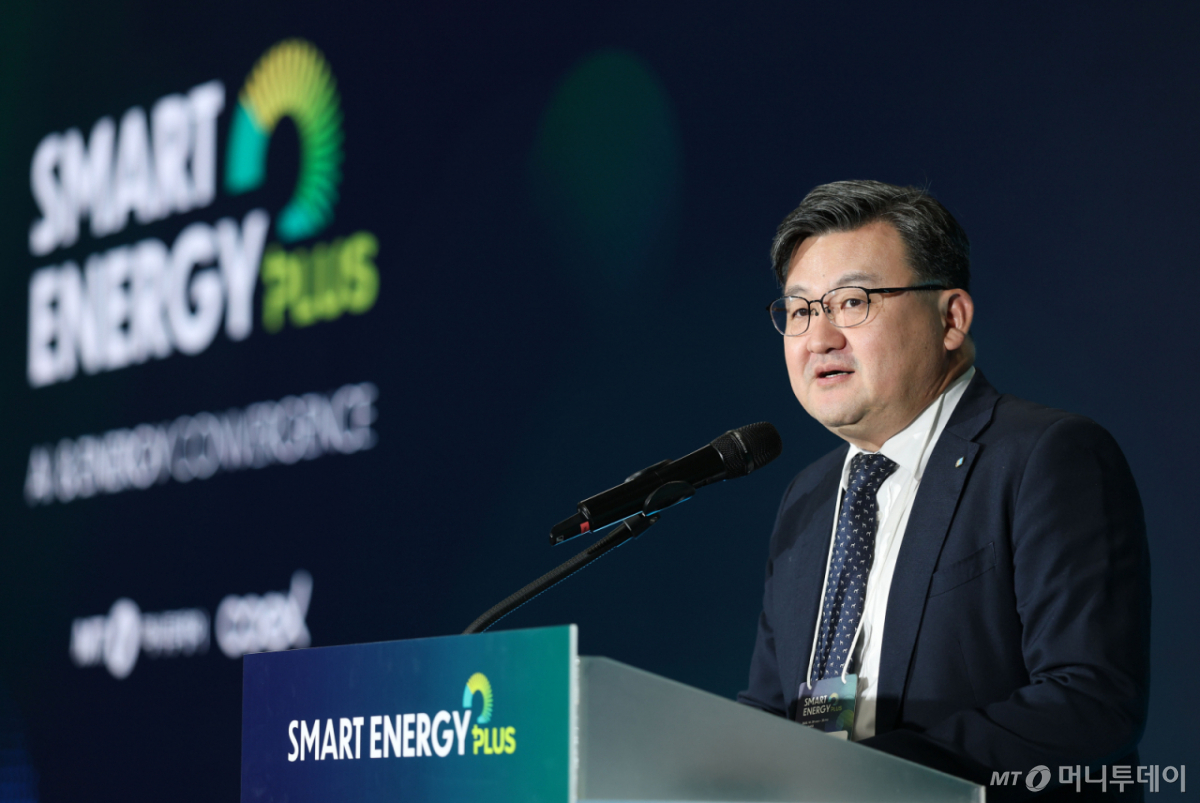
Jo Young-jun, President of the Sustainable Management Institute at the Korea Chamber of Commerce and Industry, emphasized in his address that “using renewable energy is no longer an option but a critical management strategy for companies.” He explained that as global corporations demand renewable energy use from their suppliers, this has become a major challenge not only for large enterprises but also for small and mid-sized companies. He stated, “How stably and at what reasonable price companies secure the electricity they need determines their competitiveness,” adding, “The expansion of renewable energy should be an opportunity to enhance competitiveness, not a new burden on companies.”
Presenters and panelists agreed that renewable energy procurement has become a major element of corporate competitiveness. The focus of the discussion was on “how” companies can secure renewable energy at affordable costs when they need it.
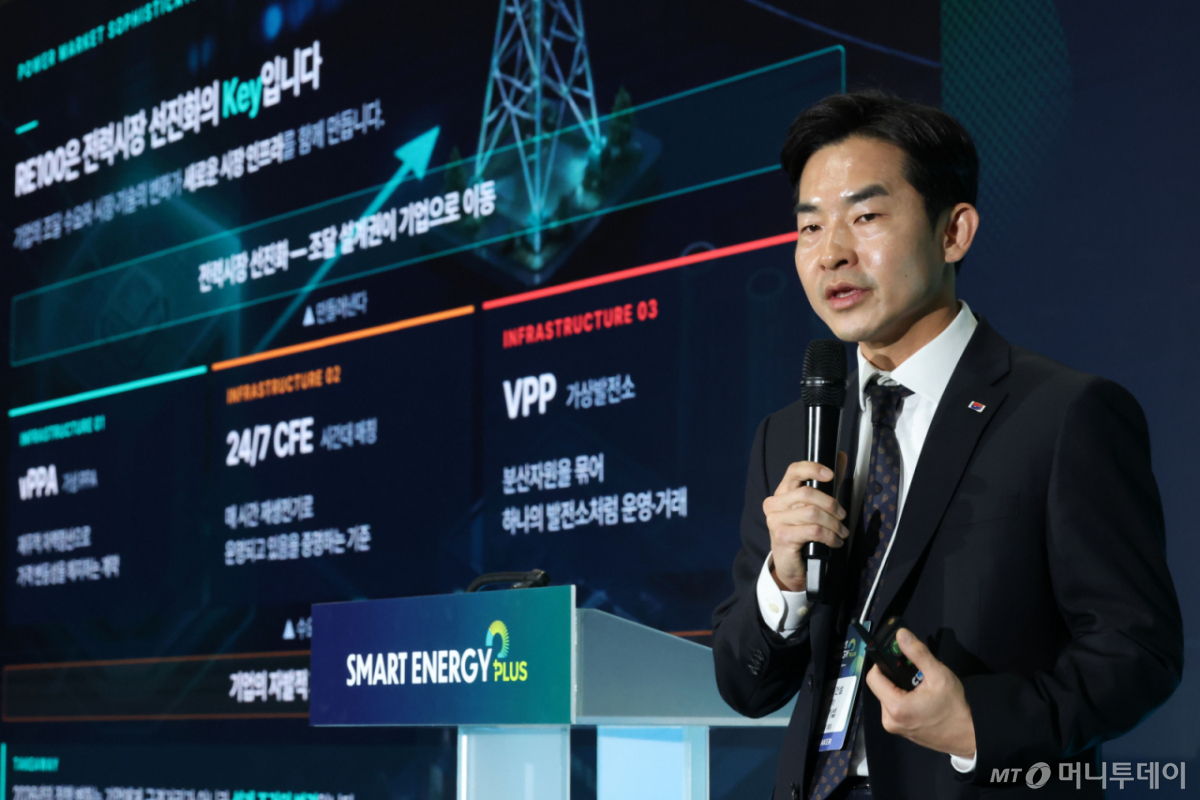
Song Gi-seop, Head of the Energy Platform Business Team in the Energy Infrastructure Business Development Division at Hyundai E&C, pointed out a gap between companies’ procurement schedules and when policy effects materialize. He said, “Companies must make decisions by next year, or at the latest the year after, to achieve their 2030 targets.” While the government’s direction for expanding supply and stabilizing prices is clear, it remains uncertain when companies can secure how much volume at what price.
Team Leader Song emphasized that “simply increasing supply volumes does not solve corporate renewable energy procurement issues.” This is because the pace of deployment, private purchase demand, and contract/administrative procedures must align. He cited a case where Hyundai E&C took about one year to convert approximately 100MW of equipment from small-scale power generators into Power Purchase Agreement (PPA) supply resources, despite deploying around 10 staff members. It takes time to familiarize power generators with the system and procedures and bring them to a state where actual transactions are possible.
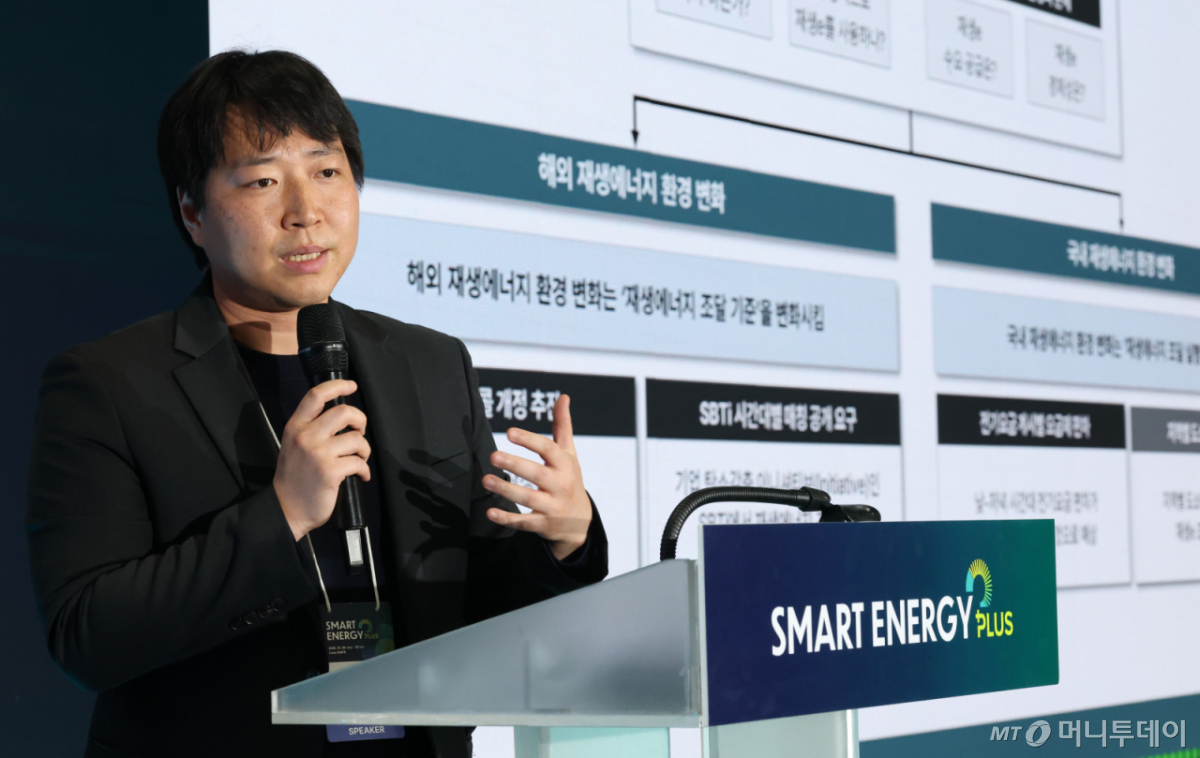
Changes in international standards and domestic electricity tariff structures were also presented as key variables. Kim Seung-hee, Senior Manager at KEI Consulting, introduced the revision directions of the Science Based Targets initiative (SBTi) and the GHG Protocol, explaining that “hourly matching,” which verifies whether renewable energy was generated during the actual hours of electricity use, is becoming increasingly important.
If hourly matching requirements are strengthened beyond the existing method of purchasing renewable energy equivalent to annual power consumption, there may be limitations in offsetting carbon emissions from nighttime power use using solar power generated during the day. This makes it difficult to respond with a procurement strategy centered solely on solar energy. Manager Kim predicted that these changes “will significantly increase companies’ need for non-solar power sources capable of supplying renewable energy during evening and night hours.”
Changes in electricity tariffs are also factors altering procurement economics. If the trend of lower daytime power prices due to expanded solar deployment and relatively higher evening prices is reflected in tariffs, the cost-saving effect of solar PPAs that generate power only during the day may decrease. Conversely, the value of wind and hydro power, which can generate electricity at night, could increase relatively.
However, there is a limitation domestically where renewable energy sources available for economically viable corporate procurement are skewed toward solar energy. Manager Kim proposed combining solar energy with ESS as an alternative to complement this. Storing power generated during the day and supplying it in the evening and at night can address hourly matching while potentially enhancing economic viability. He stated, “It is important not only how much and when to buy solar energy, but also how to shift it to evening and night hours to meet global standards and improve economics.”
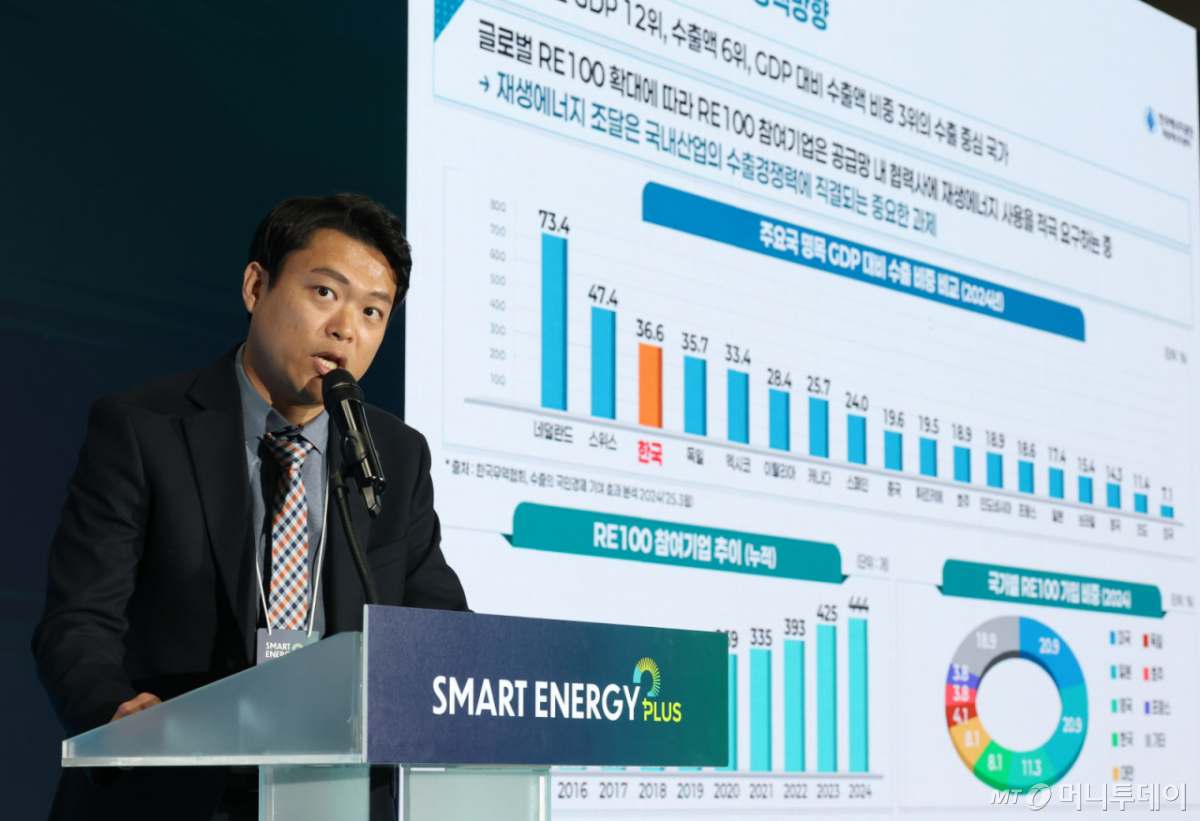
Directions for expanding supply infrastructure and improving systems to broaden corporate options were also introduced. Heo Su-hyun, Team Leader of the RE100 Policy Team in the Renewable Energy Policy Department at the Korea Energy Agency, emphasized the need for renewable energy expansion considering high energy import dependence and an export-oriented economic structure. This is to mitigate shocks from international energy price fluctuations and respond to global corporations’ demands for renewable energy use.
Team Leader Heo cited high generation costs, complex permits, site acquisition, and local community acceptance issues as obstacles to domestic deployment. She introduced the creation of an offshore wind industry ecosystem, expansion of solar installation sites, and improvement of setback distance regulations as key policy directions for addressing these issues. She stated, “Demand for direct procurement (of renewable energy) has recently increased,” adding, “We are also building a business platform that can match PPA supply and demand.”
The subsequent panel discussion emphasized the role of ESS. Kim Tae-han, Director of the Korea Forum for Socially Responsible Investment, said, “They stated that ESS is the main focus in real-time matching. The idea is that if higher prices form during hours when renewable energy supply falls short of demand, the economic value of ESS supplying power during those hours can also increase.”
The financial sector is also showing interest in the ESS market. Min Dong-gi, Team Leader in the PF Division at the Korea Development Bank, said regarding the ESS central contract market, “Because it is a stable business, there is intense competition among financial institutions to provide support at low interest rates.”
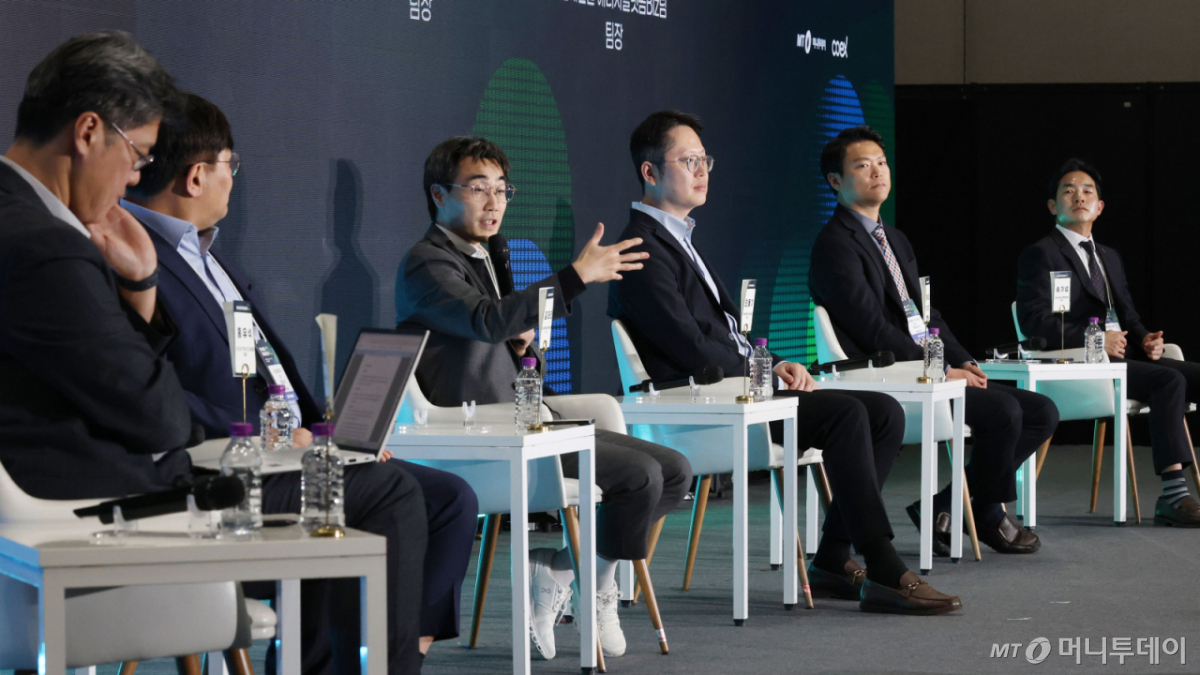
Demand-side companies conveyed the reality of finding it difficult to make procurement decisions amid regulatory changes. Hong Yu-seok, Head of the ESG Management Team at LS Electric, said, “As an RE100 company with a 2030 interim target, we are considering procurement through PPAs and other means,” adding, “There are aspects where we hesitate due to various institutional variables, but we are proceeding while gradually observing market conditions.” Team Leader Song Gi-seop reiterated in the panel discussion, “I believe the best policy is one that allows companies to make decisions like ‘I will invest’ or ‘I will buy electricity’ with predictability.”
Kim Beom-jo, Senior Executive Vice President at KEI Consulting, who moderated the session, emphasized that the government must reduce periods of uncertainty as renewable energy expansion leads to a transition in the power market system. For companies to judge whether to invest now or postpone for two to three years, the status and timing of policy implementation must be clear first. He stated, “If these aspects are established quickly, investment will take place, and that investment can lead to long-term price reductions and expanded deployment of renewable energy.”

 in INDUSTRY


