

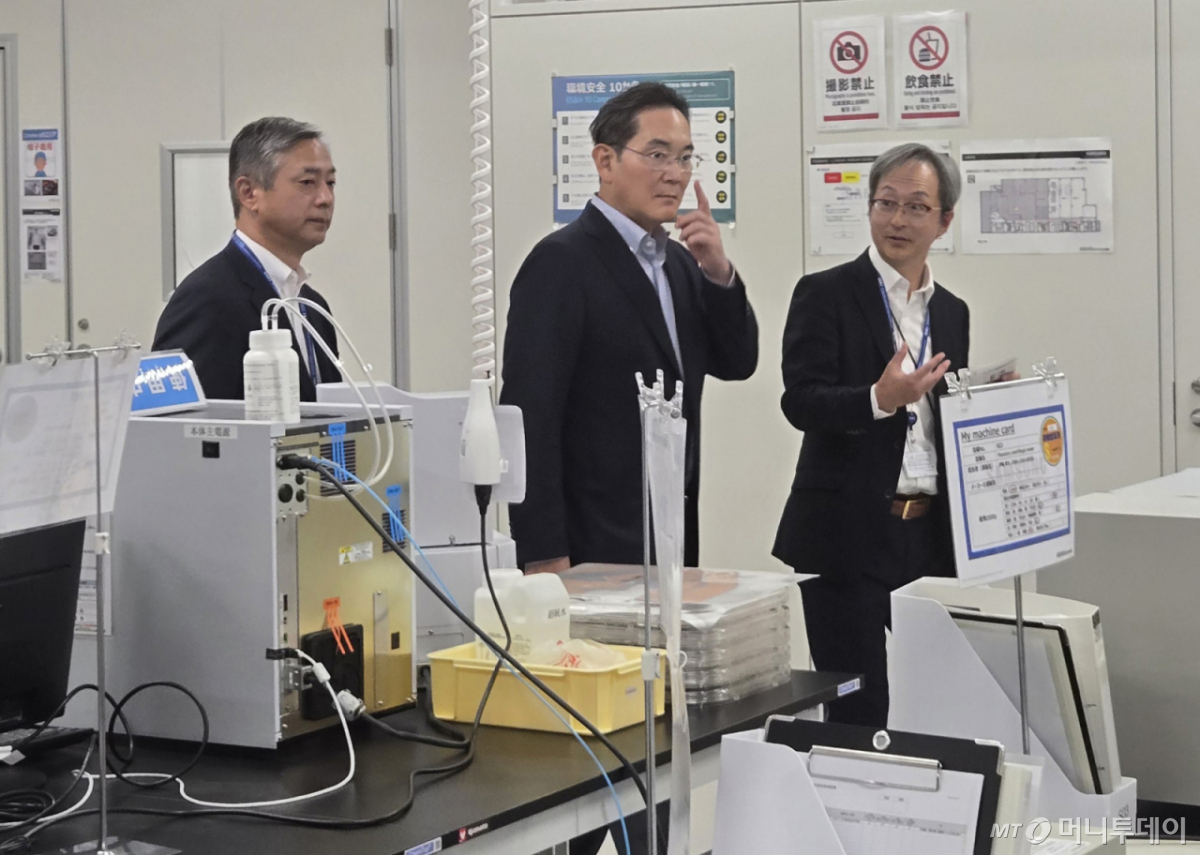
Concerns over the profitability of the artificial intelligence (AI) industry continue to fuel fears of a bubble and claims that the market has peaked, but South Korea's semiconductor industry remains unfazed. Even as the massive investment required for AI infrastructure raises concerns about potential cash depletion, the broader industrial shift centered on semiconductors is already an irreversible trend.
According to industry sources on Monday, Samsung Electronics and SK hynix are responding to a surge in semiconductor orders without being significantly affected by recent shockwaves from the U.S. stock market.
In fact, at the end of last month, the world's top two semiconductor companies, "Samsung Electronics and SK hynix," confirmed an unprecedented surge in semiconductor demand during their respective Q3 earnings conference calls. S
K hynix disclosed that memory semiconductor (hereinafter referred to as memory) supply will remain insufficient through 2030, and that sales of major products such as High Bandwidth Memory (HBM) and DRAM have already been fully booked through 2029.
Samsung Electronics also stated that customers are rushing to secure semiconductors in advance, and that demand equivalent to 60-70% of total production capacity will soon be achieved through Long-Term Agreements (LTAs) by 2030.
A Samsung Electronics official said, "We are so busy making products that we have no time to think. All we can think about is focusing on technology development and rapidly expanding production capacity, yet people around us are unnecessarily worried."
An SK hynix official also expressed confidence, saying, "(Positive) outlooks have (already) been communicated."
Given this situation, some link AI investment anxiety to political uncertainty in the United States. The argument is that resident opposition to AI data center construction and other issues can be resolved in the short term once the U.S. midterm elections are settled.
More fundamentally, the prevailing view is that this is an unavoidable "growing pain" or a necessary adjustment process as the global industrial landscape itself shifts toward AI.
The core of the current controversy is that astronomical AI investments by big tech companies have not yet translated into profitability, resulting in negative cash flows and raising doubts among market participants.
However, some point out that this anxiety is premature. Chey Tae-won, chairman of SK Group, has repeatedly said, "AI is only 4 or 5 years old." This means that through continued investment, AI must be nurtured to grow in size and learn until it becomes a young adult capable of managing the household; one cannot expect immediate profits from a child.
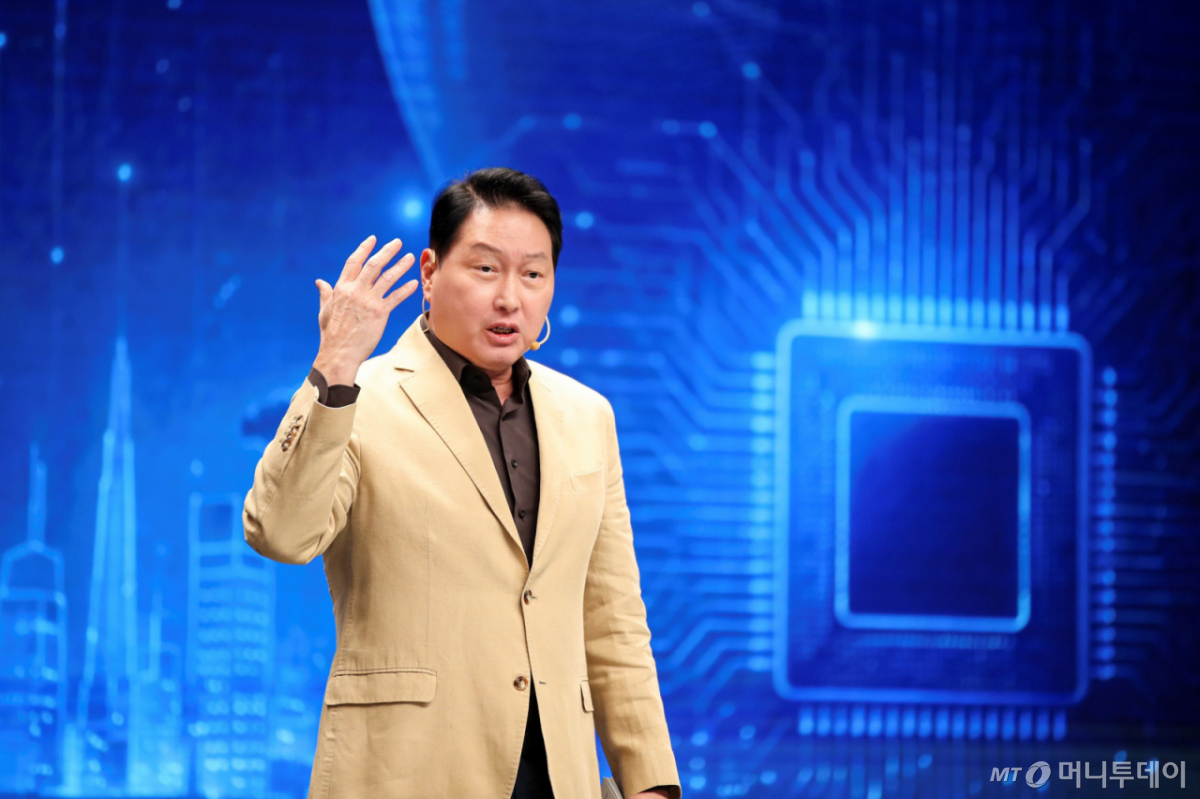
The construction of data centers, currently a representative AI infrastructure investment, is no different. At present, it is at the stage of building office buildings; creating value within that space is the next step.
Industry experts view that while the phase of changing the industrial landscape and building infrastructure may seem to involve endless spending, once the wheels of the industry begin to turn on their own, the structure instantly shifts to one where profits are generated independently.
One official stated, "Big tech's large-scale investments are ultimately a process for harvesting future fruits," adding, "It may feel risky because excessive cash is being poured in, but the problem is that if you do not invest today, you will fall behind tomorrow, so it must be done at all costs."
Experts share a similar perception. Lee Byung-hoon, head of the Department of Semiconductor Engineering at POSTECH, affirmed the growth potential of the AI and semiconductor industries. He said, "In the long run, nothing has changed in terms of direction. Stock prices may fluctuate up and down, but market conditions and technological trends have not changed at all."

 in INDUSTRY

