

"Think of it as revealing our new pantry today, just like a restaurant would open its kitchen to the public,"
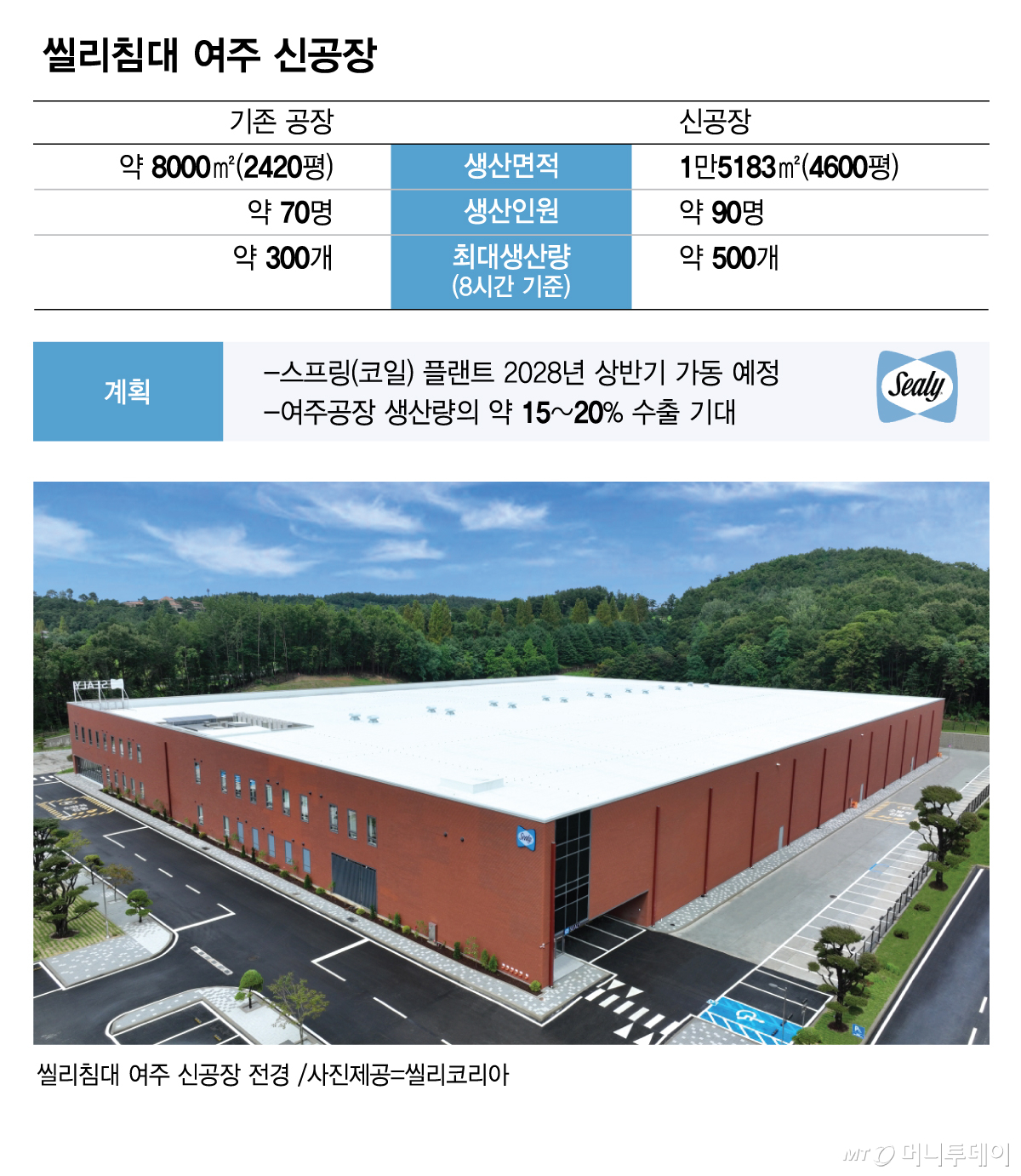
This was the opening remark by Yoon Jong-hyo, CEO of Seely Korea, when he unveiled the newly constructed Seely Beds production plant in Yeosu, Gyeonggi Province, on the 7th. The new "pantry" spans a production area of 15,183 square meters (approximately 4,600 pyeong), roughly double the size of the existing factory and the largest among all Seely Beds' production facilities in Asia.
The expanded Yeosu plant is a strategic move by Seely Beds to more aggressively target the Asian market. Daily maximum production capacity has increased from around 300 mattresses to 500.
Production staff numbers rose from 71 to 92. Seely Korea plans to produce 75,000 mattresses at the Yeosu plant this year, representing more than a threefold increase compared to the 25,964 units produced when the first factory began operations in February 2016, marking a clear upward trend. Workforce expansion was planned accordingly to match the production growth trajectory.
Operating a production facility in Korea has not been easy. Significant obstacles include high labor costs, labor-related issues, and stringent permitting regulations. Yoon (CEO) stated, "Considering production costs and various other conditions, establishing a production base in Korea itself is a major challenge." Nevertheless, Seely Korea has consistently invested in domesticating its production capabilities to deliver products and quality tailored to the Korean market.
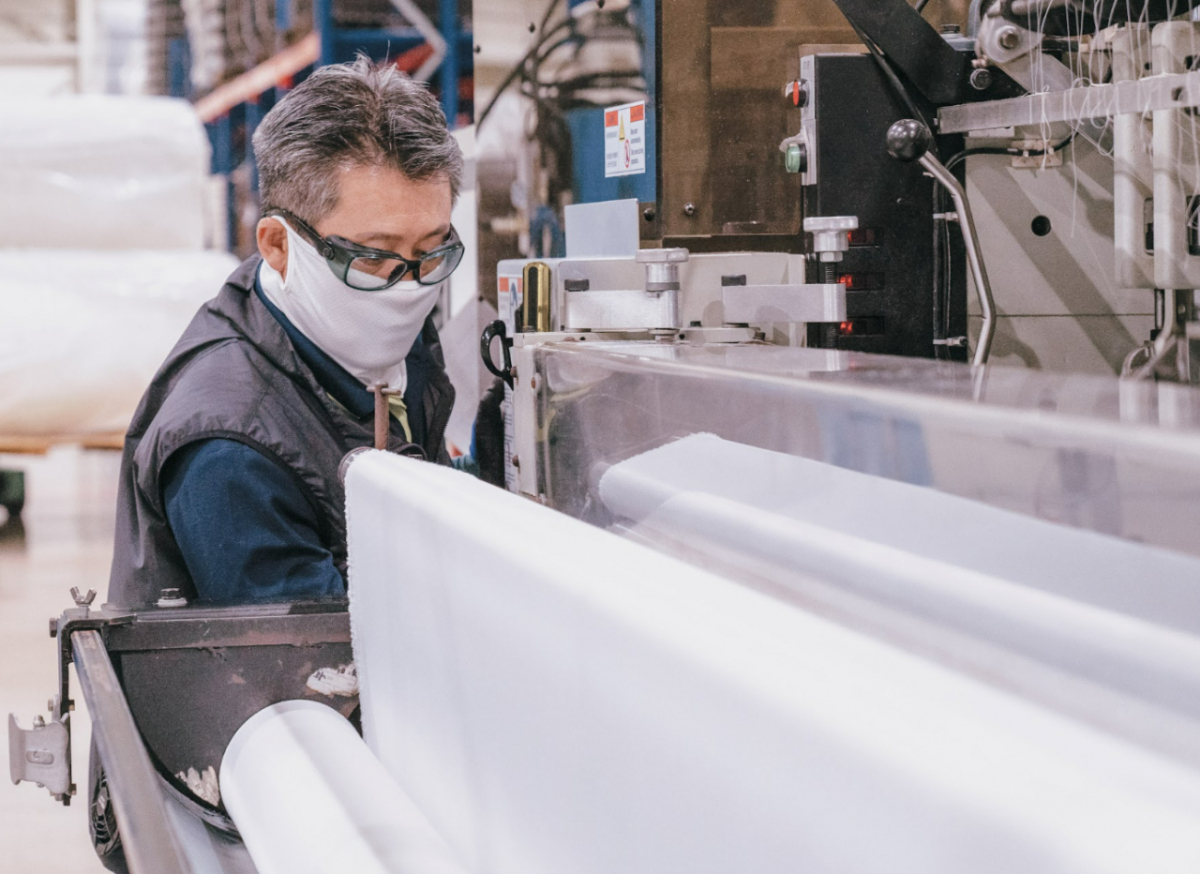
Except for final product packaging, all processes at Seely Beds are carried out manually. During a 15-minute tour of the facility on this day, skilled workers were seen busily handling everything from 'quilting' and 'sewing' to 'building,' where core materials are layered atop springs to shape the mattress.
The reason for insisting on manual labor over machinery is clear. Seely Beds produces approximately 110 different mattress models at its Yeosu plant alone. Since materials and spring firmness vary by product depending on body type and customer preferences, the company adopted a "high-variety, low-volume production" approach, manufacturing items only after receiving orders rather than mass-producing in advance.
This production method was evident in the finished goods stacked in the warehouse section of the factory. Each product's outer packaging displayed its name along with an anonymized customer order number. Completed products are delivered directly to customers, and Seely Beds also handles bed installation.
Quality checks are conducted after each process, and completed mattresses undergo verification by five specialized inspectors. Yoo Dong-wan, Yeosu factory manager, emphasized, "While most processes are performed manually, which could raise concerns about 'human error,' we strictly adhere to the principle that no defects from one stage are passed on to the next."
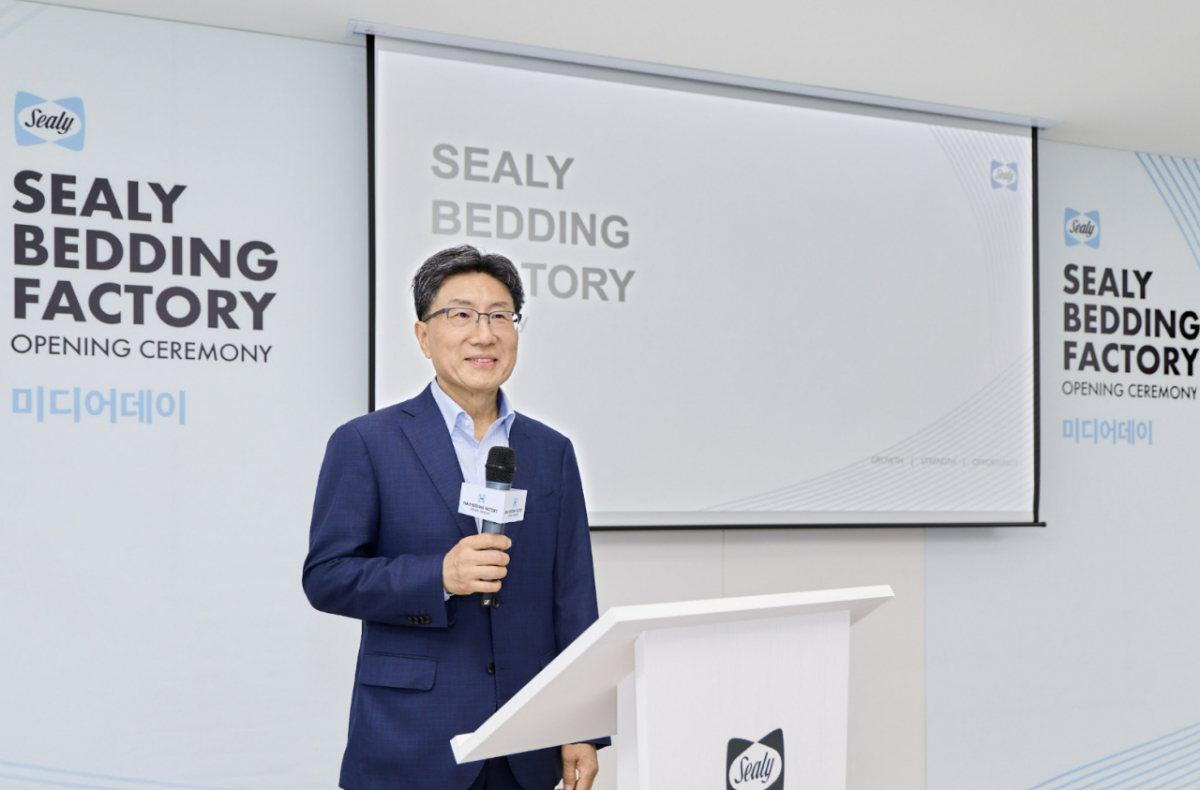
Mattresses produced in Yeosu are distributed throughout Asia. Currently exported to China and Kazakhstan, discussions are underway to expand sales channels to Singapore, Taiwan, Mongolia, and other regions. Kim Jeong-min, Executive Vice President of Seely Korea, noted, "In the past, consumers preferred products made in the U.S. or Australia, but now 'Made in Korea' is increasingly recognized as a premium label." He added, "We expect 15% to 20% of our total production volume to be exported in the future."
The final piece of domestication is the 'spring' (coil). To reduce reliance on Australian and Chinese springs, Seely Korea is constructing a separate factory behind the new facility. The target operational date is the first half of 2028. By sourcing domestic steel wire and producing springs in-house, the company aims to alleviate logistics burdens and significantly mitigate supply chain uncertainties such as exchange rate fluctuations and geopolitical risks.
Yoon (CEO) stated, "This new factory will serve as a powerful engine driving Seely Korea's second leap forward." He further remarked, "Once the spring plant is completed in 2028, we will transform into a fully integrated Asian production hub with a one-stop production system."

 in LIVING


