

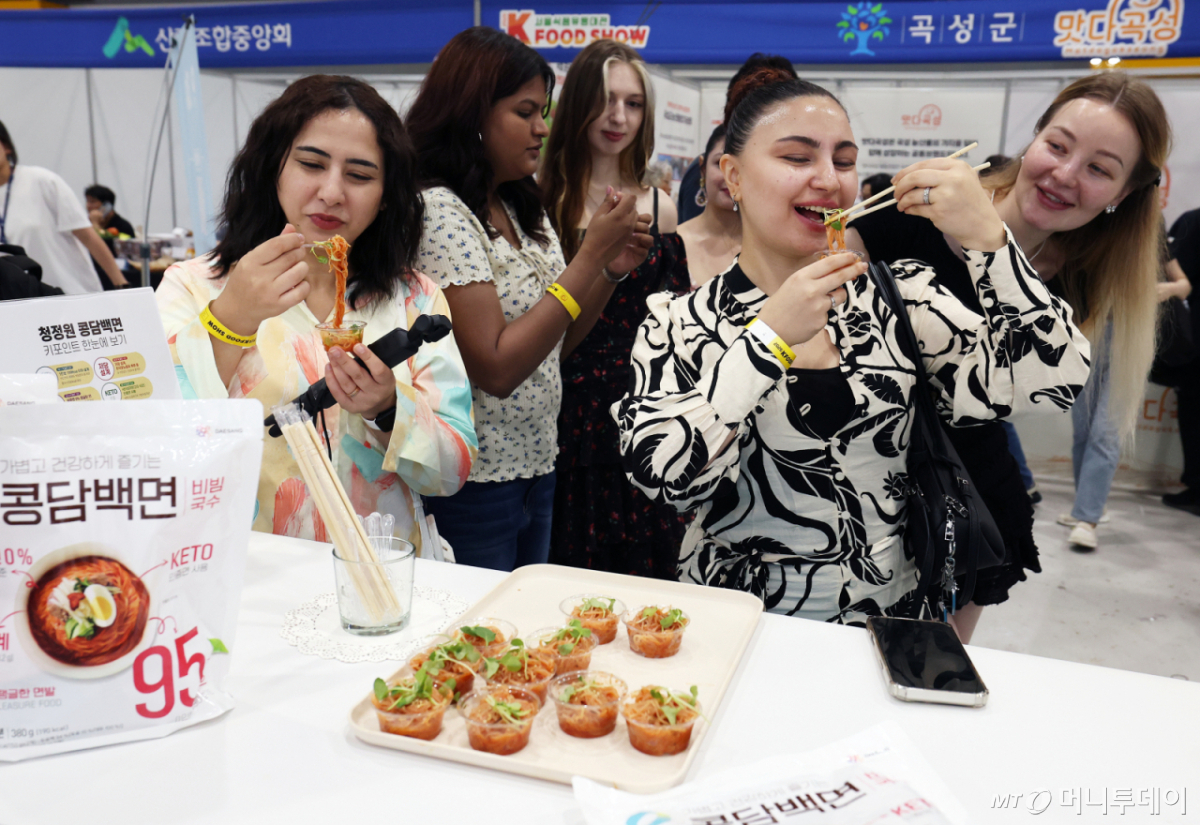
As major countries such as the United States and the European Union (EU) strengthen regulations on ultra-processed foods like instant noodles and snacks citing consumer health management, the Korean government's response has been found to remain at the level of assessing the current situation. Although K-food export value increases every year, since many key products are processed foods, there are calls to establish item-specific guidelines and a joint response system among relevant ministries to adapt to overseas regulatory barriers.
According to documents submitted by the Ministry of Food and Drug Safety and the Ministry of Agriculture, Food and Rural Affairs to Kim Won-in, a Democratic Party of Korea lawmaker on the National Assembly's Committee on Industry, Trade, Resources and Small and Medium Venture Companies, on the 30th, the Ministry of Agriculture, Food and Rural Affairs holds the view that Korean processed foods containing sugar, salt, saturated fat, and additives—such as instant noodles, snacks, bakery products, carbonated beverages, and ready-to-eat frozen foods—could become subject to ultra-processed food regulations. In contrast, the Ministry of Food and Drug Safety is in a state of holding judgment. It stated that it is "difficult to determine regulatory targets or items," noting that international organizations and foreign regulations do not have definitions or related regulations for ultra-processed foods. Neither institutional investor presented specific measures such as analysis of ingredients and nutritional standards by export product, support for overseas certification preparation, or a joint response schedule
Major overseas countries are accelerating the establishment of ultra-processed food regulations. California state in the U.S. defined foods and beverages as ultra-processed last October if they contain specific additives such as emulsifiers, thickeners, and flavorings, while also containing saturated fat, sodium, or added sugar above certain standards, or sweetening ingredients prescribed by law, such as non-nutritive sweeteners. It also enacted a law (AB 1264) to gradually restrict the provision of some ultra-processed foods in school meals. On the 28th, a bill (AB 2244) introducing a "non-ultra-processed food certification system" for retail foods passed the governor's approval process. This is a system that helps consumers choose healthy products by attaching labels certifying that a product is not ultra-processed. The EU also stated in its cardiovascular health plan announced last December that it would consider measures such as imposing taxes on ultra-processed foods.
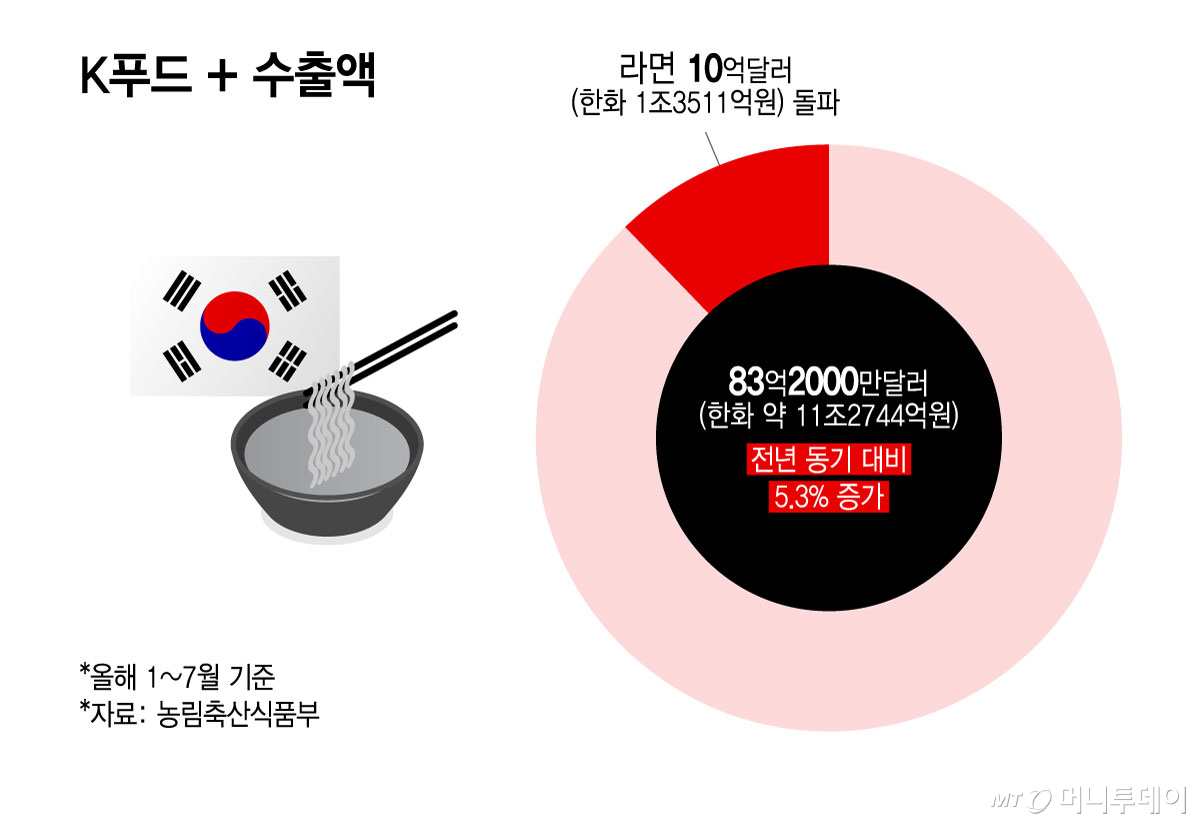
K-food export value shows a steep growth trend every year. According to the Ministry of Agriculture, Food and Rural Affairs, K-food+ exports from January to July this year reached $8.32 billion, a 5.3% increase from the same period last year, as announced on the 3rd of this month. In particular, instant noodle exports during the same period surpassed $1 billion, a record achieved more than a month earlier than last year. While demand is increasing overseas, it is inevitably a heavy burden for small and medium-sized enterprises that struggle to staff dedicated personnel for overseas regulations, as they must handle interpretation of country-specific regulations, ingredient analysis, and necessary changes in raw material blending and packaging.
Kim (Rep.) stated, "Now that K-food is leading the K-Hallyu wave, overseas regulatory moves must not become an obstacle to this upward trend," adding, "Since the government has acknowledged that Korean products could be subject to regulation, it must actively step up its initial response so that the global flow of K-food can continue."

 in LIVING

