

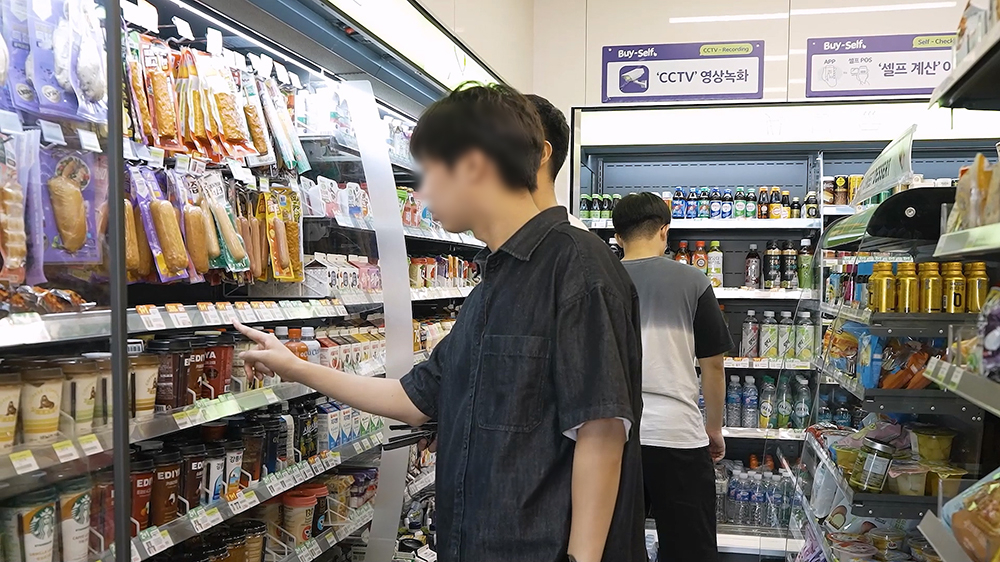
Convenience stores on university campuses are drawing attention as spaces where the consumption tendencies of Generation Z can be gauged. This is because, in addition to affordable ready-to-eat meals that help reduce price burdens, sales of recently trending products significantly exceed those at regular stores.
According to the distribution industry on the 5th, it was found that sales of ready-to-eat meals at university campus stores of major convenience store chains such as GS25, CU, 7-Eleven, and E-Mart24 are on average twice to a maximum of about 10 times higher than those at regular stores. In fact, at a GS25 store located in a university in Seoul, an average of 200 bento boxes were sold per day during the semester.
Sales performance for food items other than bento boxes is also high. At university campus stores of the four major convenience store chains, sales of noodle products such as instant ramen were found to be more than twice as high as at regular stores. Bakery items, salads, and cut fruit are also popular products, recording sales volumes two to three times higher than those at regular stores. In particular, while energy drinks sell steadily year-round, demand rises so significantly during exam periods that they rank within the top two in sales.
Not only food items, but also the sales performance of recently trending products is remarkable. Representative examples include keyrings, keycap goods, and waxpebbles, which have gained popularity among young consumers. In fact, at GS25 university campus stores, the average daily sales of these products were found to be about 17 times higher than at regular stores. At 7-Eleven university campus stores as well, sales volumes of kadaif chewy choco balls and KBO Pro Baseball collection cards were more than about 2.5 times higher than at regular stores.
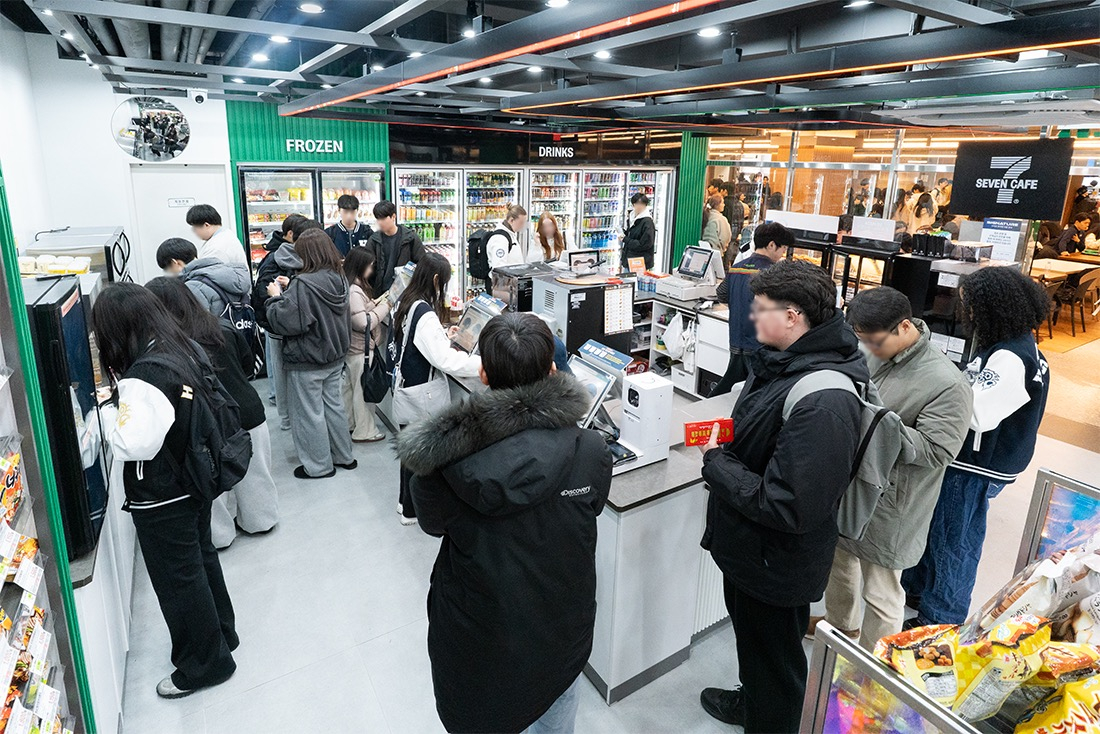
These consumption characteristics are also evident in beauty products. Amid growing interest in K-beauty, sales of beauty and apparel items at university campus convenience stores are three to 10 times higher than at regular stores.
The industry analyzes that the sales performance of university campus convenience stores simultaneously reflects Generation Z's price sensitivity and interest in trends. With high prices persisting, even meal prices at university cafeterias have approached 7,000 won, causing convenience store ready-to-eat meals, which can provide a meal for around 4,000 won, to emerge as an alternative. Along with this, high demand is also seen in non-food sectors such as recently trending goods and beauty products, revealing consumption characteristics unique to university convenience stores.
An industry official said, "Many university students have not yet begun full-time economic activities, making them price-sensitive and preferring cost-effective products." The official added, "Given their sensitivity to trends, university convenience stores can be seen as a barometer showing the trends of young consumers."

 in LIVING

